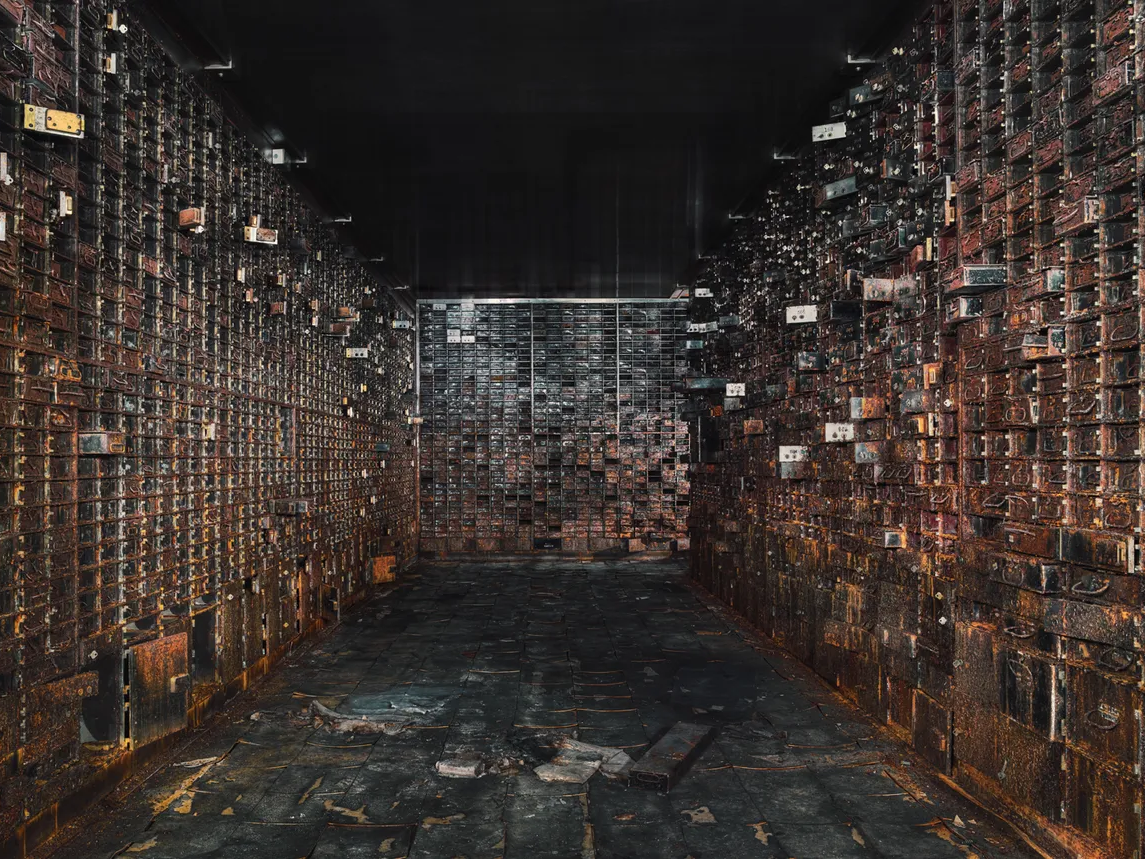
Beirut, Lebanon – 2017
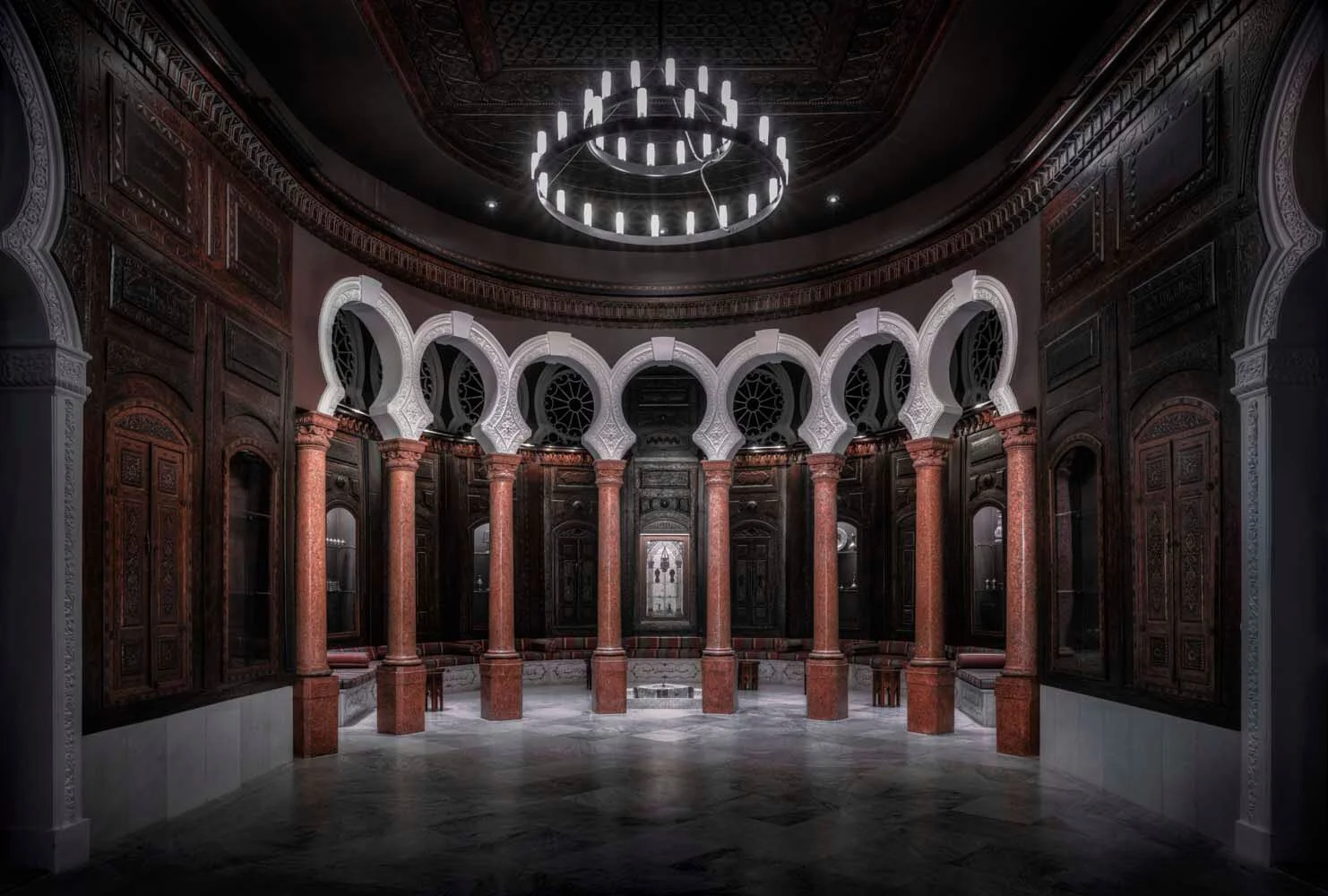
In 1912, the Lebanese aristocrat Nicolas Ibrahim Sursock built the private villa that now houses the museum. He decreed in his will that the villa be transformed into a museum. When he died in 1952, he bequeathed the villa to the city of Beirut. Between 1953 and 1957, President Camille Chamoun transformed the villa into a palais des hôtes—a presidential guesthouse designated to accommodate visiting heads of state, including the Shah of Iran and King Faisal of Iraq.
The museum opened in 1961, directed by Amine Beyhum, with an exhibit of works of contemporary Lebanese artists, setting a precedent for cultural events in Beirut.
The Sursock Museum building exemplifies Lebanese architecture, with its Italianate (specifically Venetian) and Ottoman architectural influences. It is one of the few remaining villas from its epoch in Beirut. It is located in the Rue Sursock in the Rmeil district of Beirut.
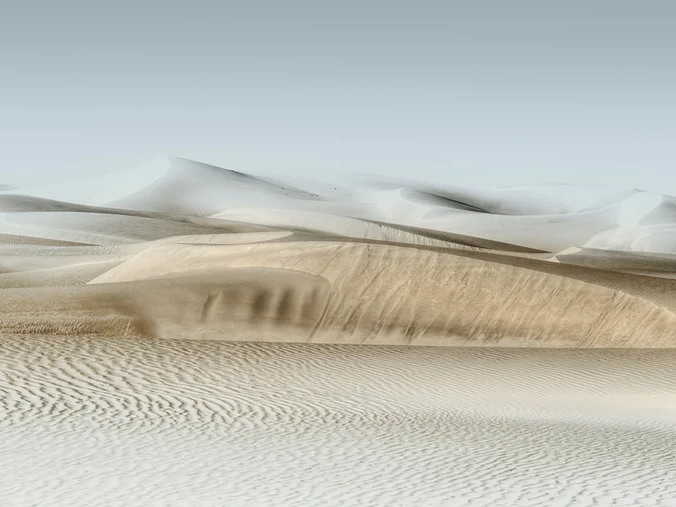
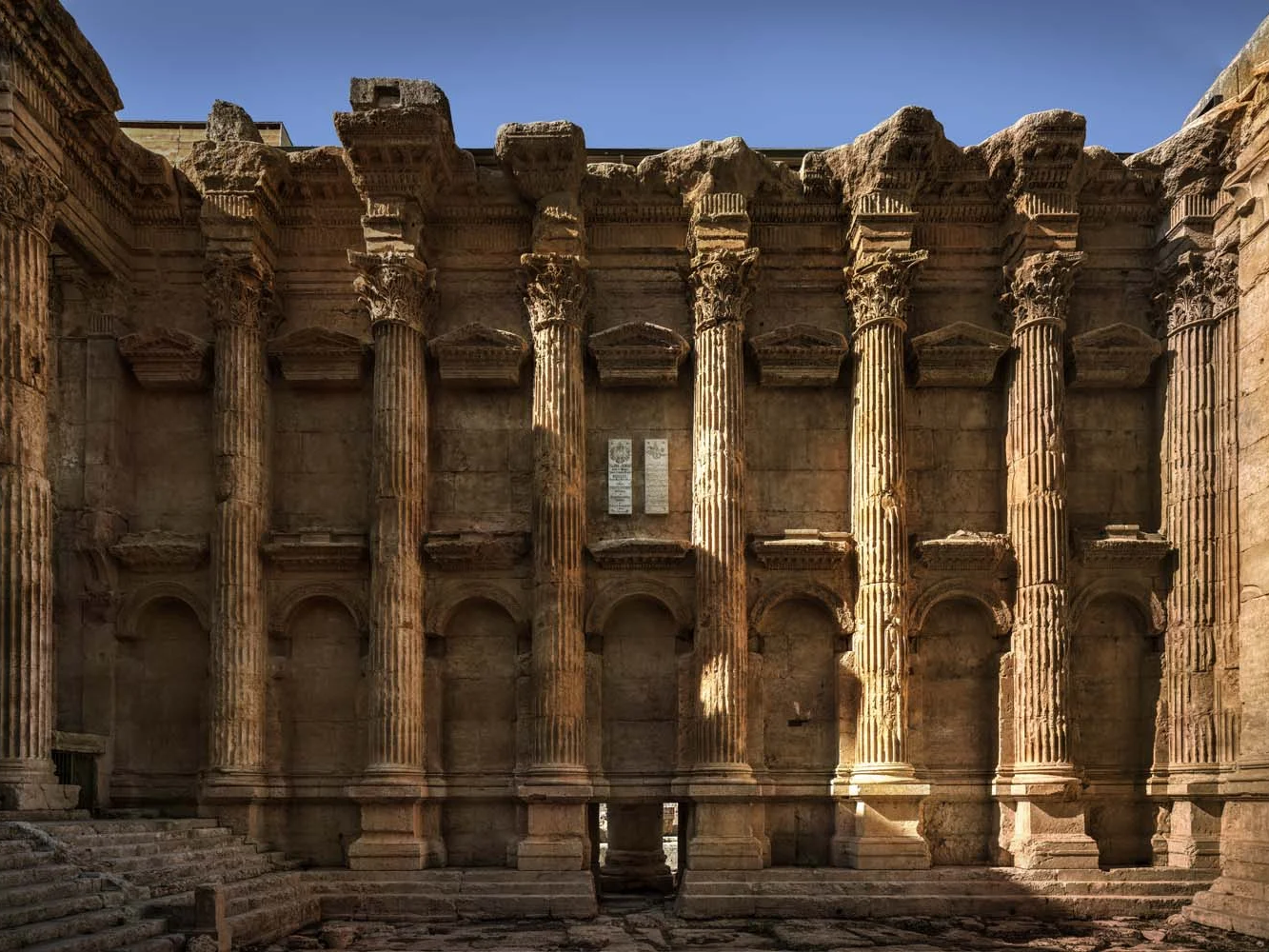
Lightjet Exposure on High Glossy Paper, Alu Dibond | Distance Frame, Tulipwood, Lacquered Matt Black, Museum Glass
- Framed Size: 52.8" x 78.8" in (134 x 200 cm) - Edition of 12
We ship worldwide and use a multitude of providers to safely deliver your artwork. Domestic delivery and installation may also be available via Hilton Contemporary’s private art shuttle. Please inquire.