
David Gamble
David Gamble (b. 1953) is a British-American photographer, painter, and multimedia artist who first made his name shooting editorial portraits for titles such as Life, Time, The Observer, The Independent, The New Yorker and others throughout the 1980s-90s. Read full biography ↓
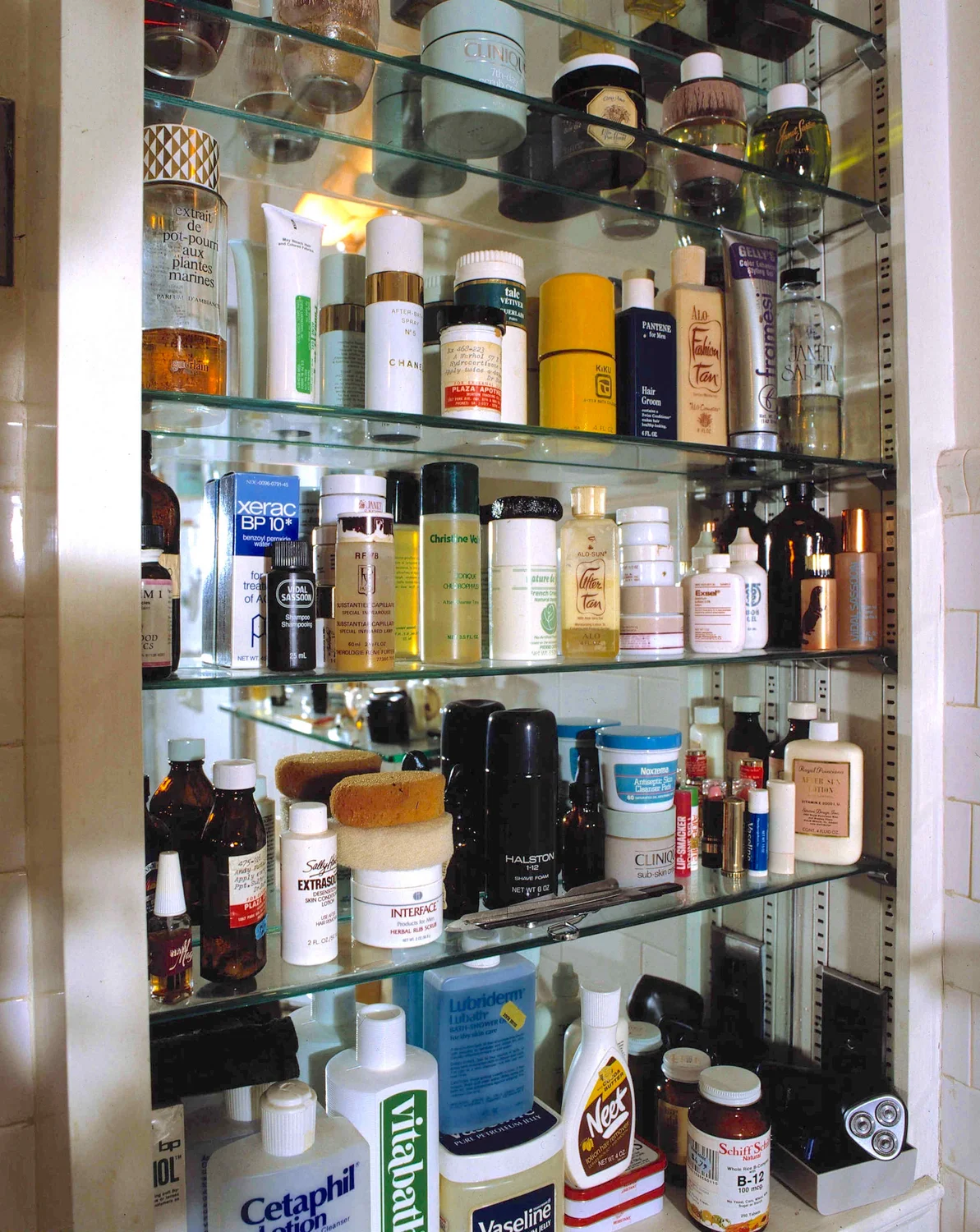 Andy Warhol’s Medicine Cabinet
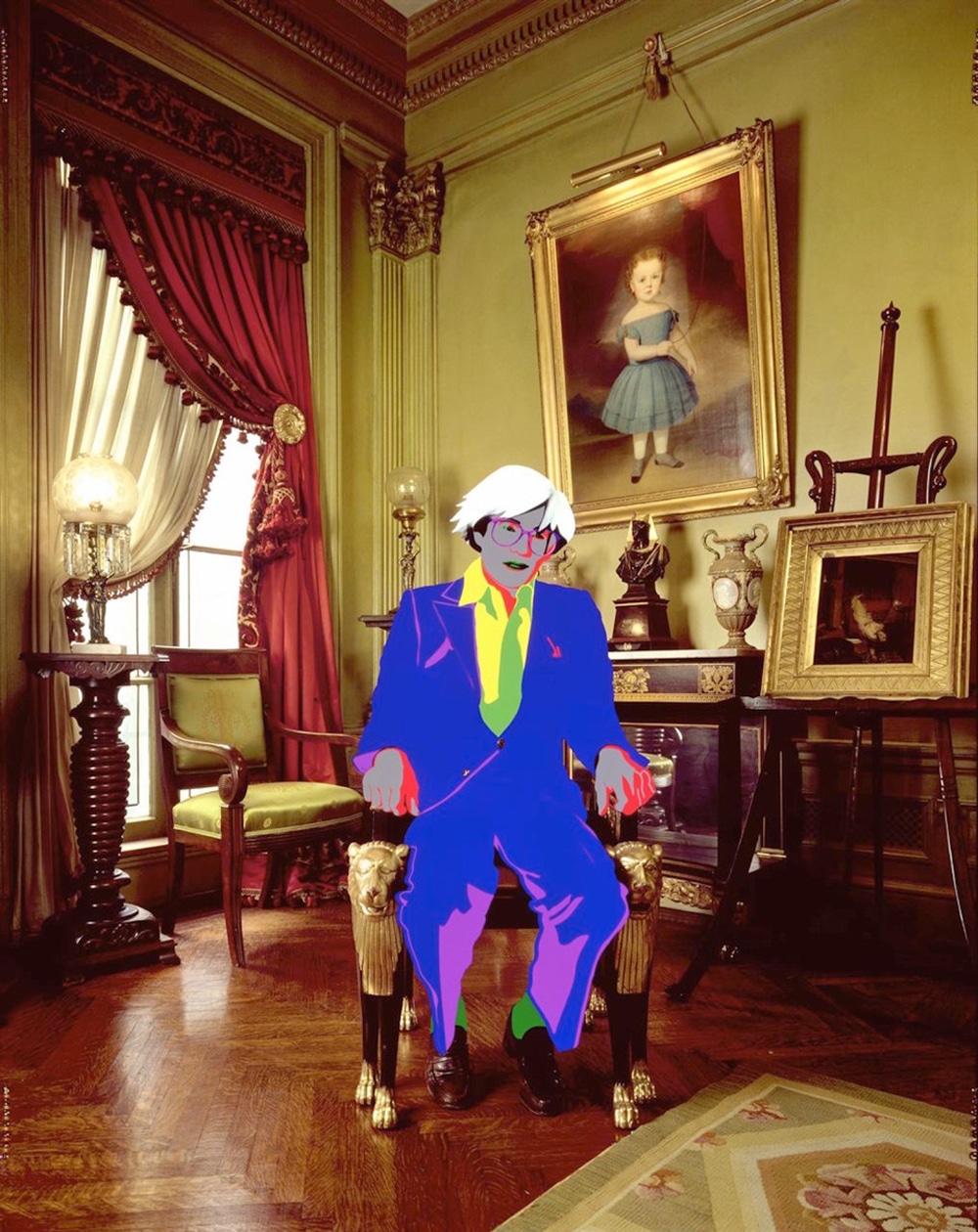 Andy Warhol’s Parlor
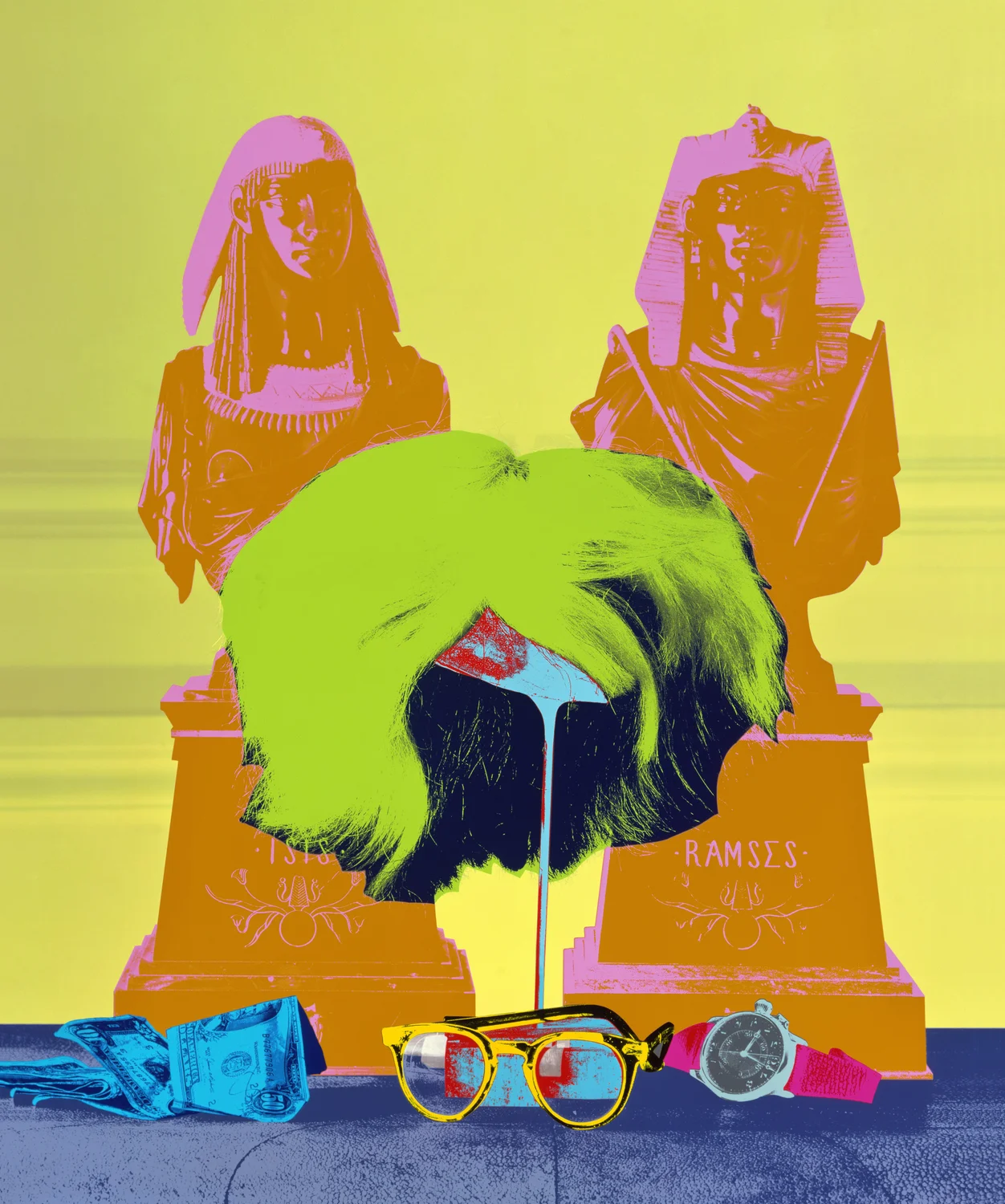 Andy Warhol’s Wig, Glasses & Money – Yellow
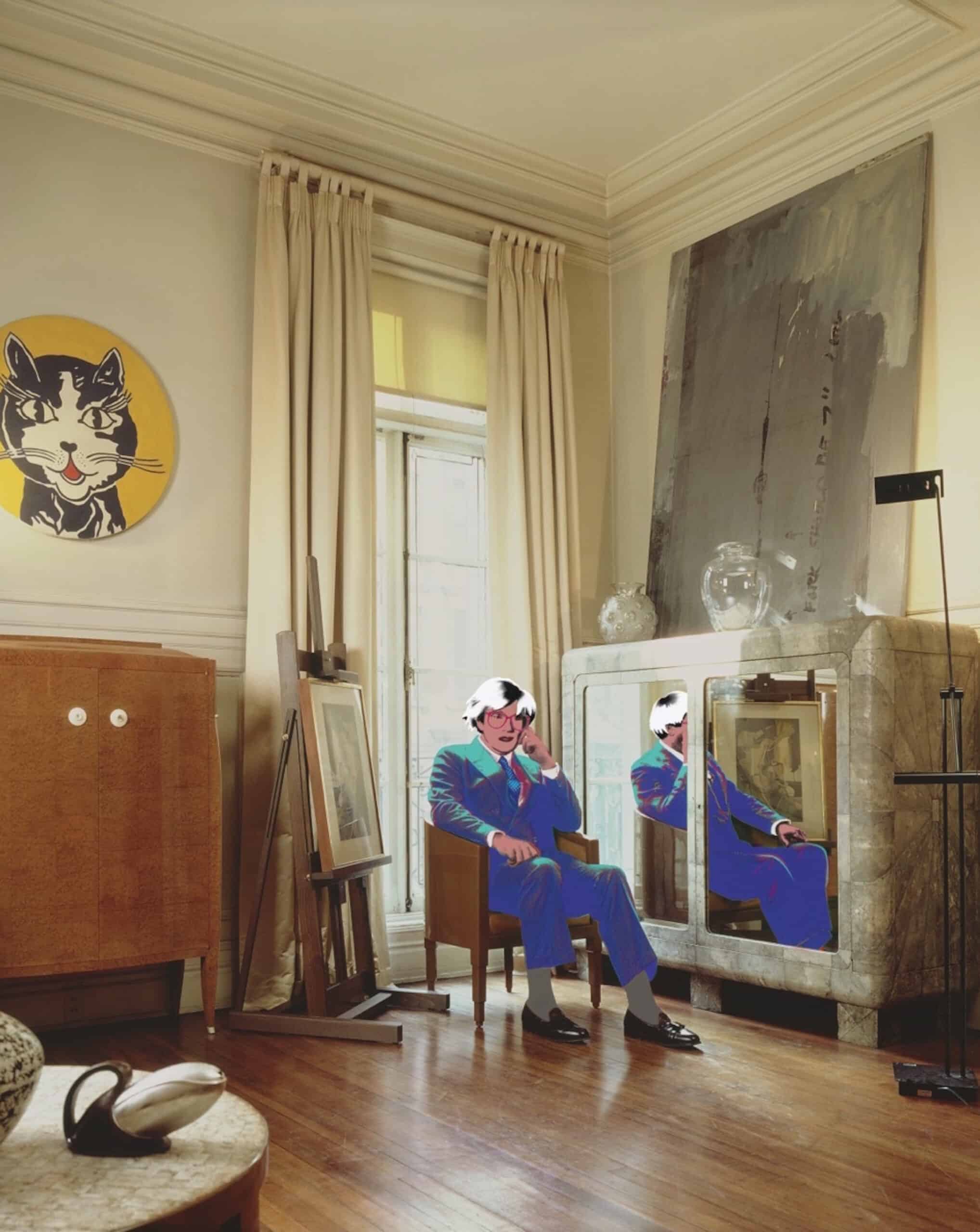 Andy Warhol’s Living Room – Blue
 Andy Warhol’s Living Room – Green
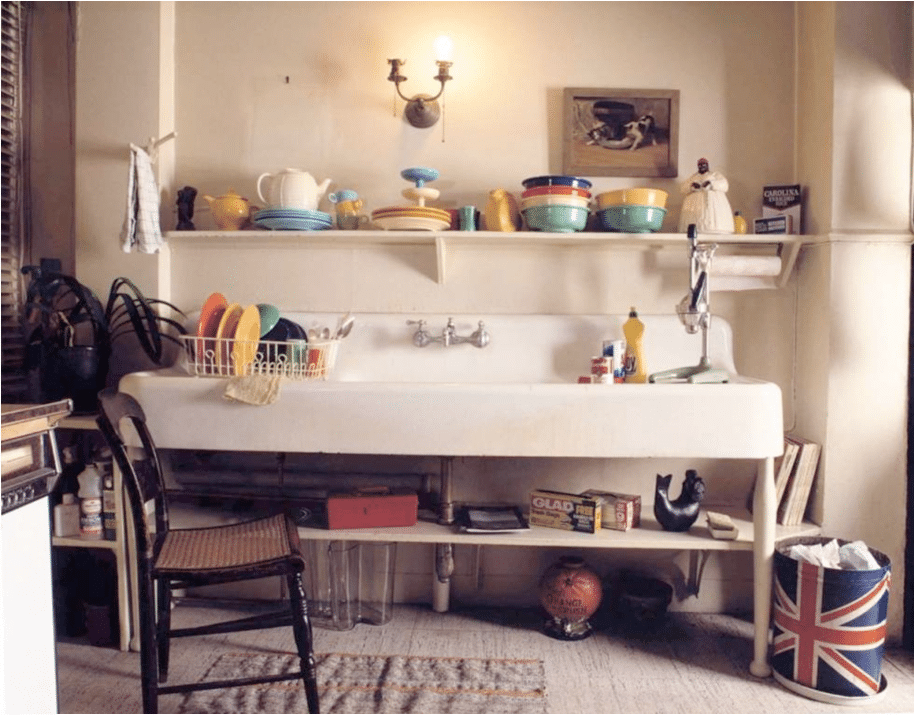 Andy Warhol’s Kitchen
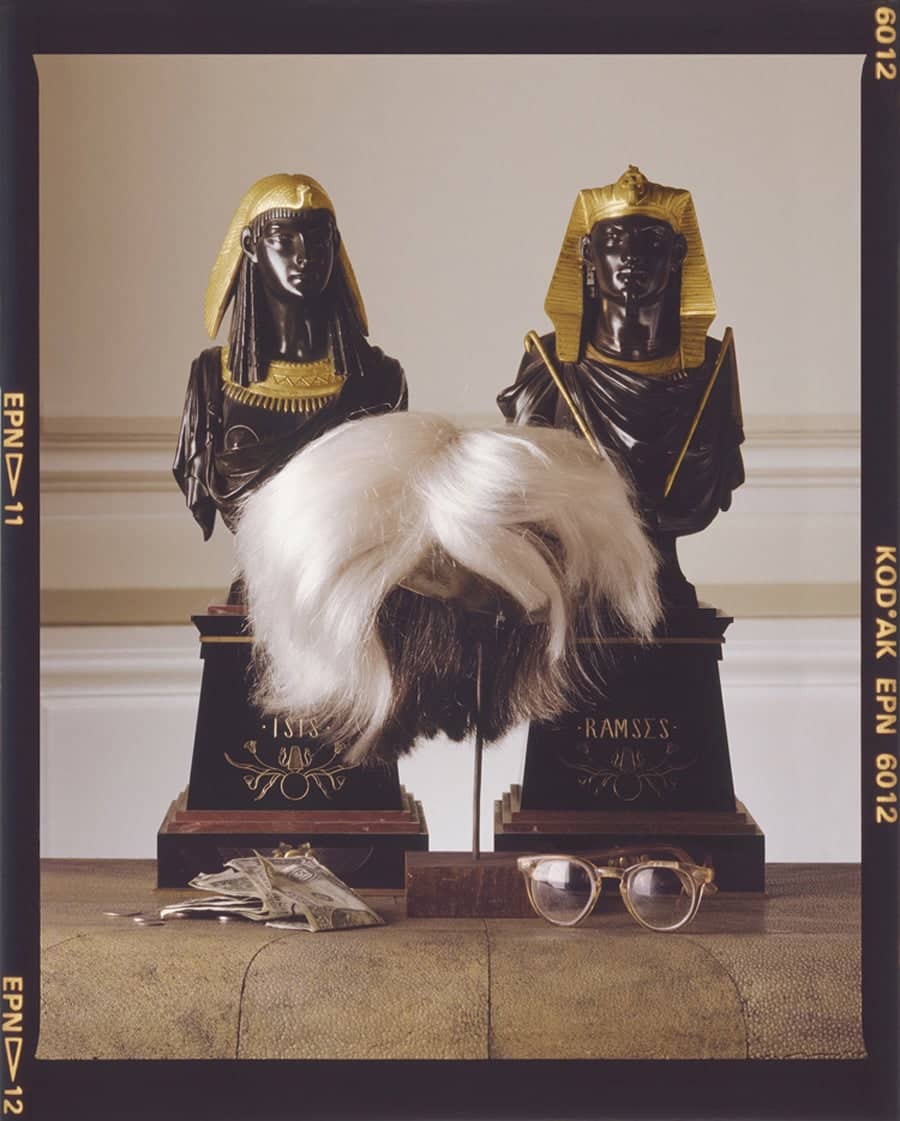 Andy Warhol’s Wig, Glasses, and Money
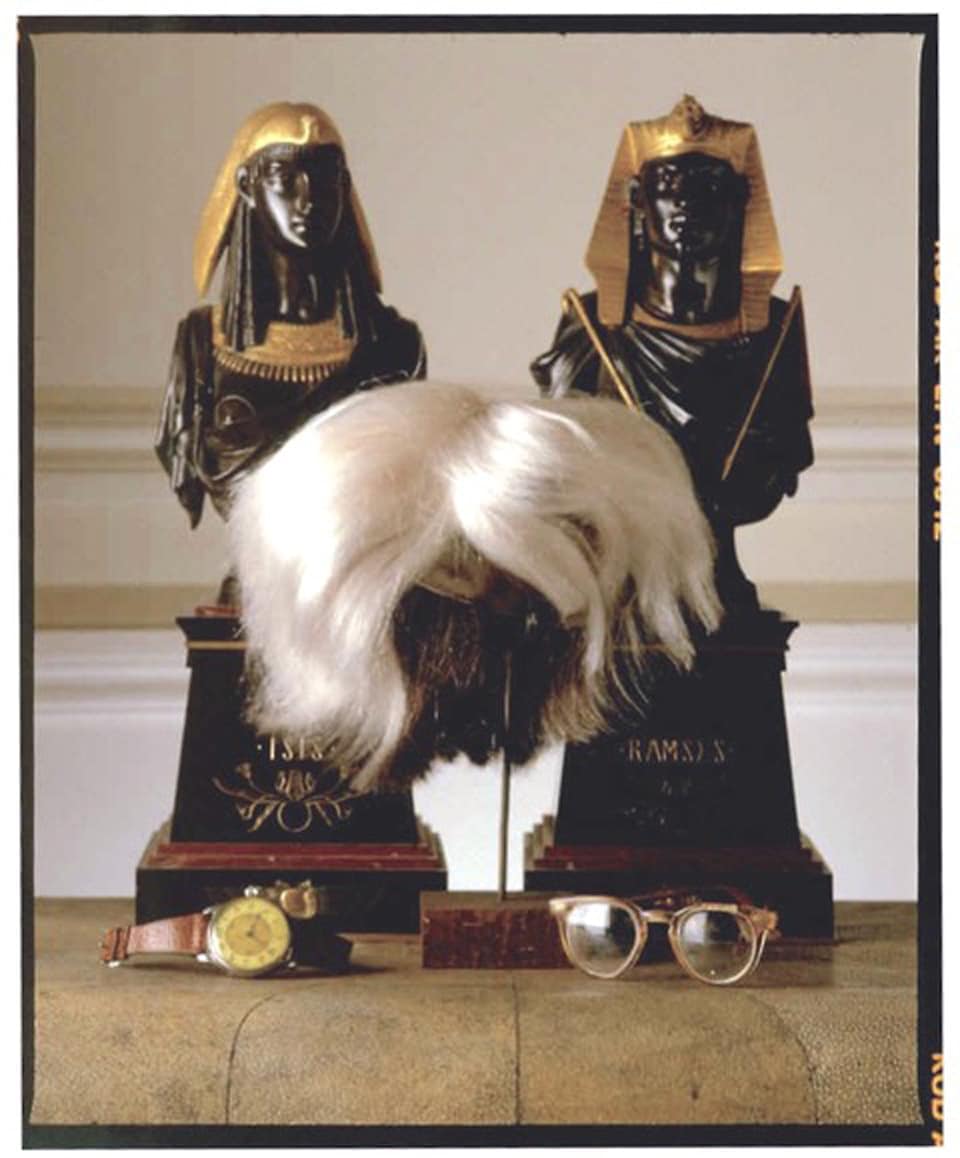 Andy Warhol’s Wig, Glasses, and Watch
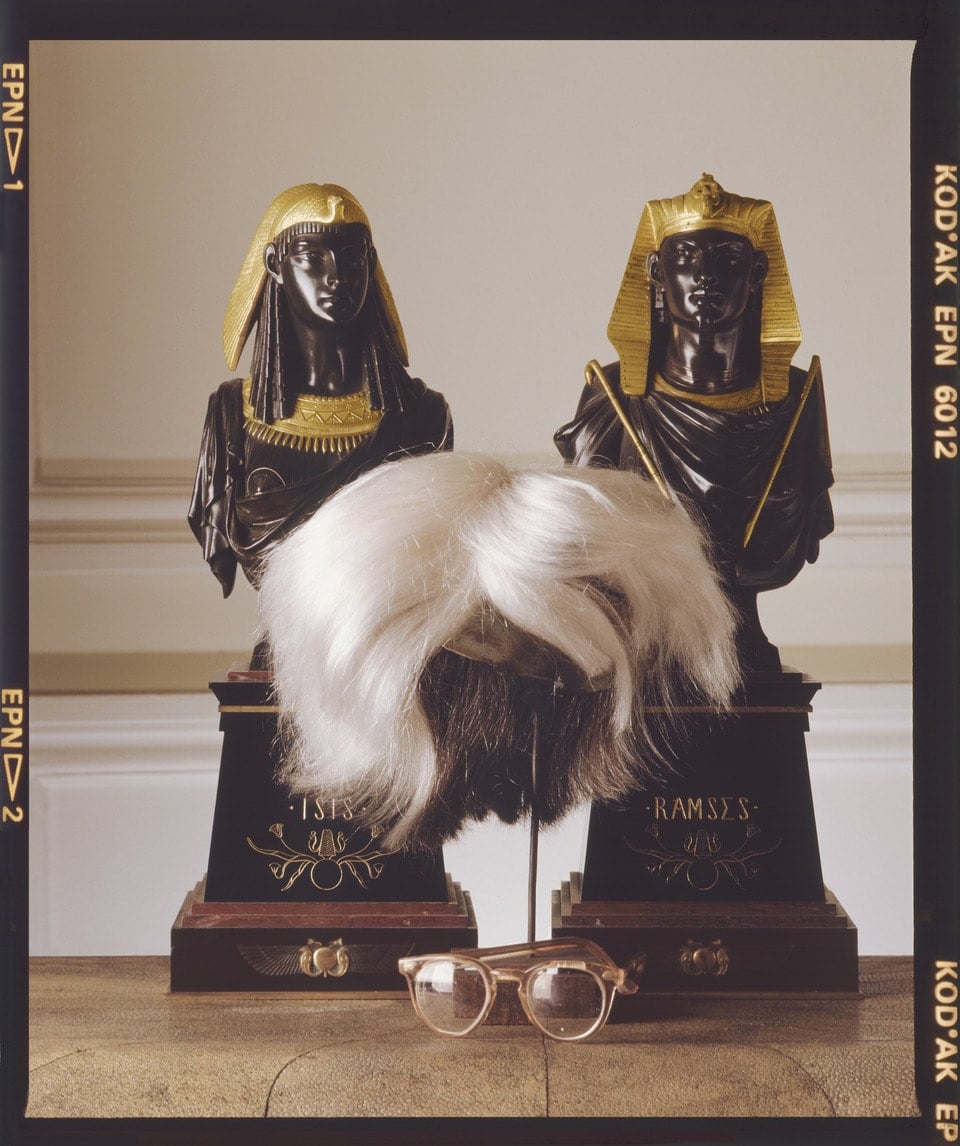 Andy Warhol’s Wig and Glasses
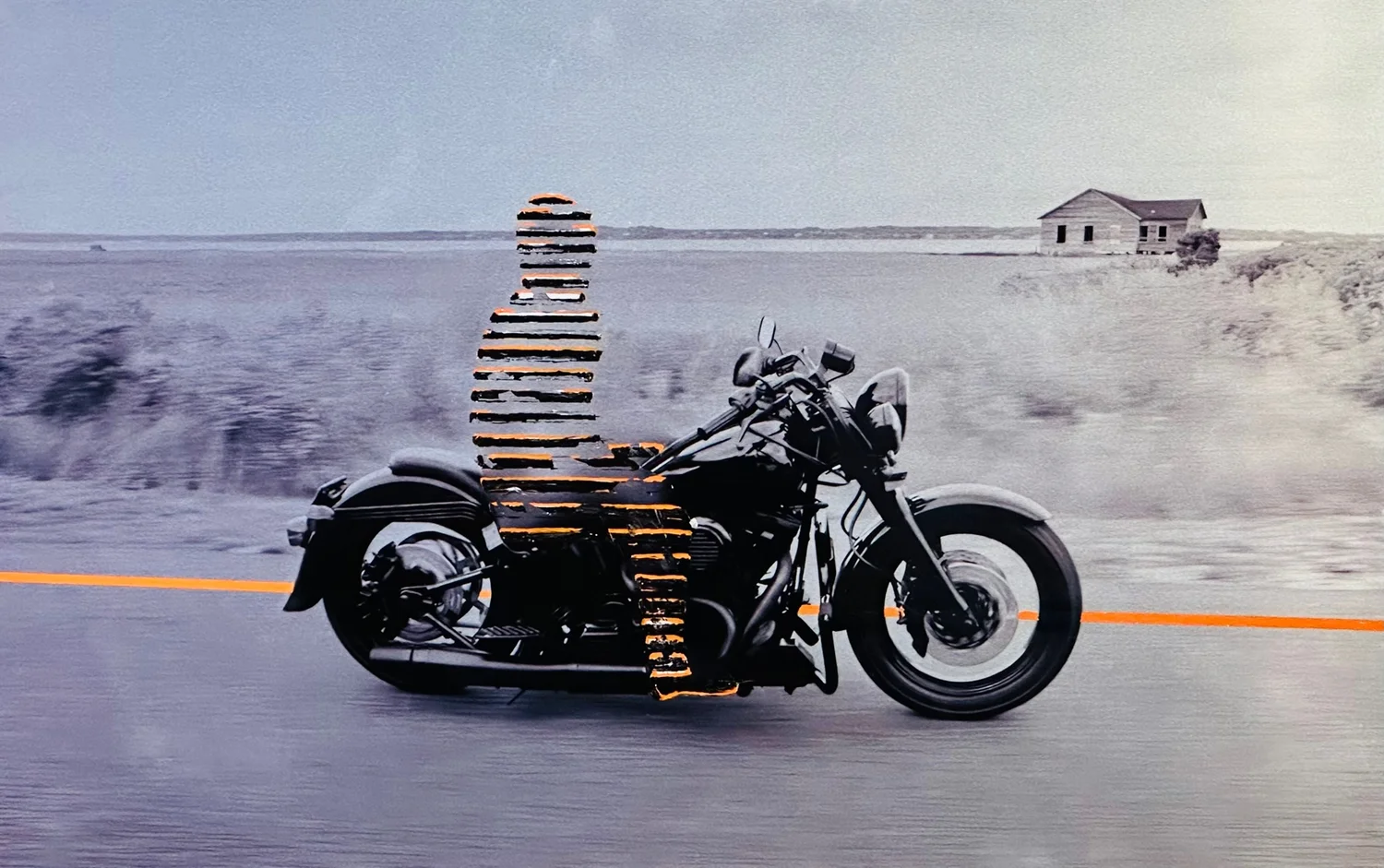 Harley in the Hamptons
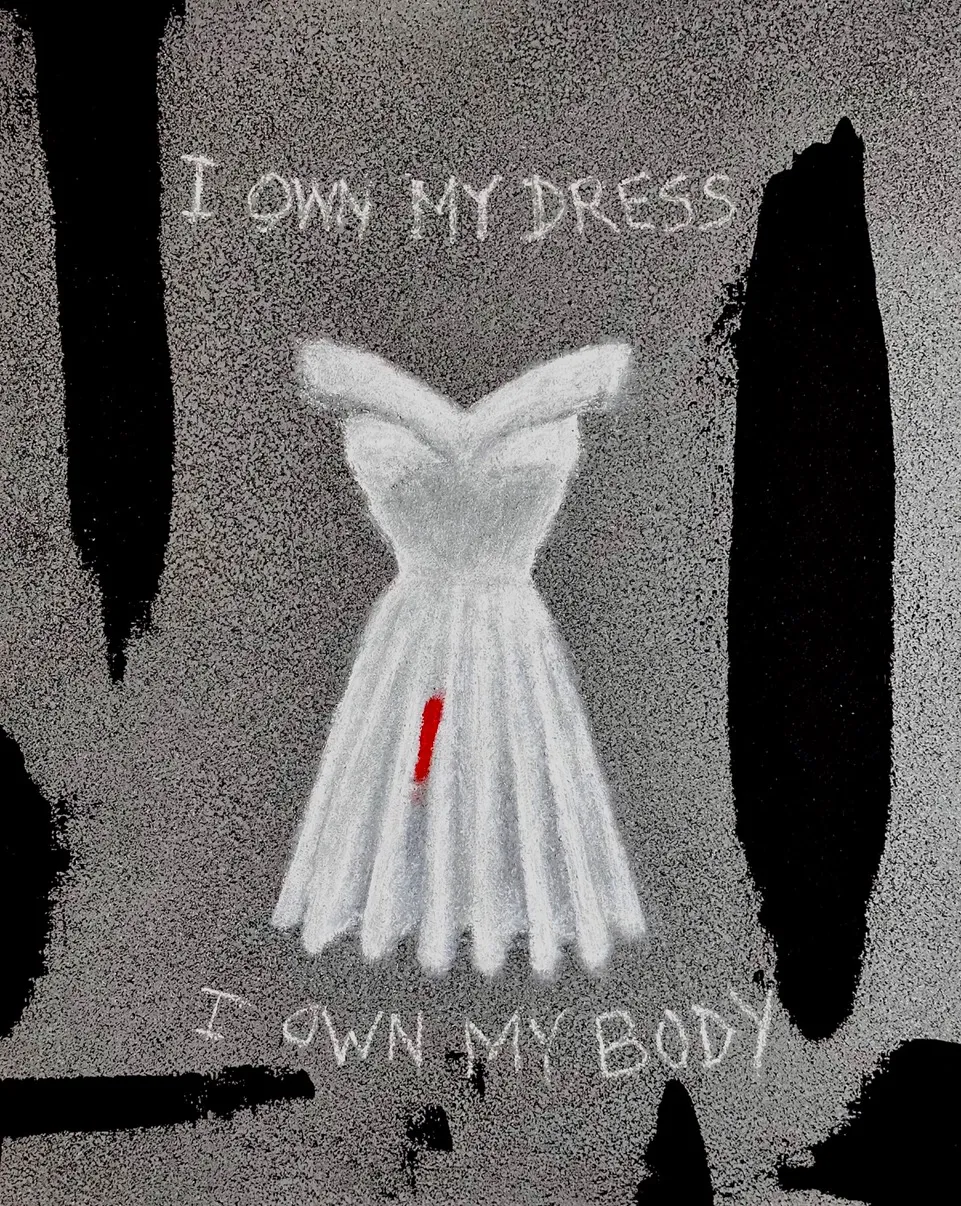 I Own My Dress
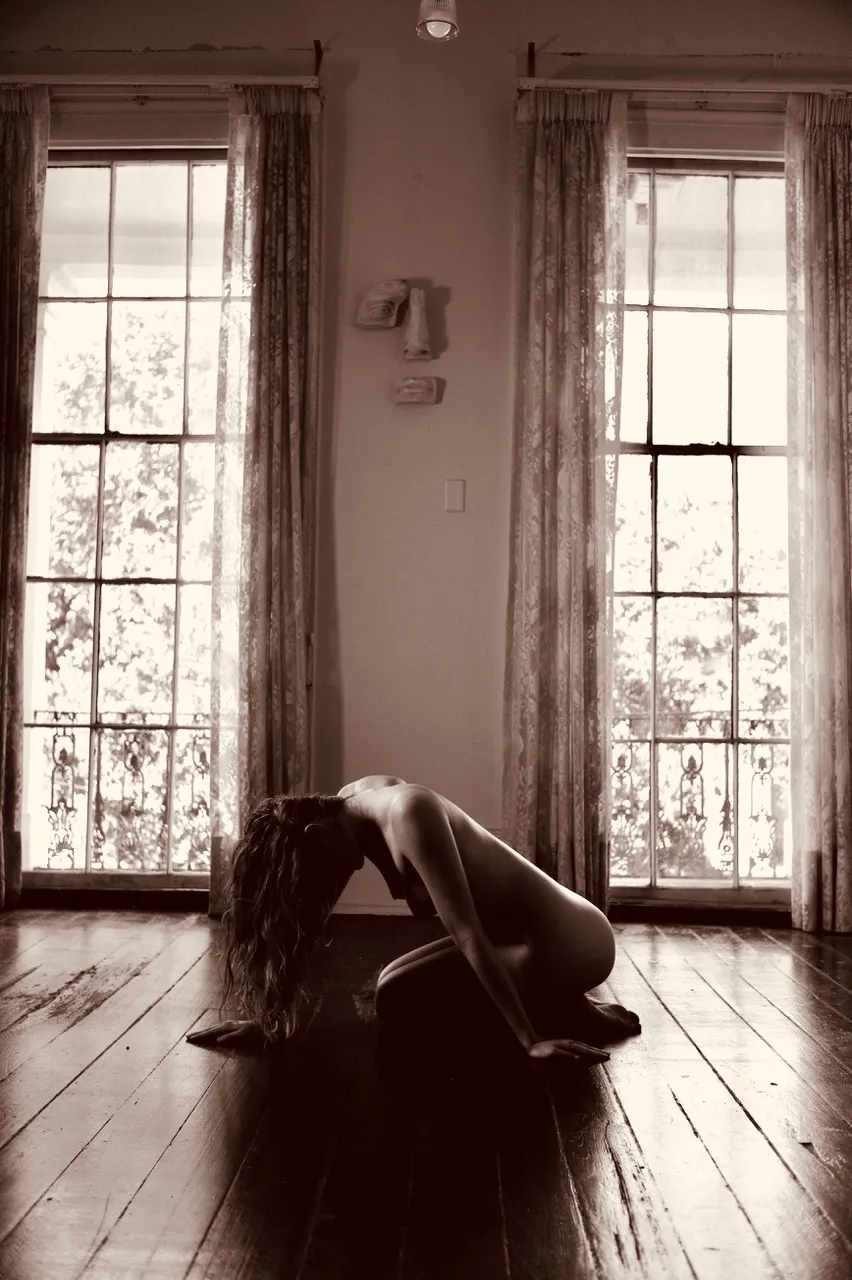 Nude on Floor
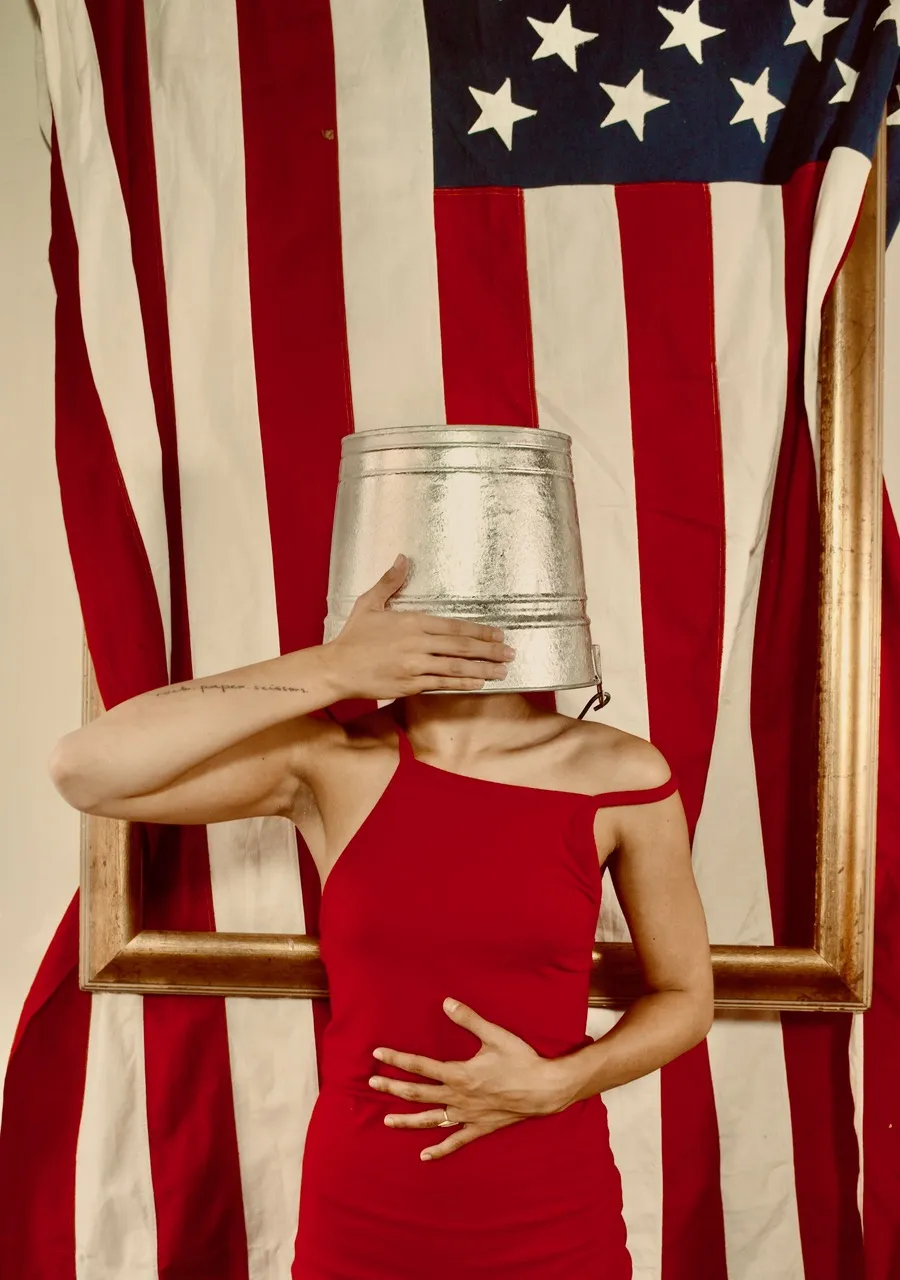 Paper, Scissors, Rock
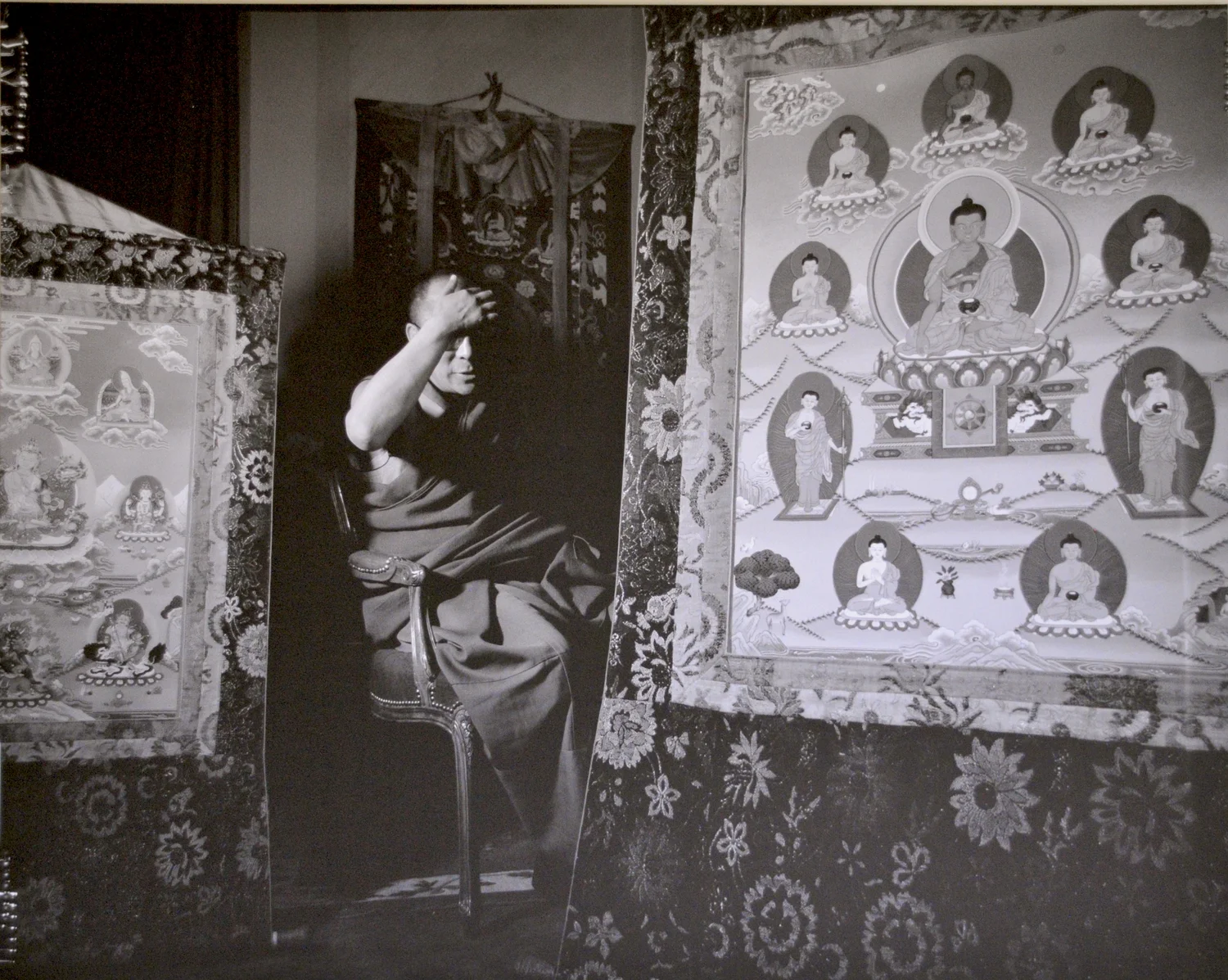 Dalai Lama
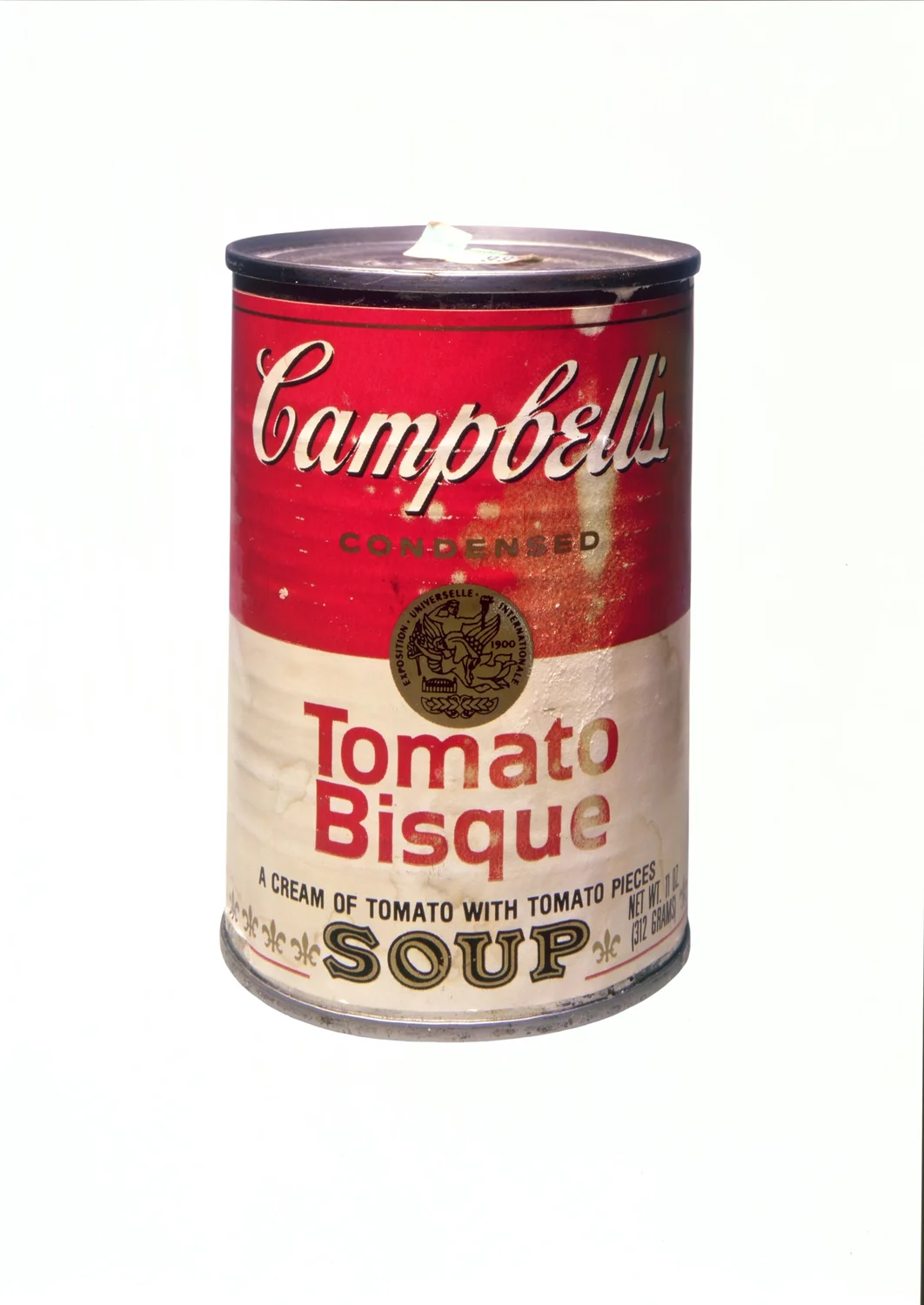 10yrs Corruption of Art inside a Can
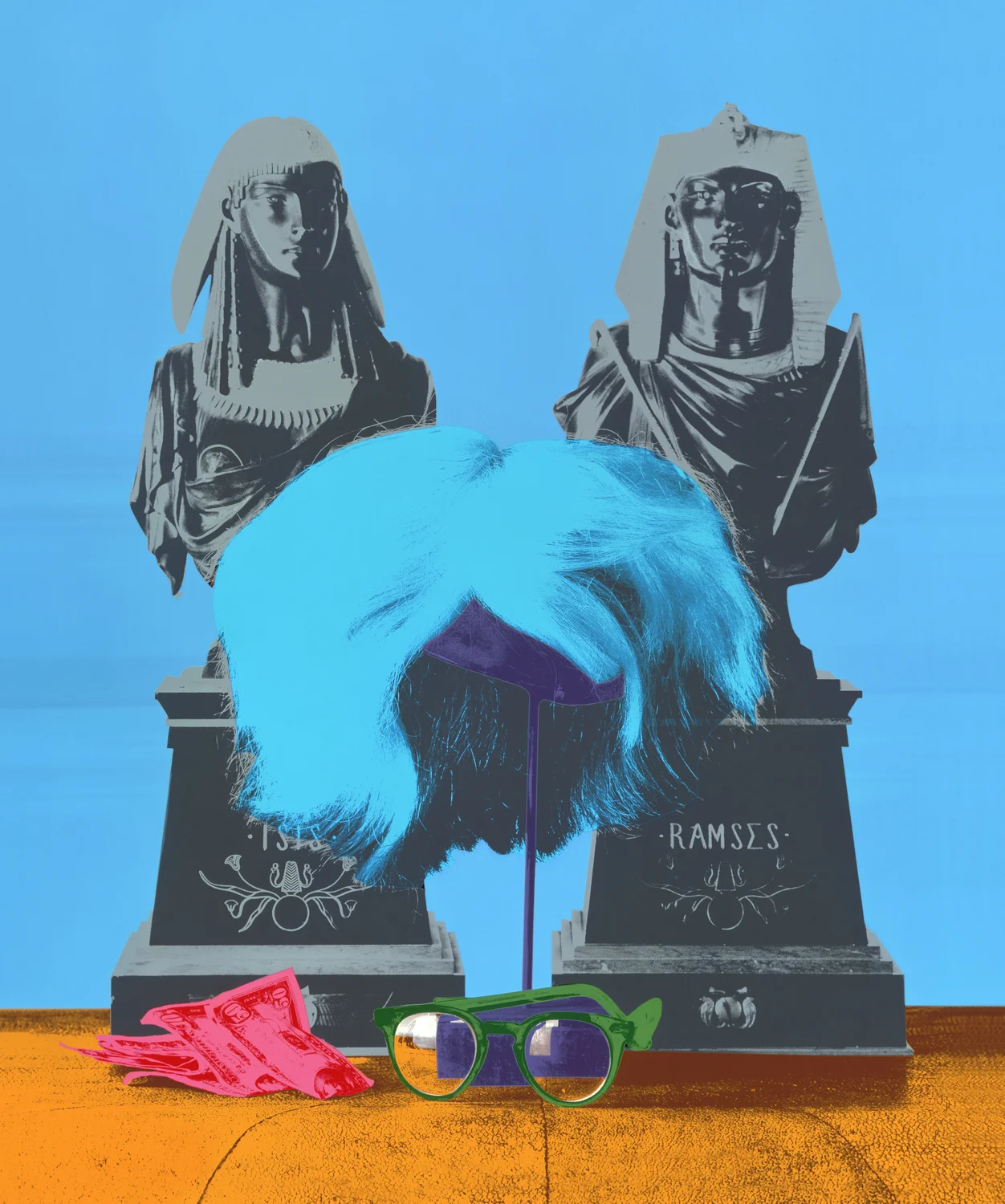 Andy Warhol’s Wig, Glasses & Money – Blue
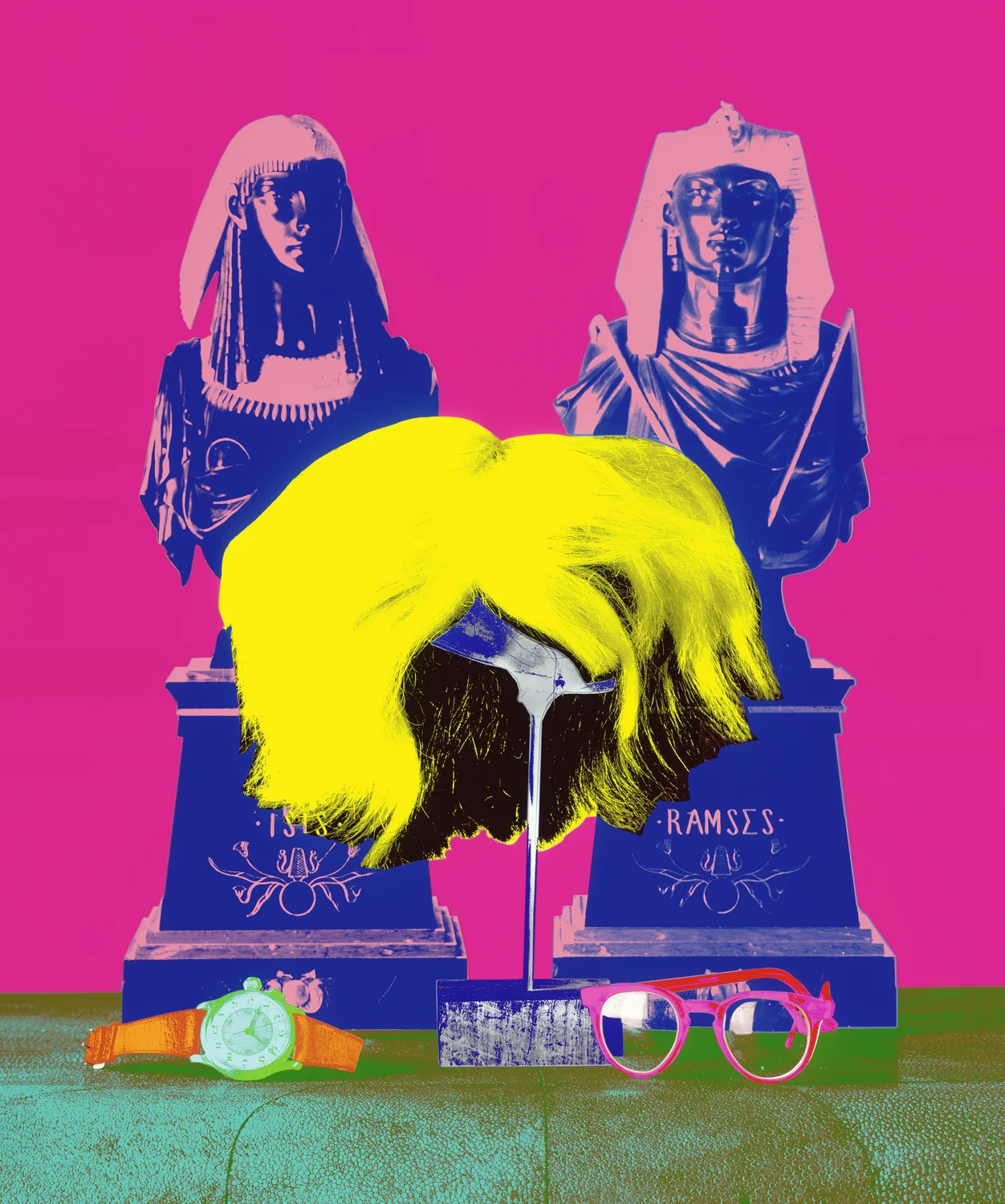 Andy Warhol’s Wig, Glasses & Money – Pink
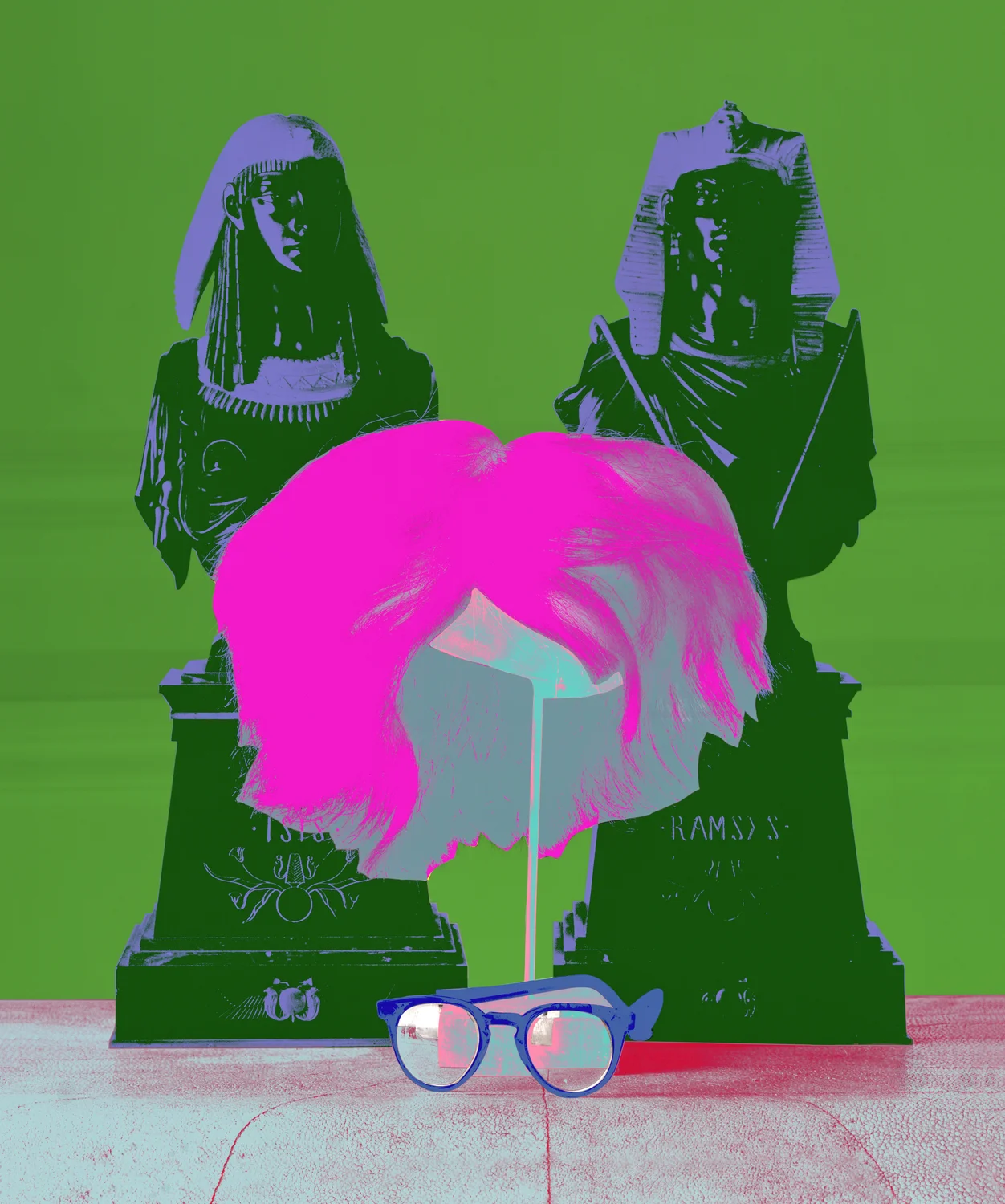 Andy Warhol’s Wig, Glasses & Money – Green
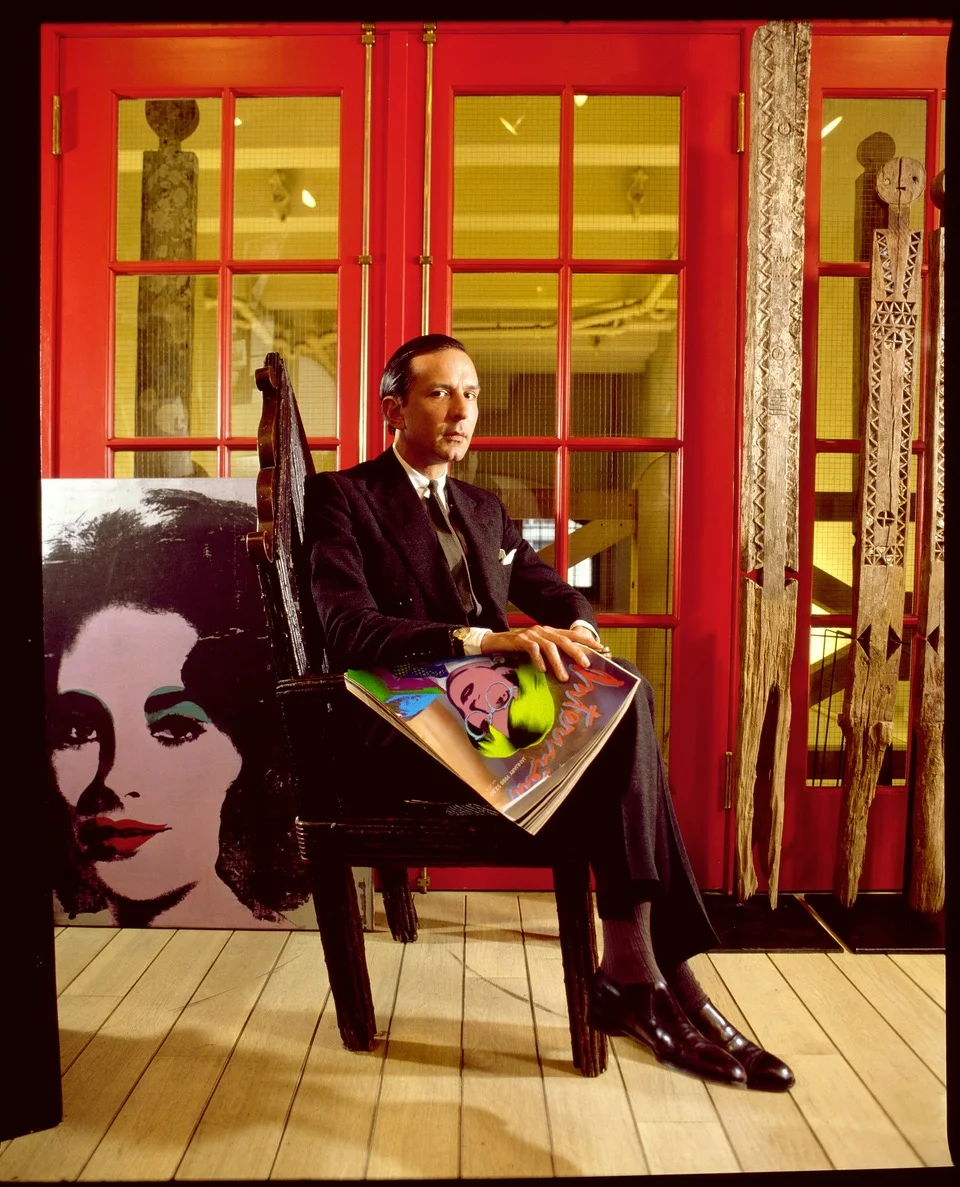 Fred Hughes in Andy Warhol’s Factory
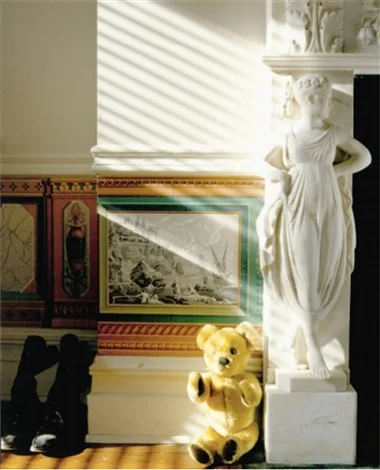 Andy Warhol’s Teddy Bear and Cowboy Boots
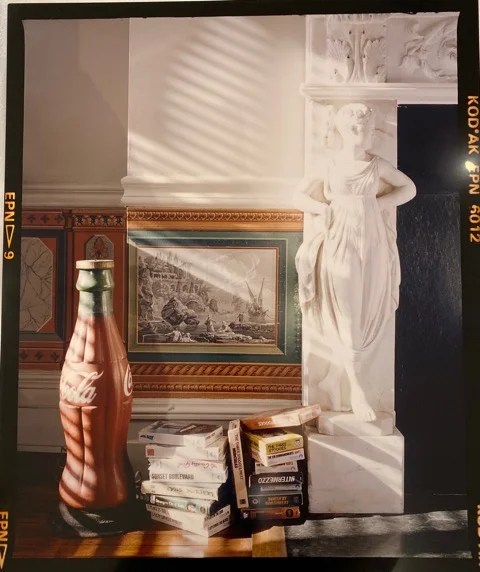 Andy Warhol’s Coke Bottle and VHS Tapes, In Bedroom
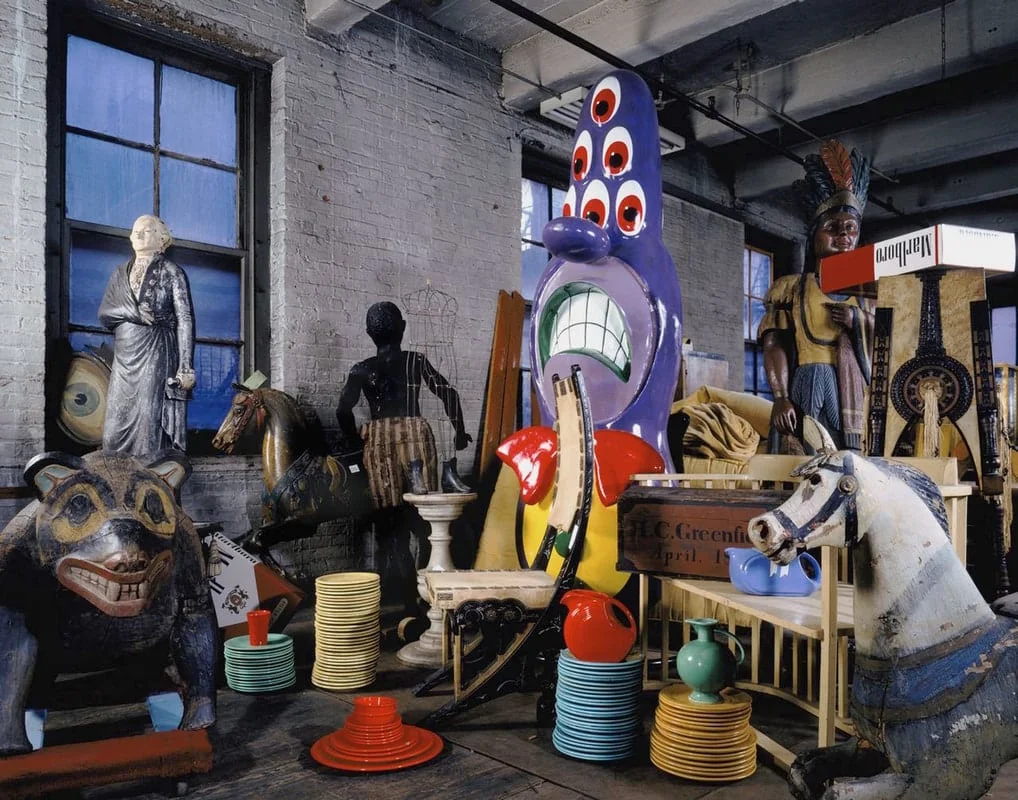 Andy Warhol’s Warehouse
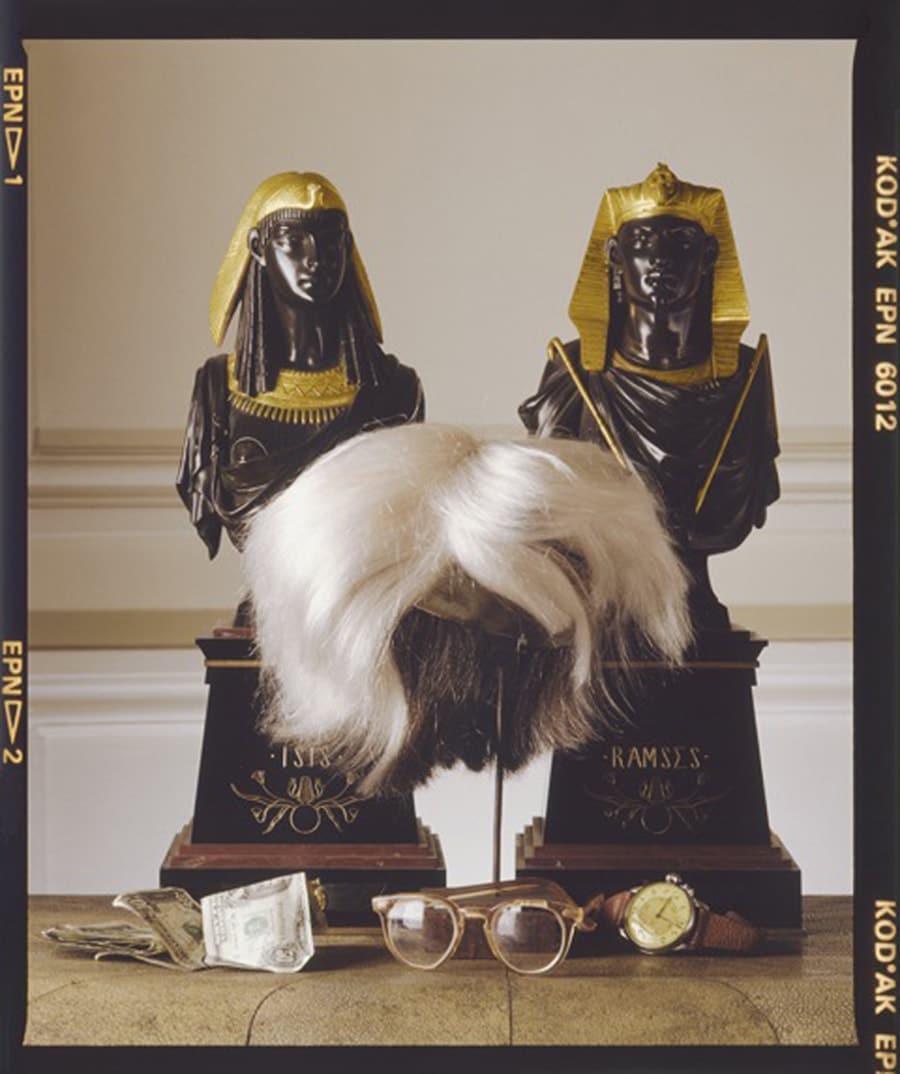 Andy Warhol’s Wig, Glasses, Watch & Money
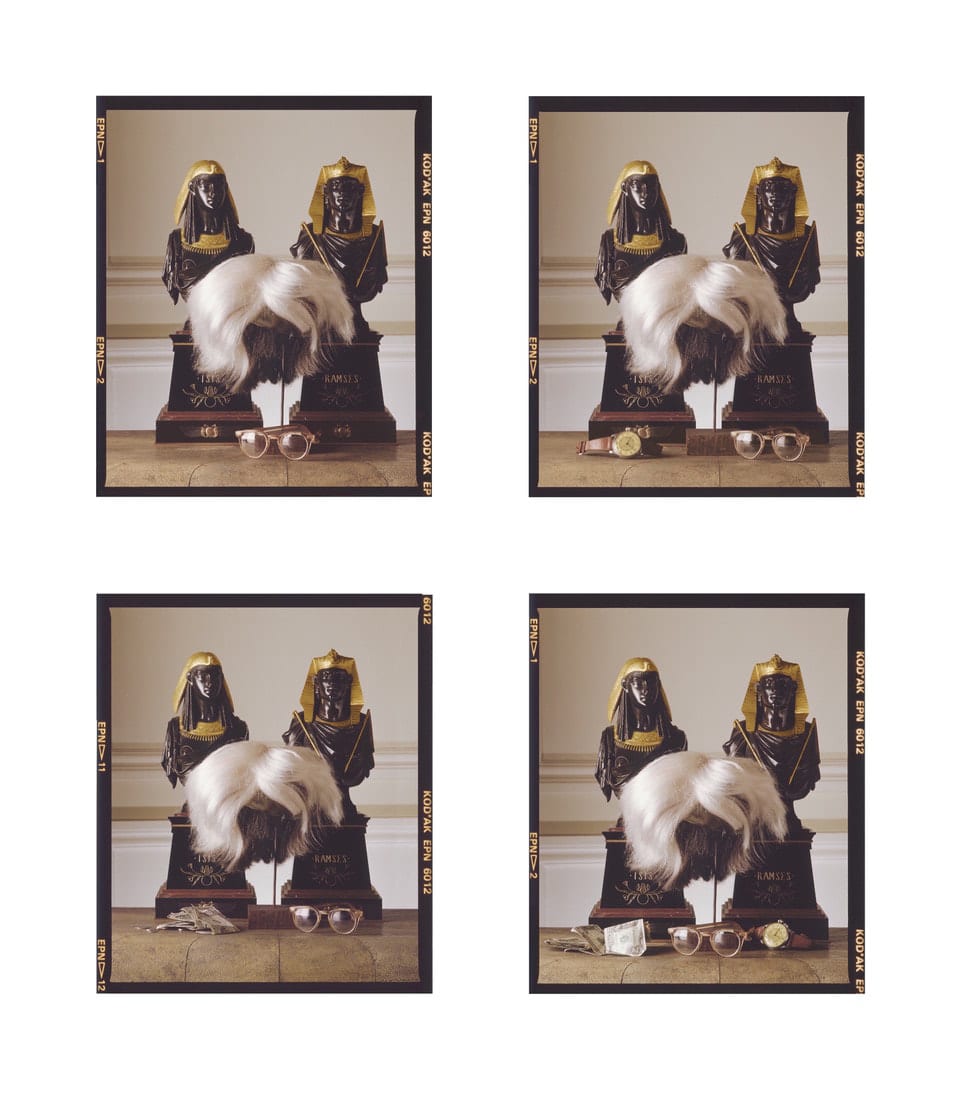 Andy Warhol’s Wig
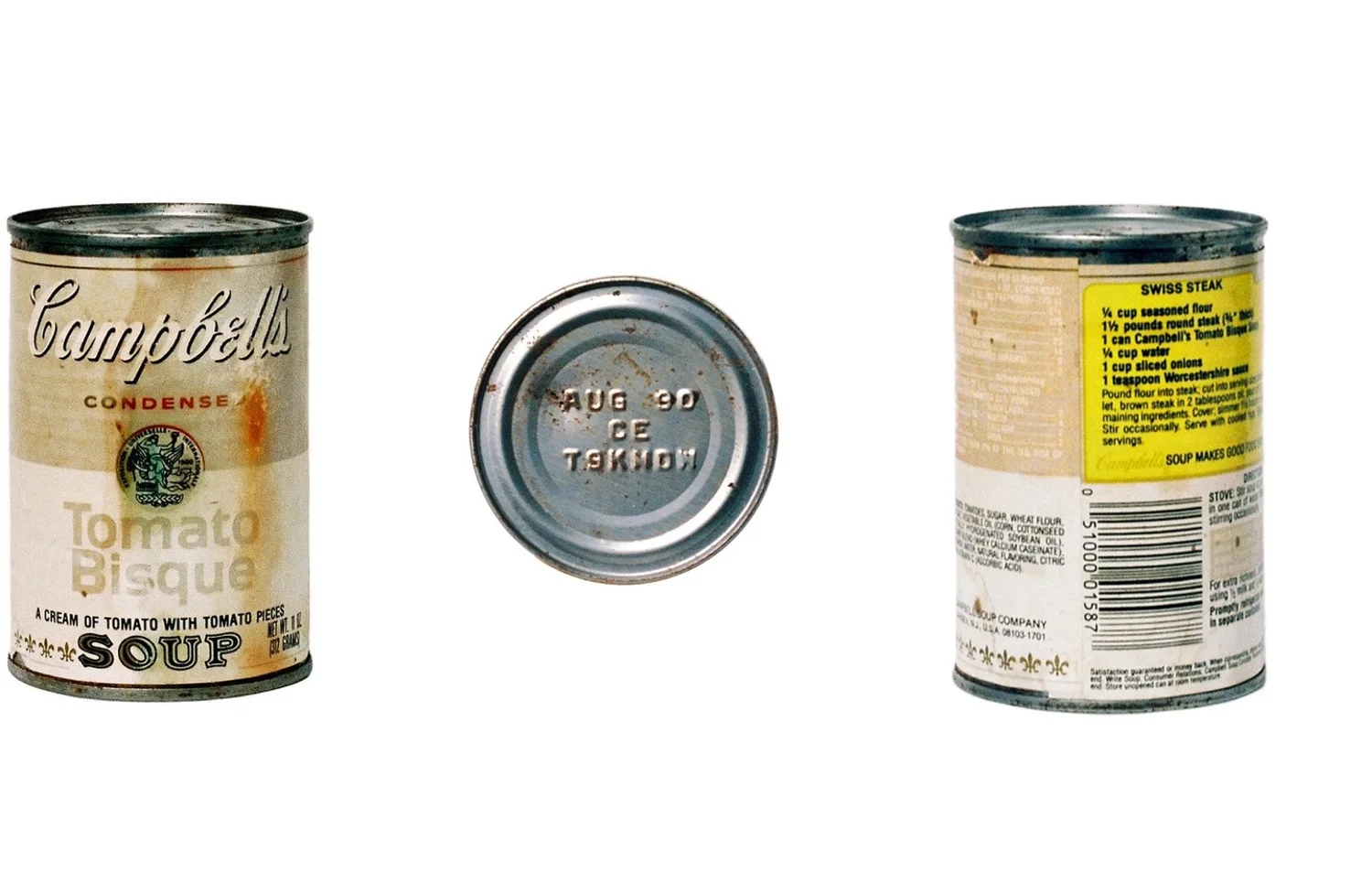 30yrs The Death of Art inside a Can
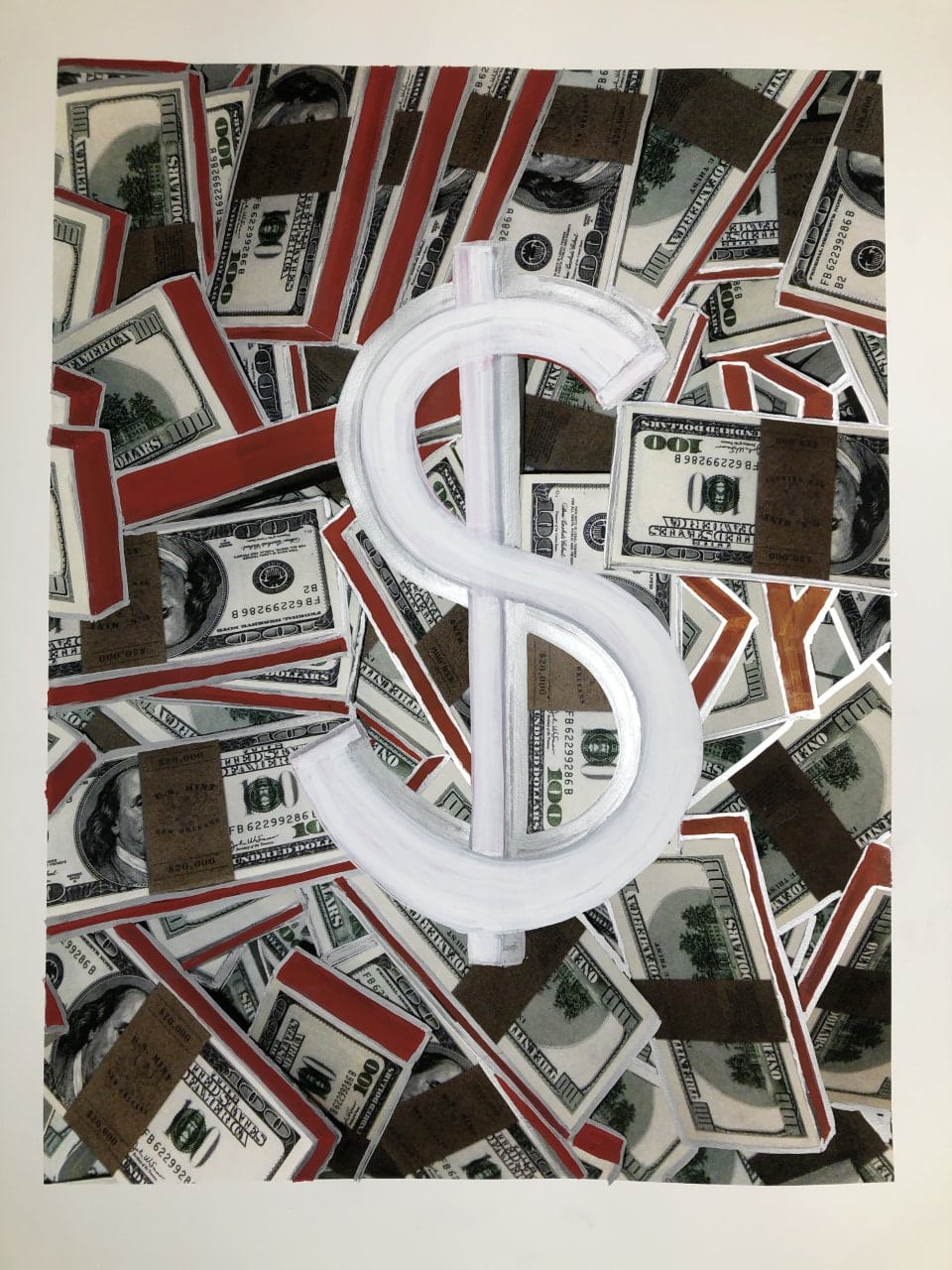 The dollar sign and money
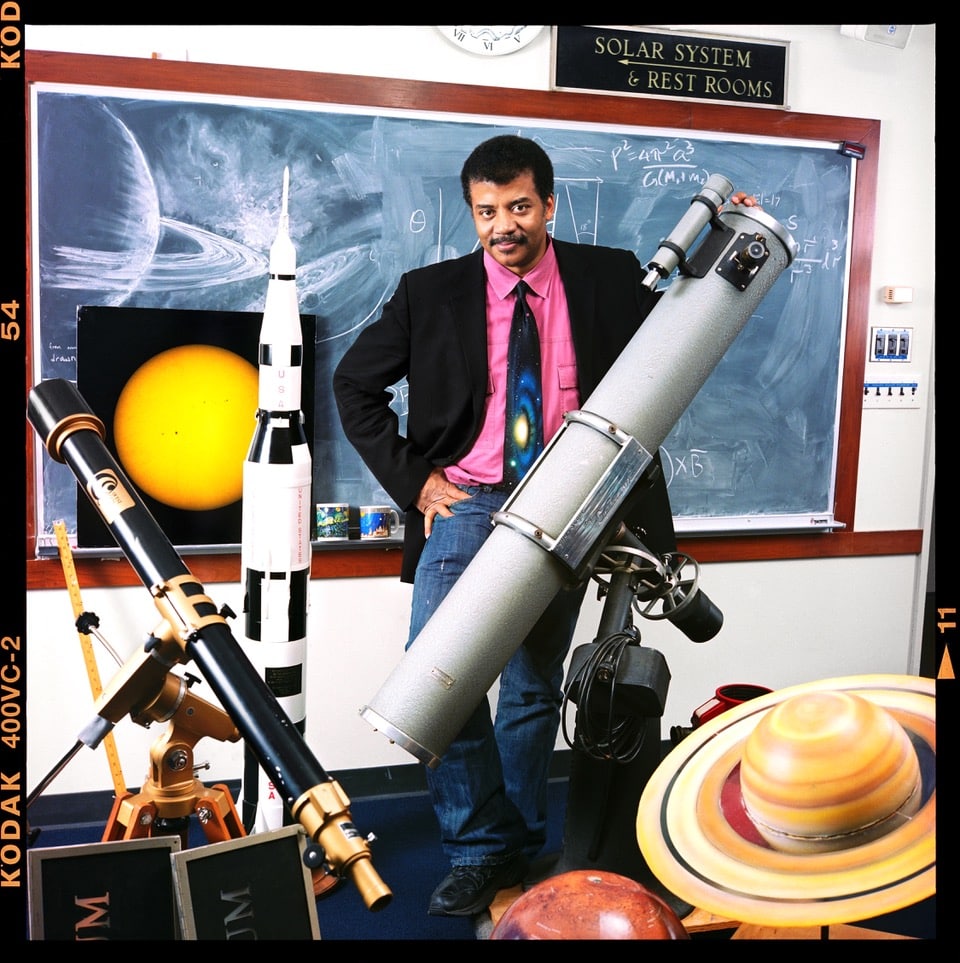 Neil Degrasse Tyson
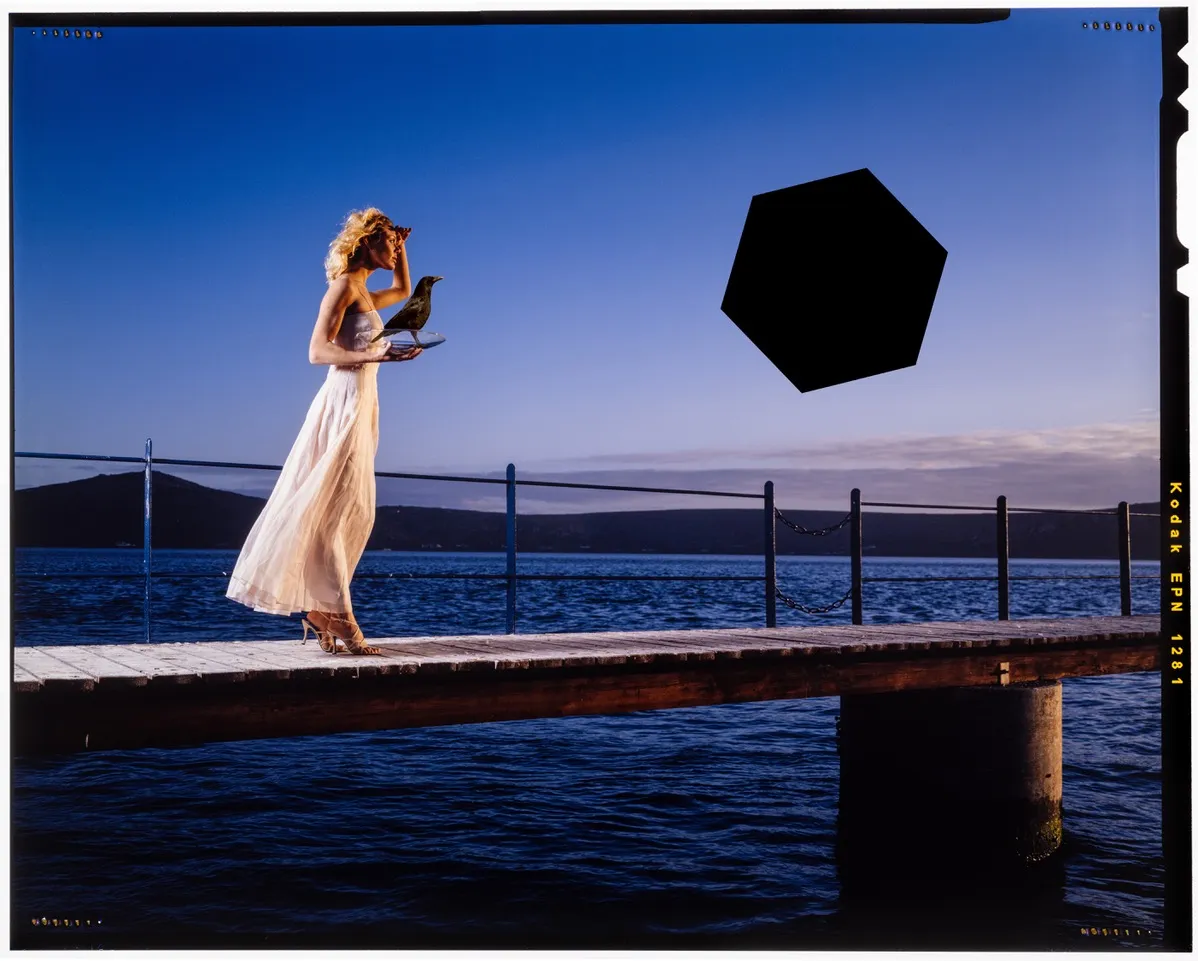 The Black Crow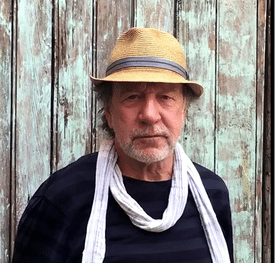
David Gamble (b. 1953) is a British-American photographer, painter, and multimedia artist who first made his name shooting editorial portraits for titles such as Life, Time, The Observer, The Independent, The New Yorker and others throughout the 1980s-90s. Six of those portraits—including his celebrated Time-commissioned image of Stephen Hawking—sit in London’s National Portrait Gallery, while a portrait of Neil deGrasse Tyson is held by the Smithsonian’s National Portrait Gallery in Washington, DC. Signature projects & milestones
- Andy Warhol’s House (1987-88). Days after Warhol died, Sotheby’s gave Gamble eight days’ access to photograph the pop- artist’s East 66th-Street home. The resulting series—particularly the voyeuristic shot of Warhol’s over-stuffed medicine cabinet—became iconic, toured internationally and still commands high prices at auction.
- Awards. He won the inaugural Kodak European Award for Best Photographer (1987) and took a World Press Photo prize in 1988 for the Hawking portrait.
- Books & collaborations. With writer Will Self he published Perfidious Man (2000), an irreverent photo-essay on modern masculinity. Later, he helped Neil deGrasse Tyson create the science- talk show StarTalk.
Current Practice
Now based in New Orleans, Gamble splits time between photography, large-format paintings, short experimental films (e.g., the 16 mm piece “Esplanade”, 2019) and mixed-media works that overlay bold Pop colors onto archival photographs—echoes of the neon silhouettes you see in several Warhol-house images.
Visual & thematic style, Painting and Photographic mainly analogue Across media, Gamble gravitates to: Multi-visual ideas and Avant Garde Film Making Concentrates on Figurative and Abstraction, What it looks like Why it matters Hyper-detailed color work Strong, saturated hues; pristine lighting that makes surfaces gleam (think Warhol’s mirrored cabinet shelves). Heightens the feeling of voyeuristic “peeking” into private spaces.
Conceptual overlays Digital or painted silhouettes layered onto interiors to suggest memory or haunting presence (e.g., Warhol’s living-room ghosts). Blurs documentary and fiction, inviting viewers to consider how images construct celebrity. Editorial precision Carefully staged yet natural-feeling portraiture that foregrounds intellect—blackboards behind Hawking, for example. Marries journalistic clarity with fine-art composition.
In short, Gamble straddles photojournalism, Pop-inflected fine art, and probing social commentary—making him a fascinating reference point if you’re after images that mix crisp realism with saturated, concept-driven color.
In 1987, Gamble won the Kodak Award for Best Photographer in Europe as well as a World Press Photo Award in 1988 for his portrait of Stephen Hawking, which was used as the notable cover of Hawking’s “A Brief History of Time.”