
Jacob Gils

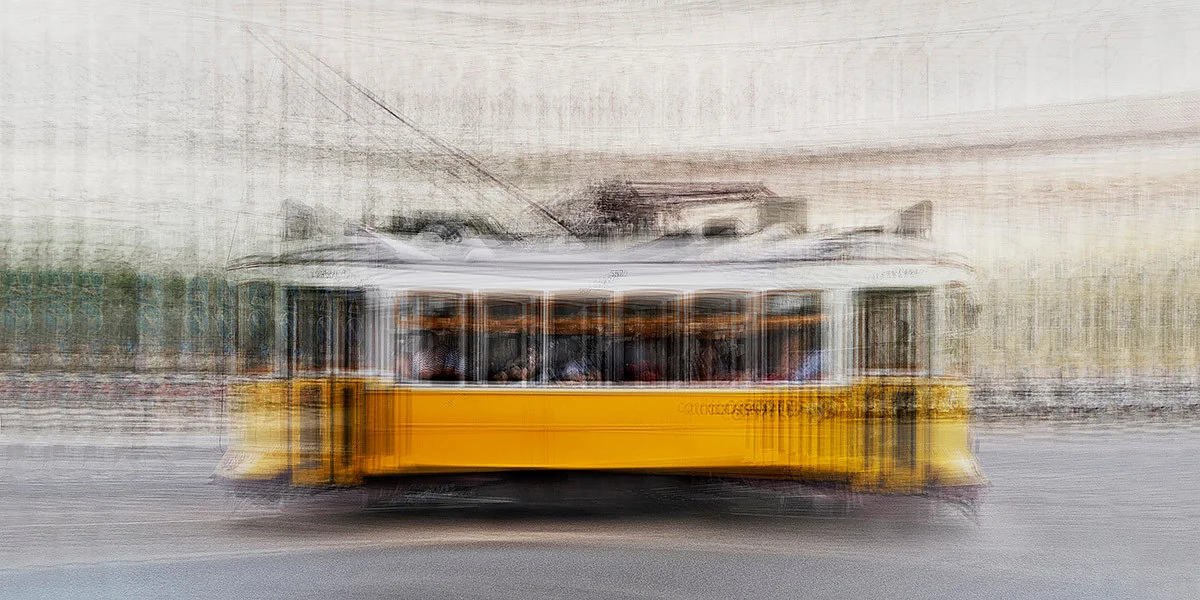
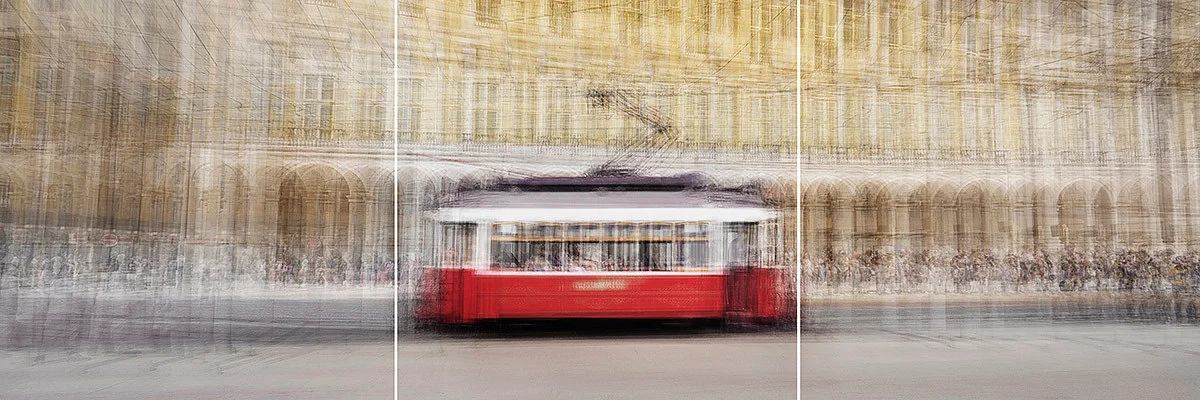
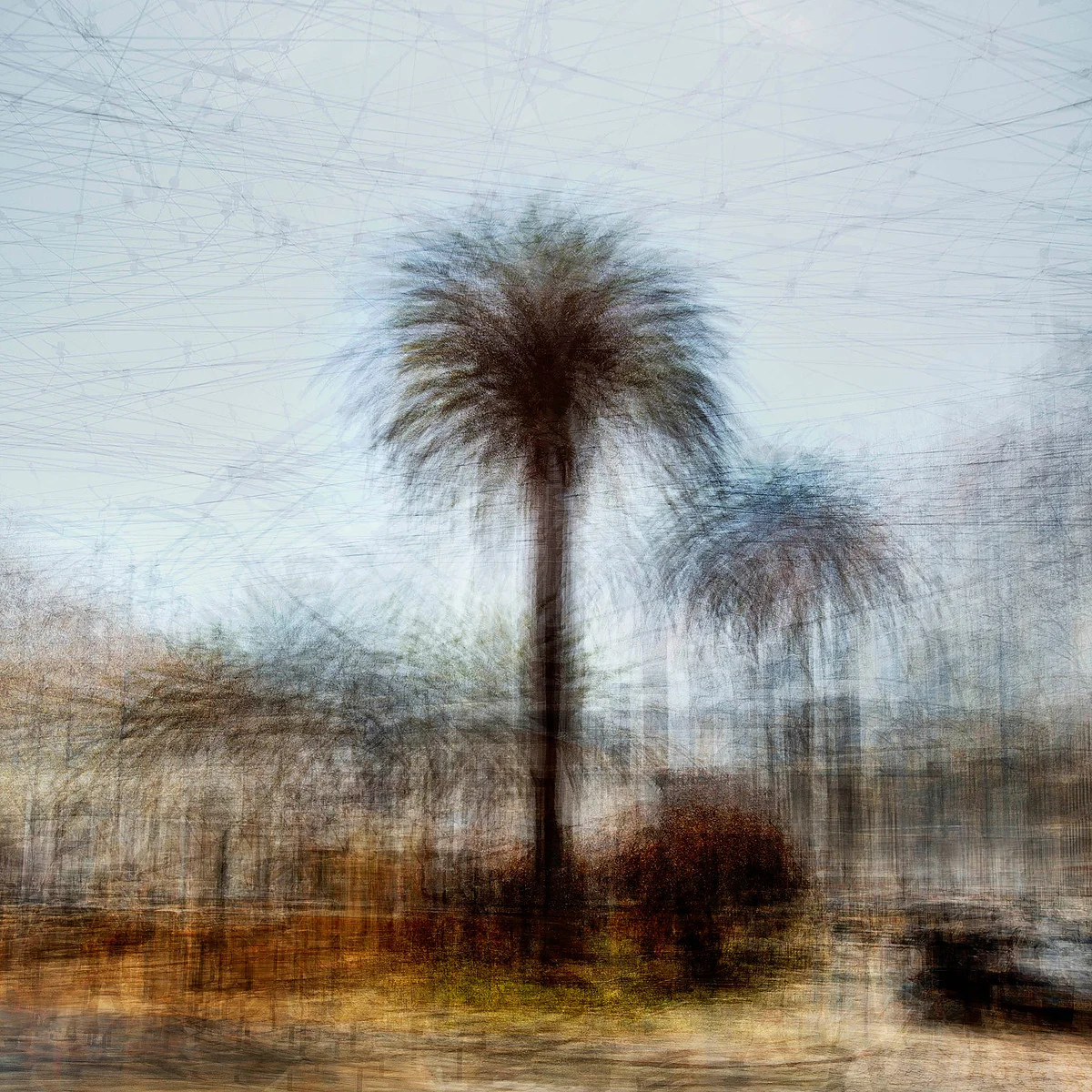
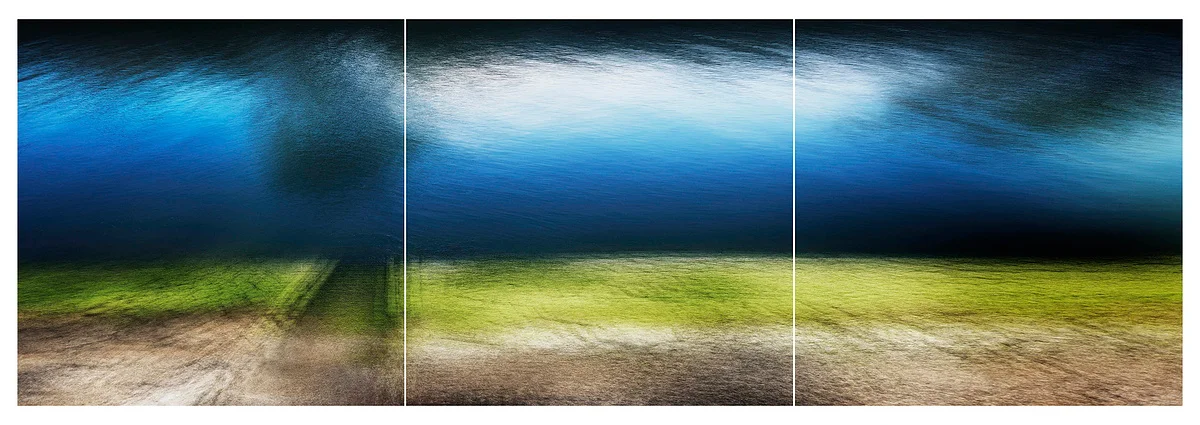

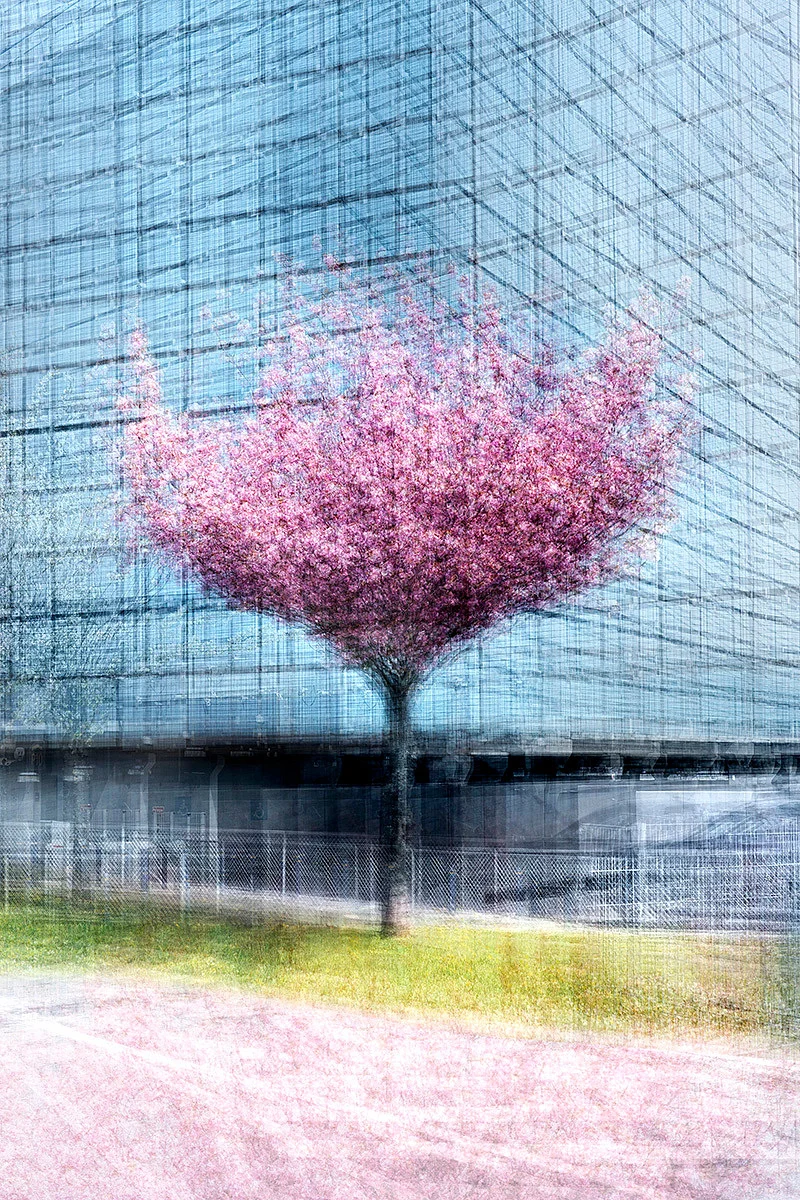
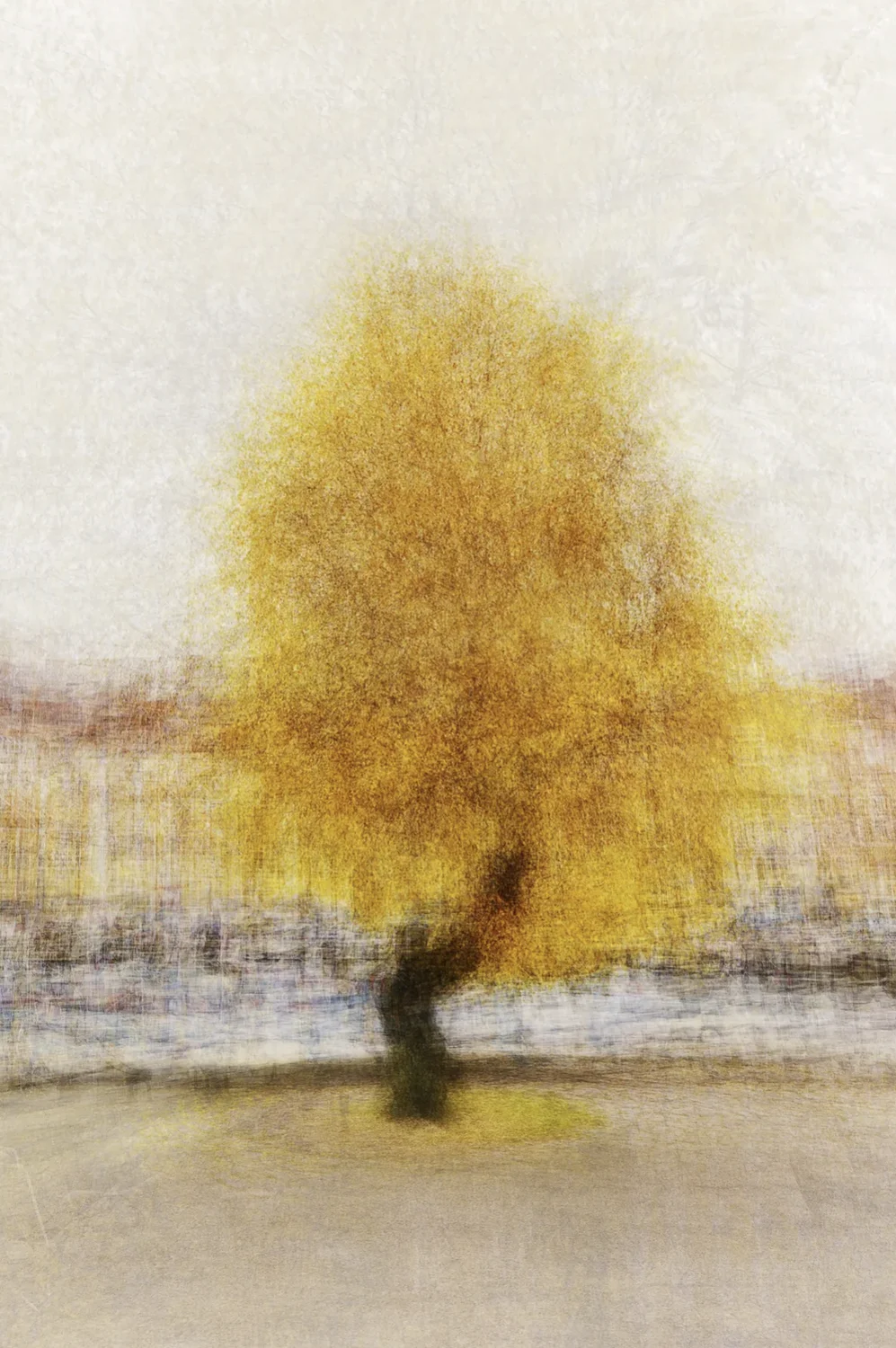
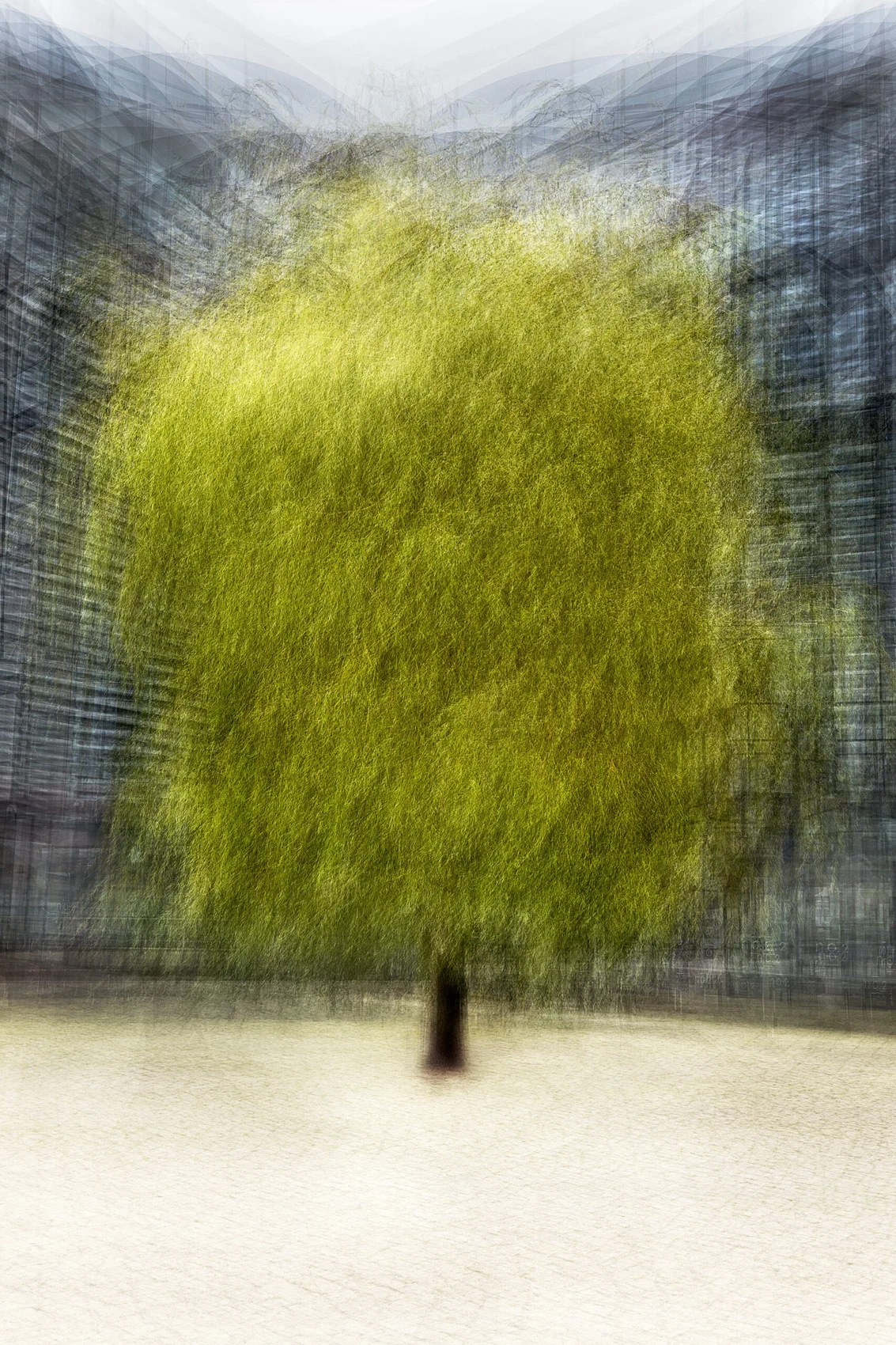
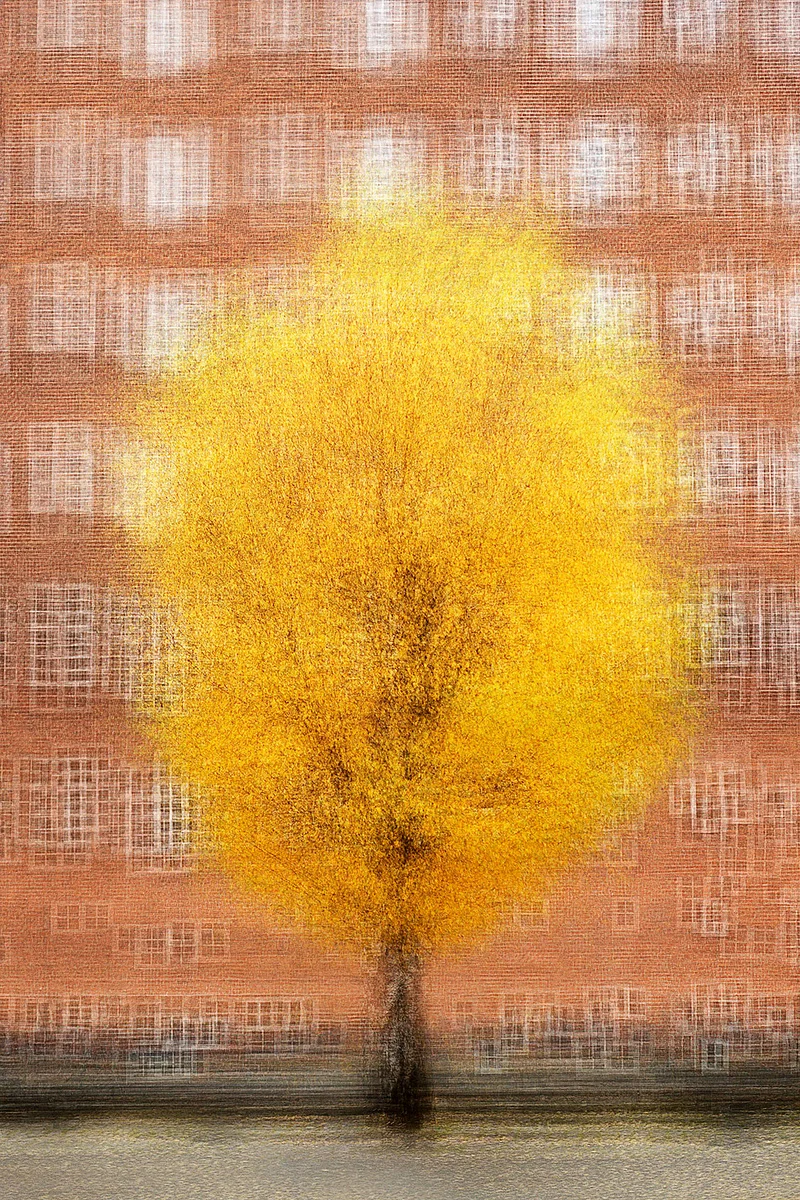

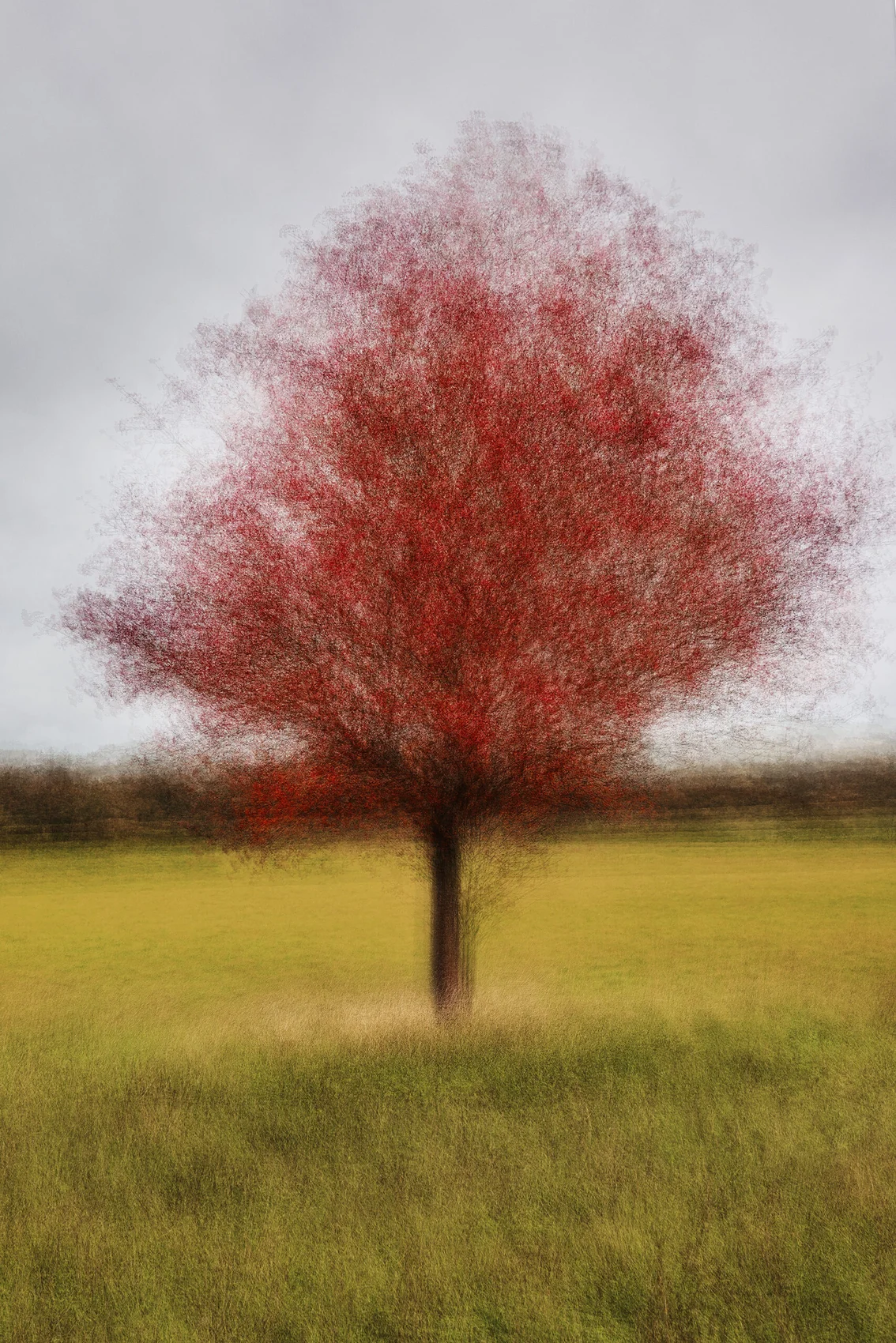
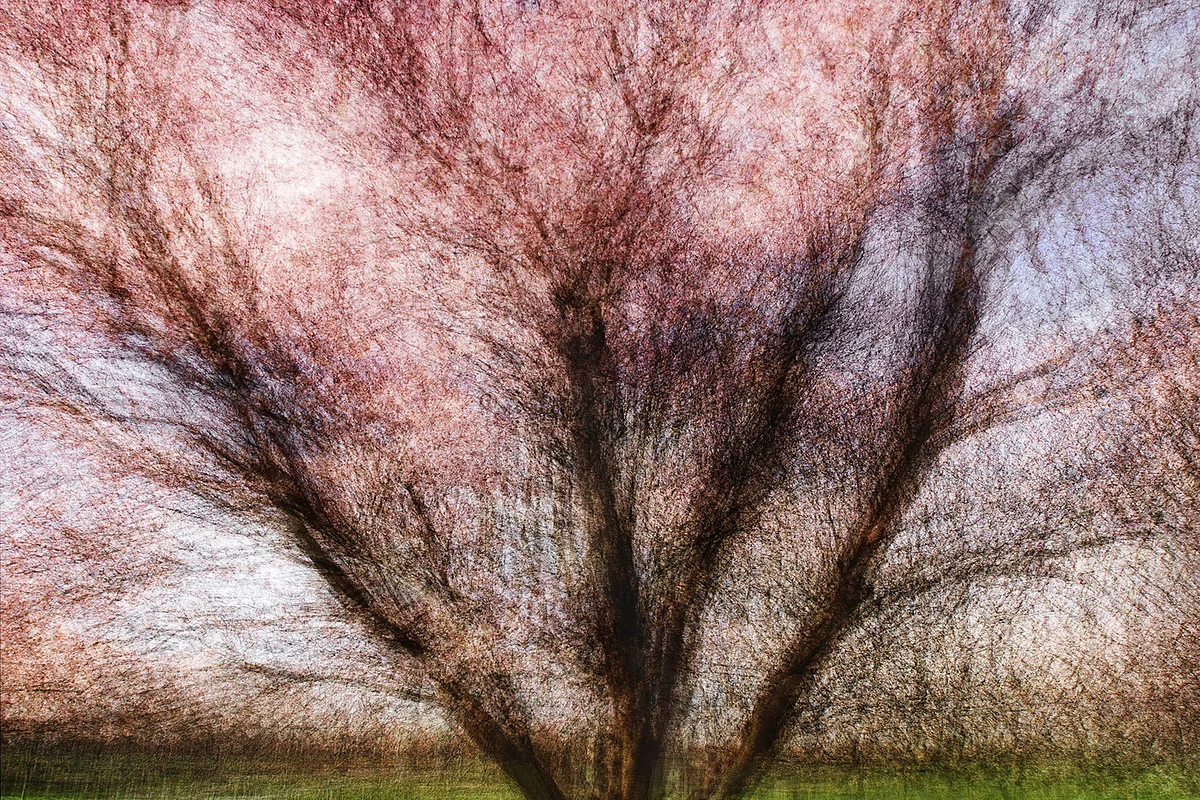
Jacob Gils was born in Gentofte, Denmark, into an artist family. His mother is the painter Merete Hansen, and his father was the painter Ove Gils. He graduated from the Copenhagen School of Photography in 1989, where he assisted the Danish photographer Leif Schiller.
In his early career, Gils worked as an advertising photographer and founded the renowned photo studio Gils Photography. In 2001, he shifted to an art practice and began experimenting with various photographic techniques and forms of expression. His work has since been exhibited internationally and is represented in major museum and private collections.
His works are held in the collections of Fotografiska – The Museum of Photography in Stockholm; the Museum of Modern Art in Bogotá; the National Museum of Photography at the Royal Danish Library in Copenhagen; the National Museum of Photography in Oslo; the Ning Zhou Museum of Photography in Los Angeles; the Danish Cultural Center in Beijing; and the Nanjing Institute of Visual Arts in China.
His work is also included in notable public and private collections, including Their Royal Highnesses King Frederik X and Queen Mary’s collection at Amalienborg Palace in Copenhagen; Their Royal Highnesses Prince Joachim and Princess Marie’s collection; the Danish Cultural Institute in Beijing; Boston Properties in New York; the Thomas Shao Collection in Shanghai; LEGO A/S; Maersk A/S; and the Confederation of Danish Industry.
ARTIST STATEMENT
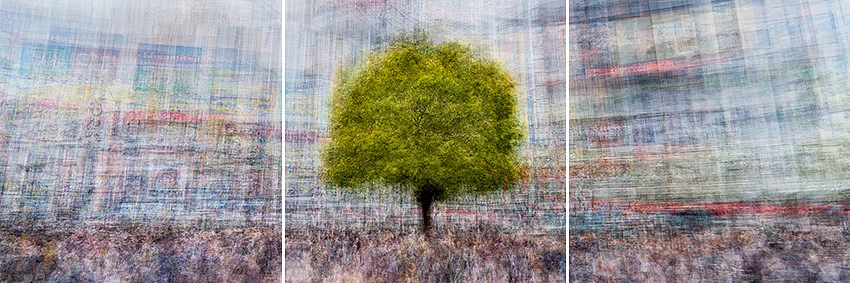
Initiated by a wish to break away from controlled predefined photography I employed a distinct technique by transferring Polaroids onto Watercolor paper and a conscious dividing of the photo into multiple fields. The new take on photography let to the unique expression seen in Limit To Your Love series. I have most recently developed this series into a further exploration, using old-fashioned glass plate techniques
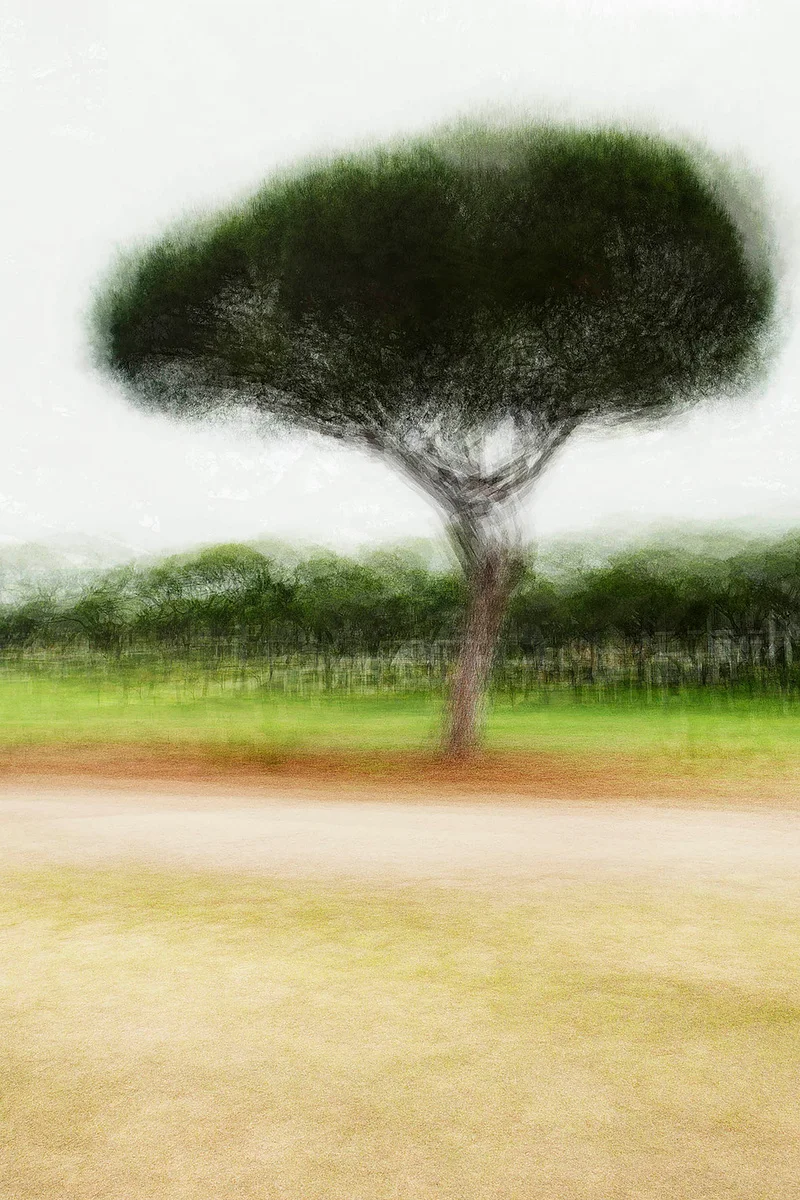
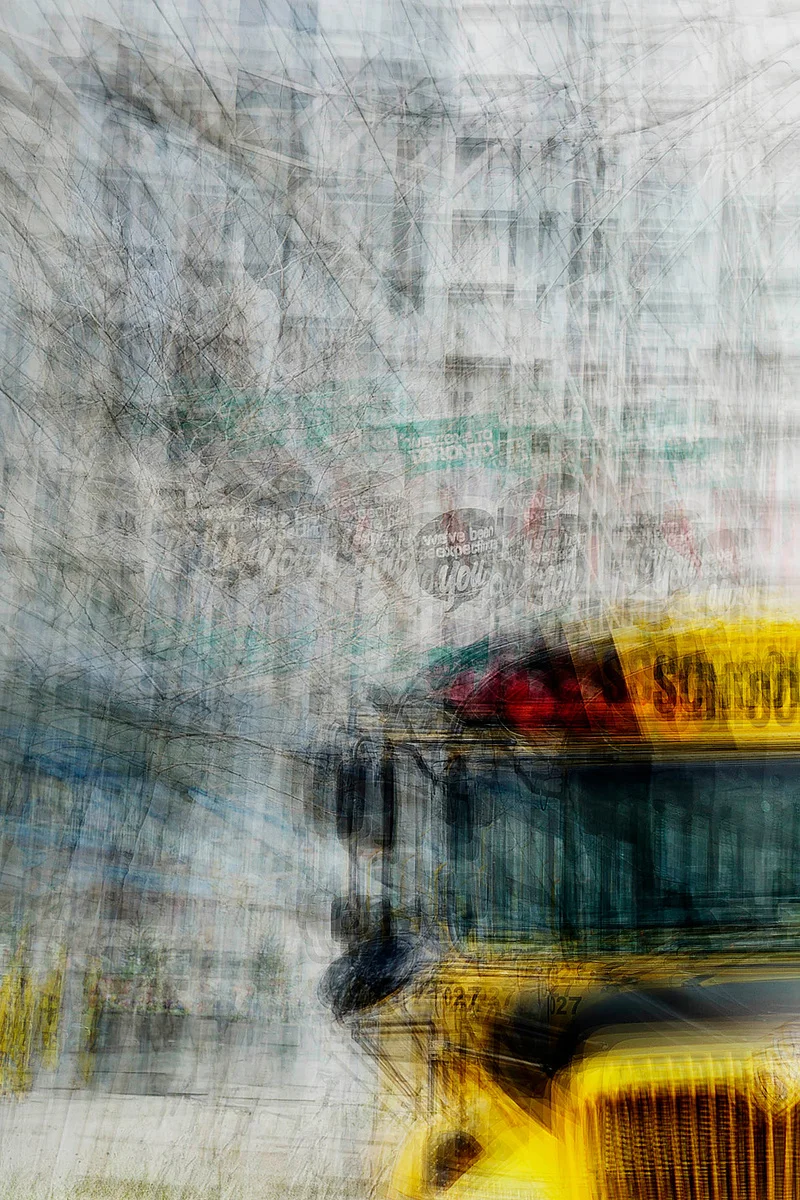
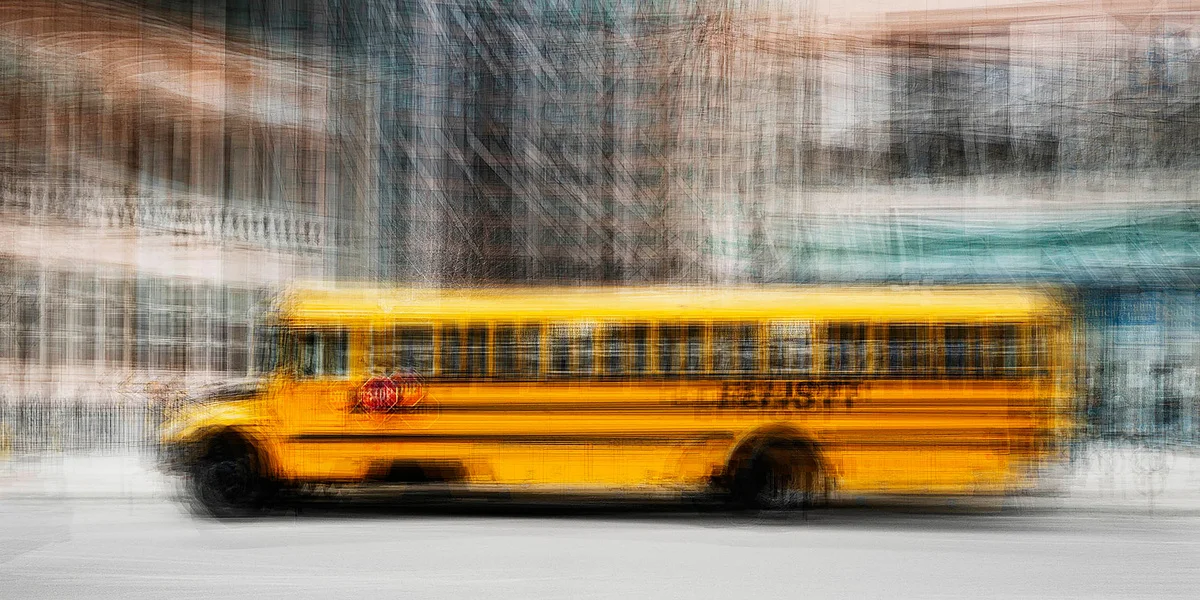
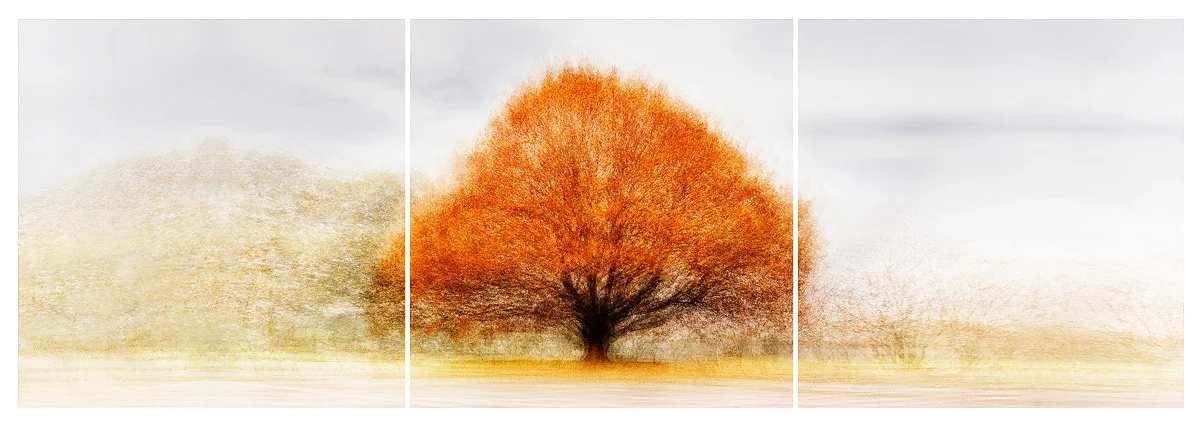
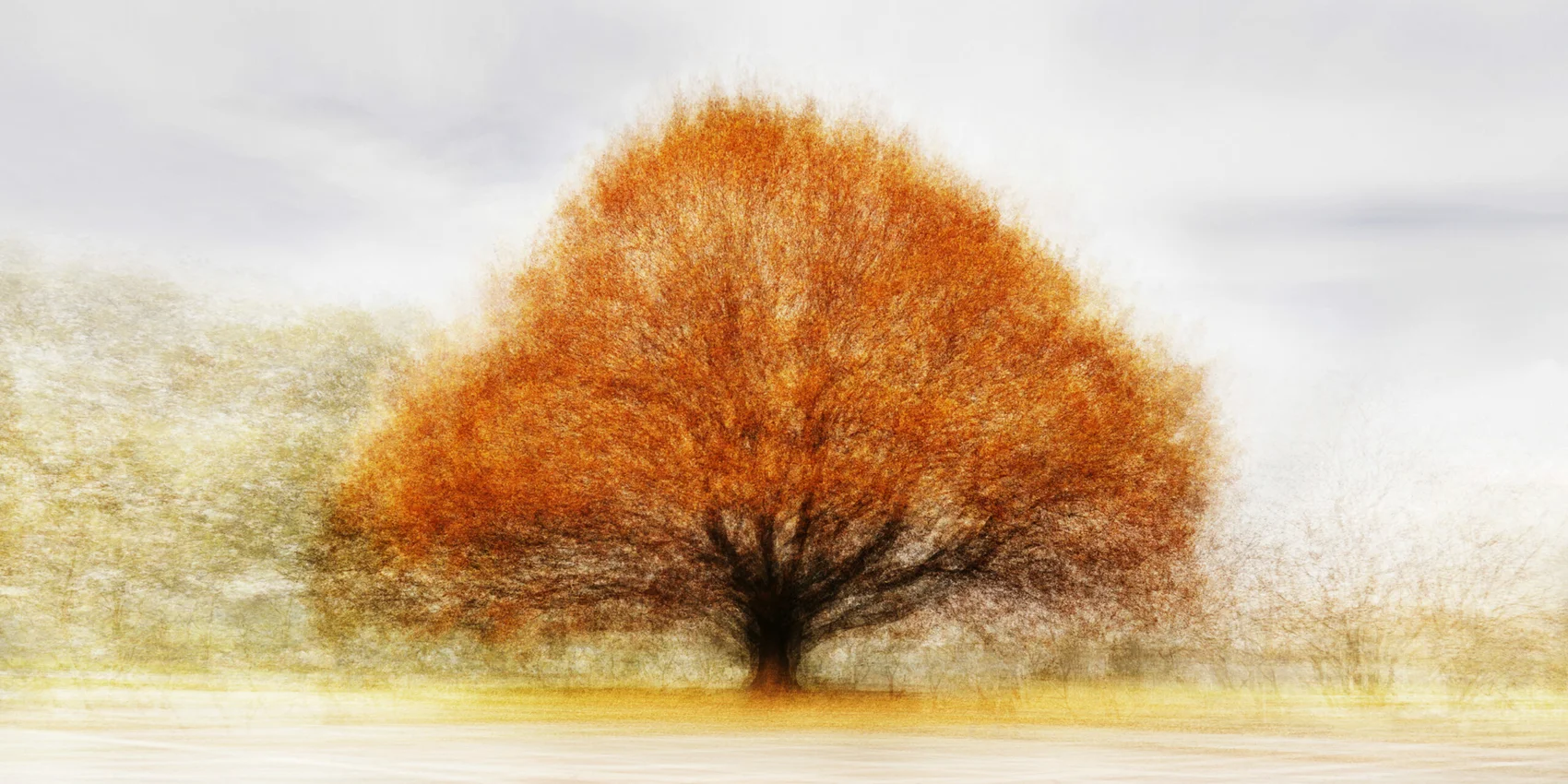
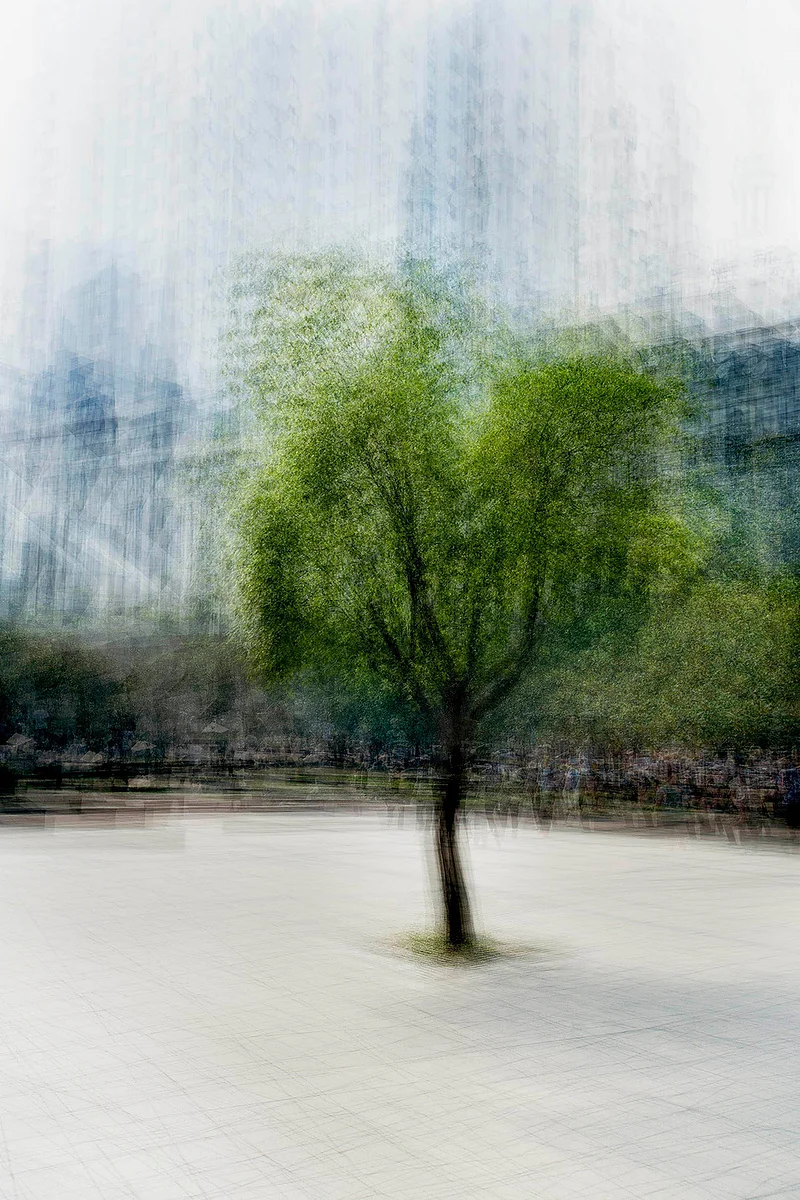
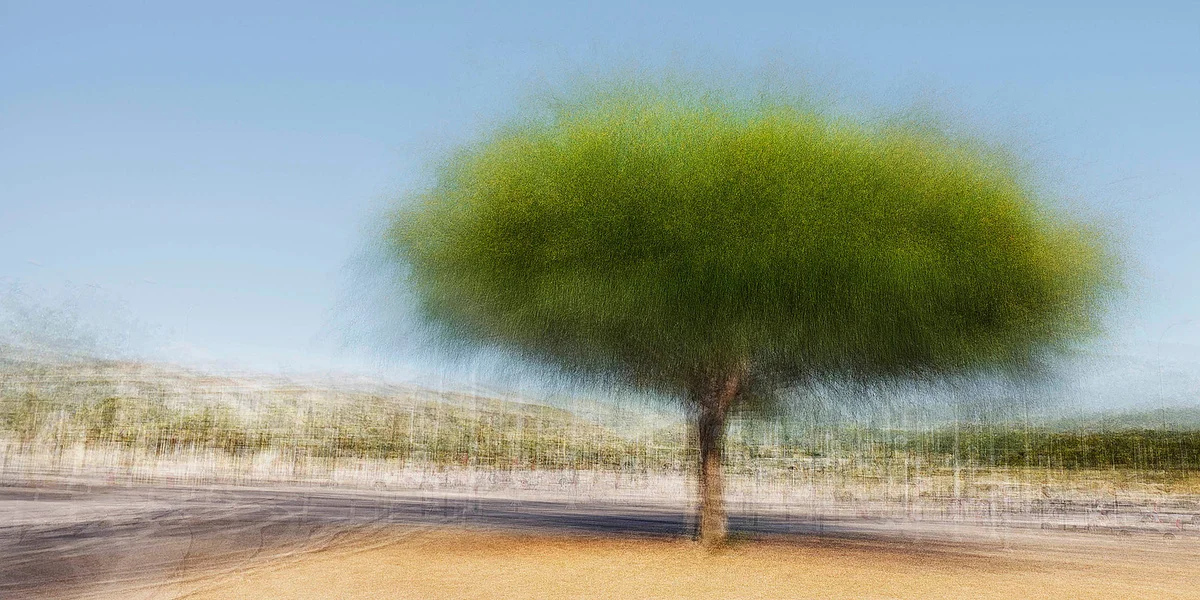
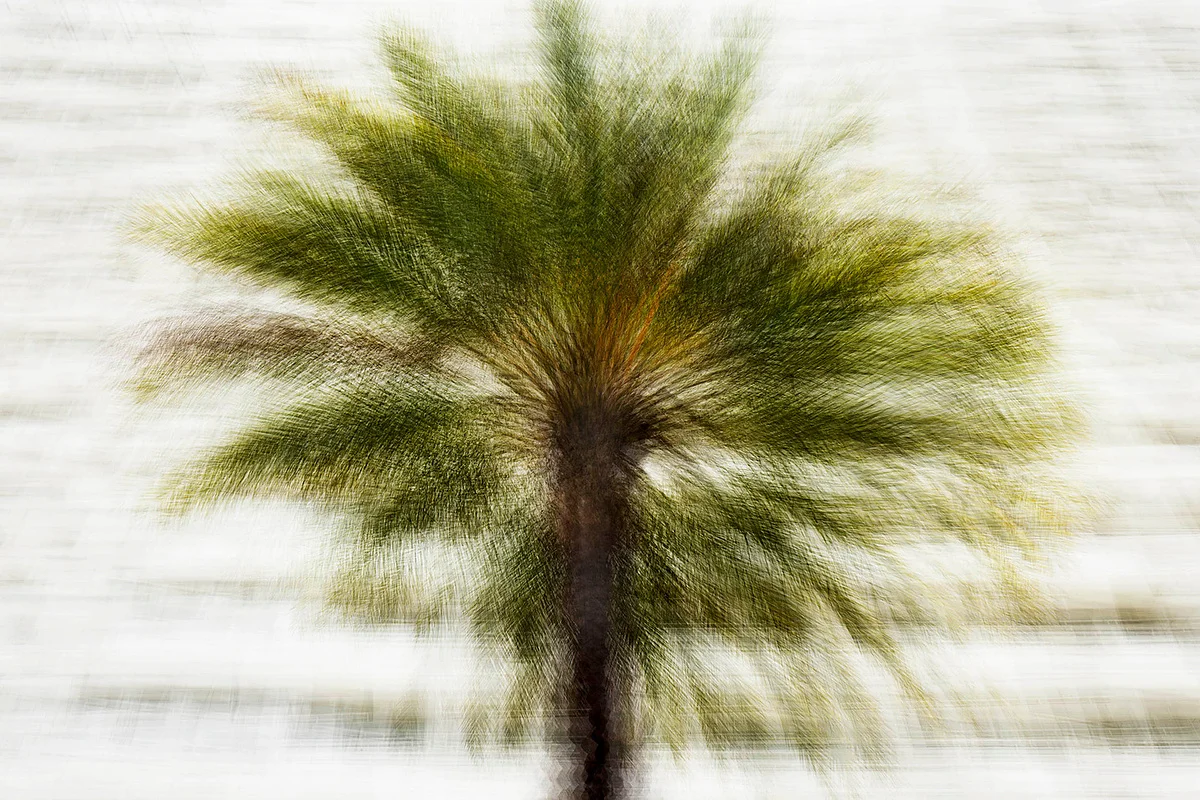
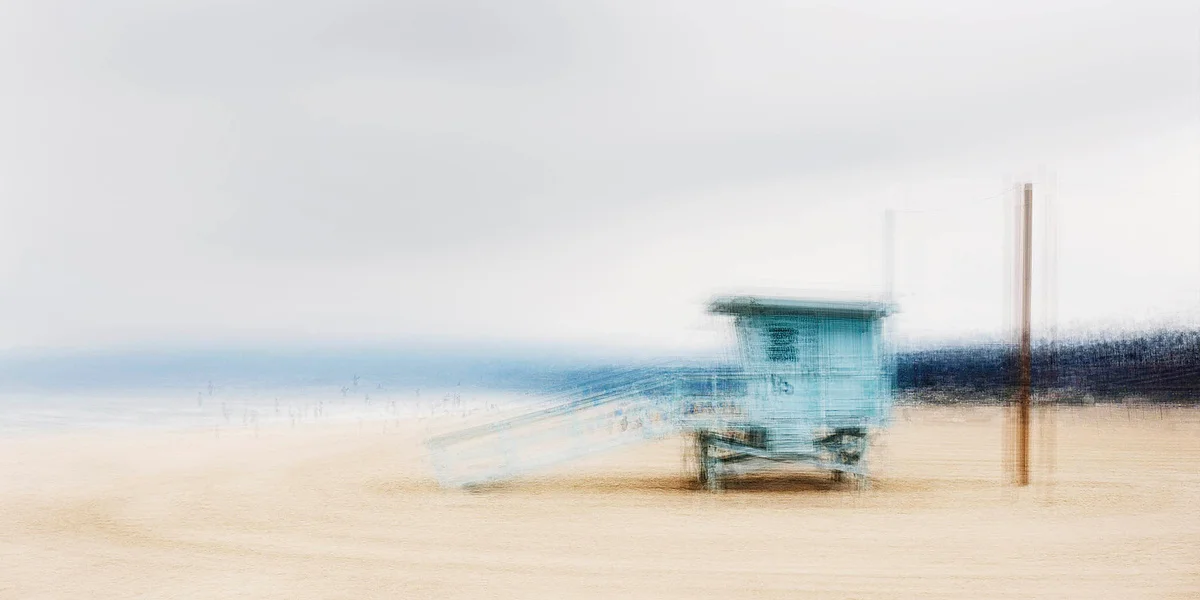
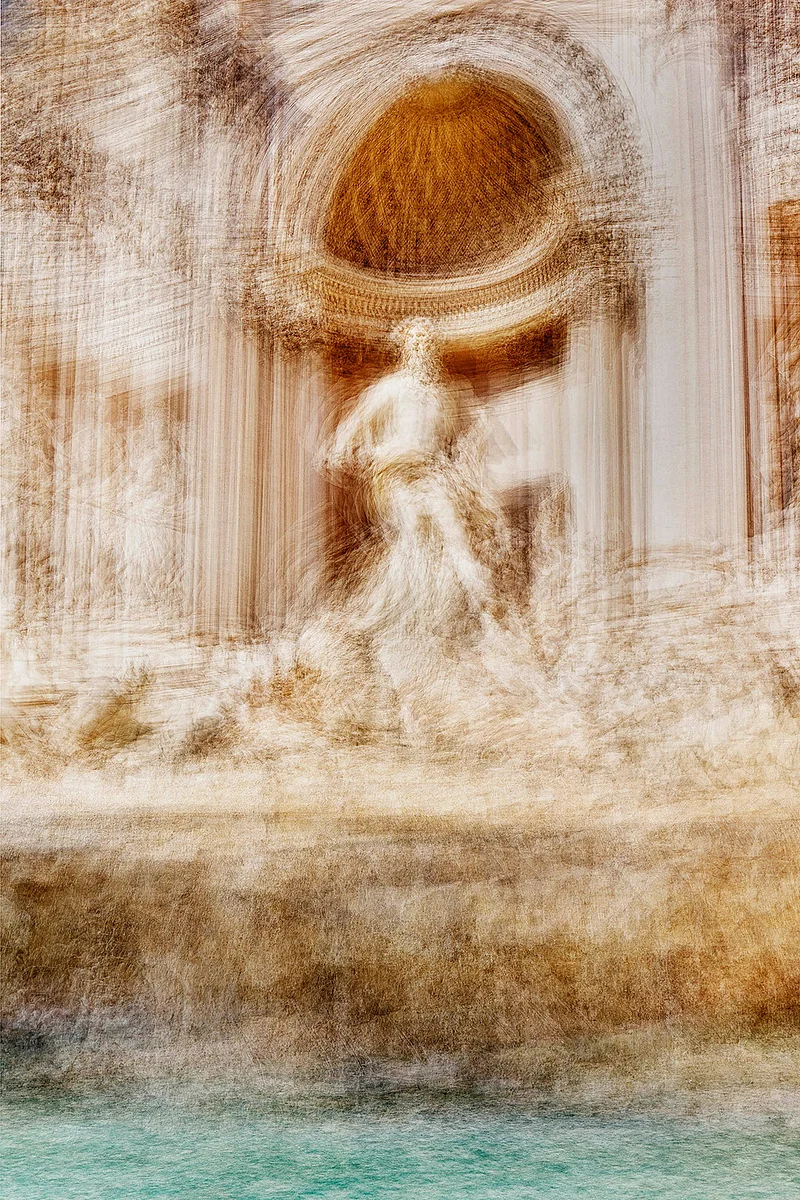
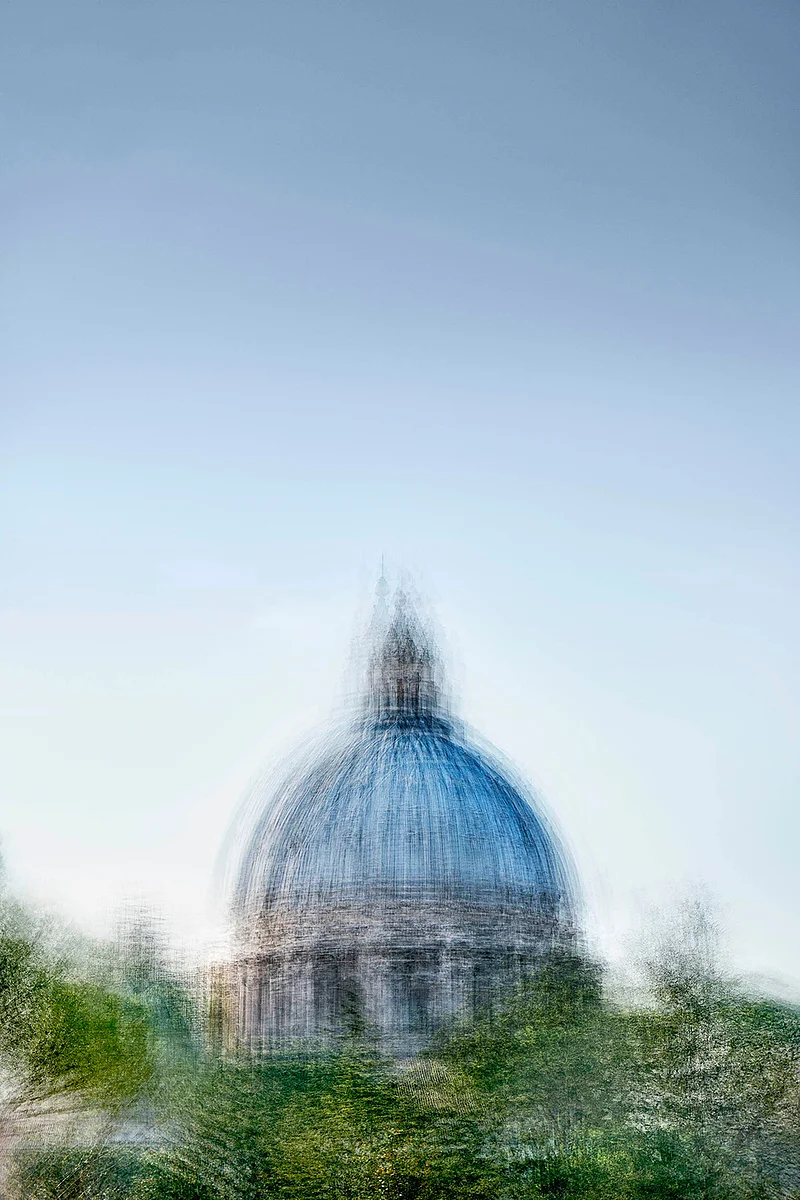
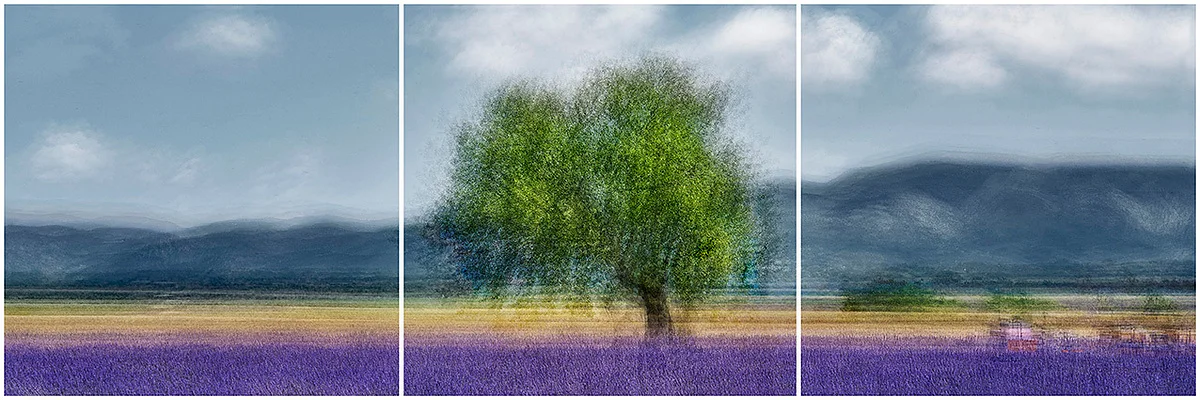
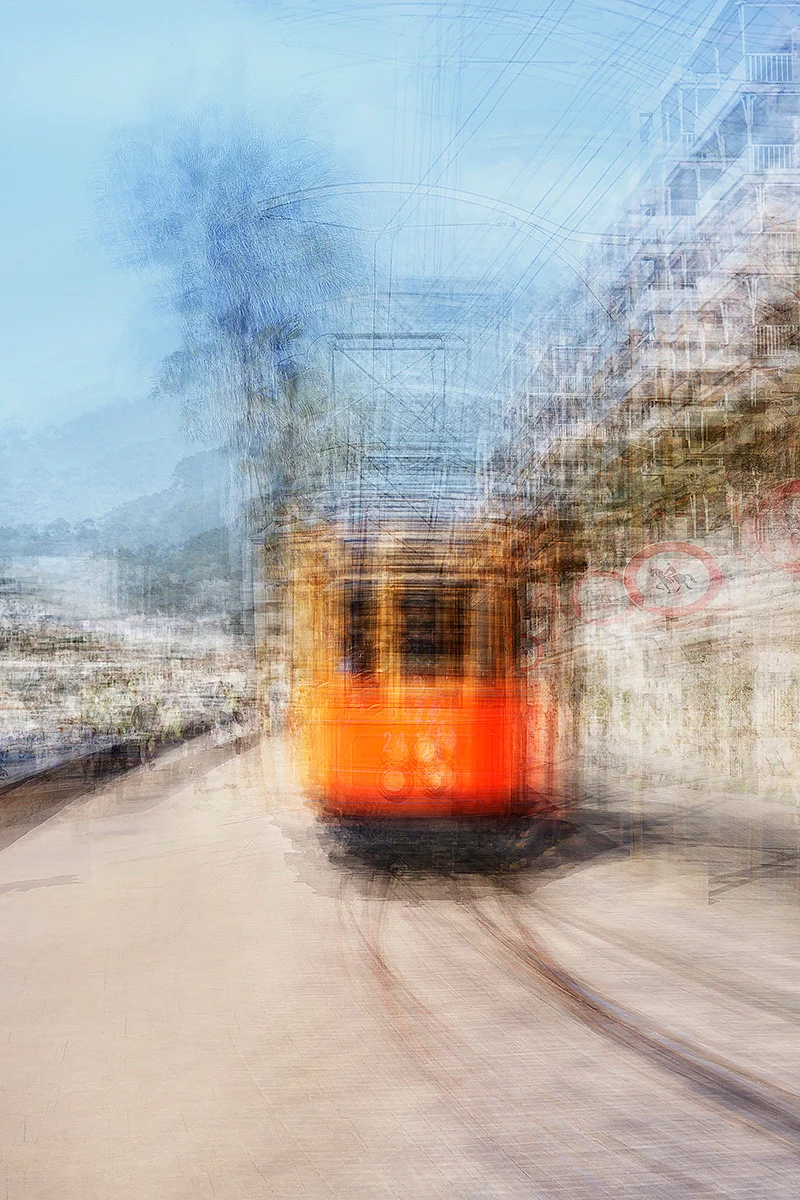
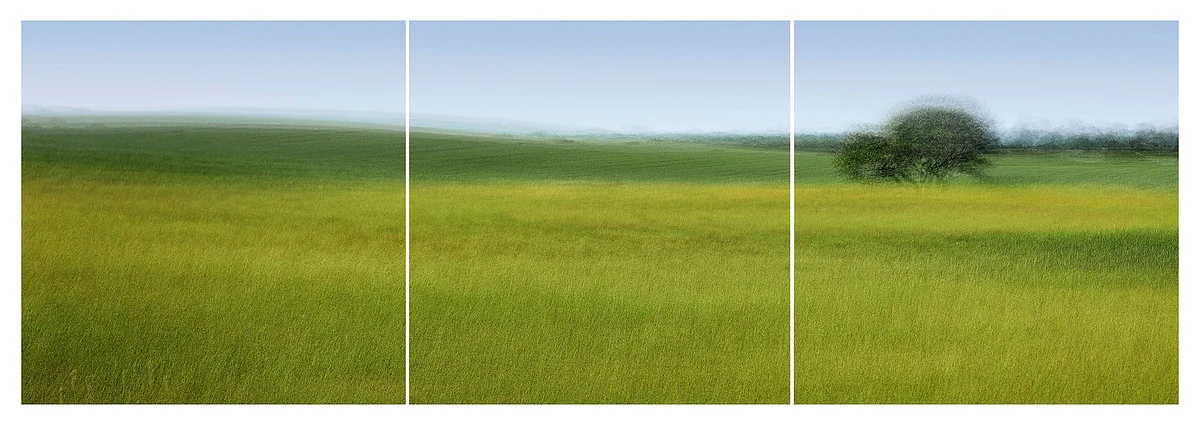
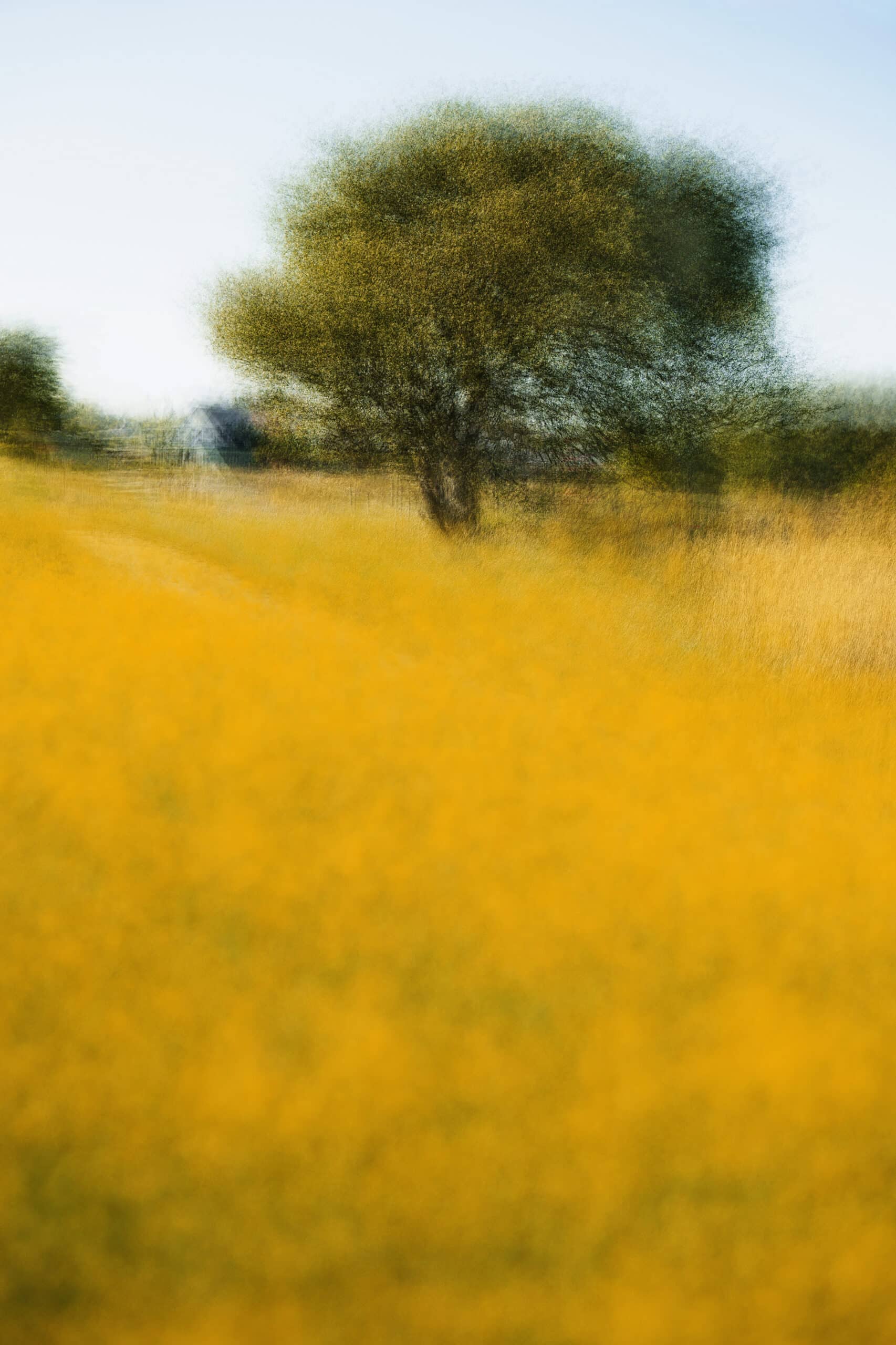
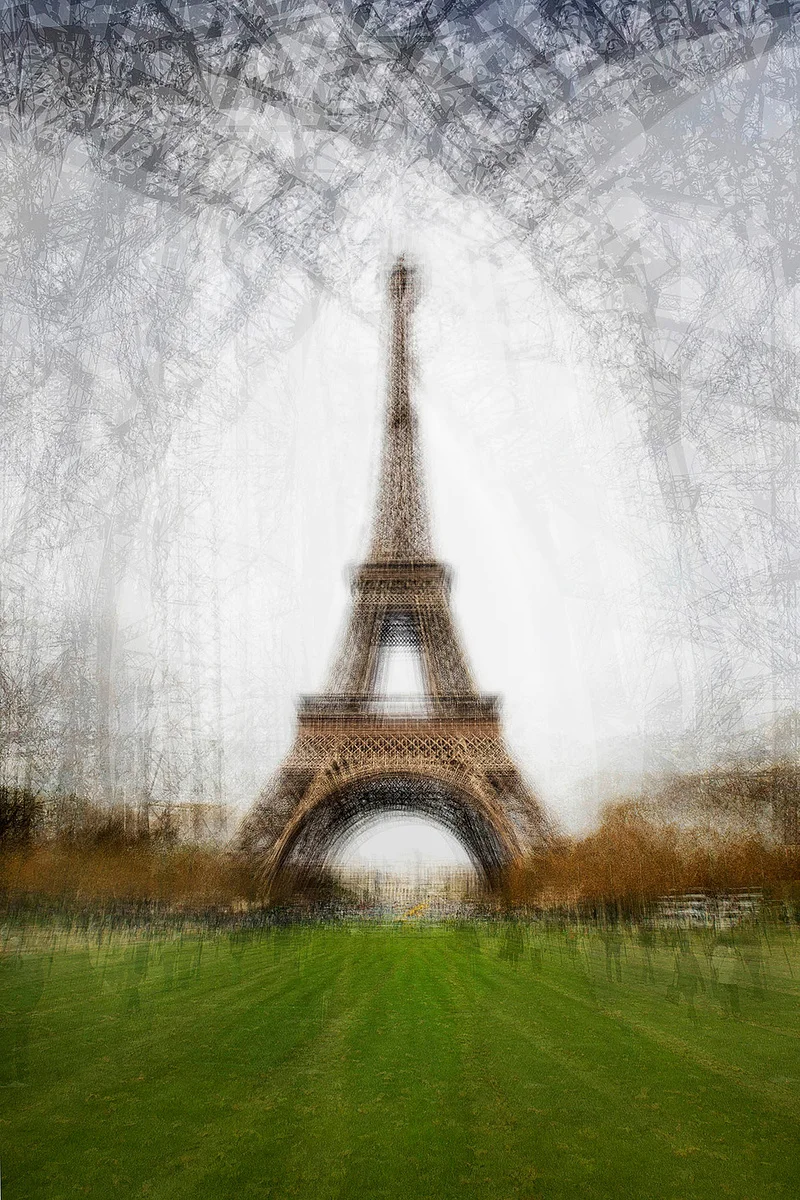
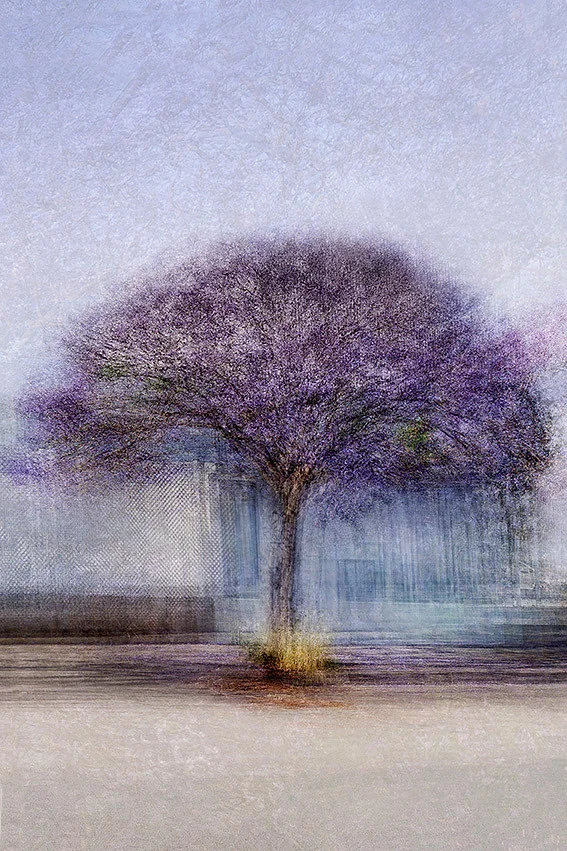
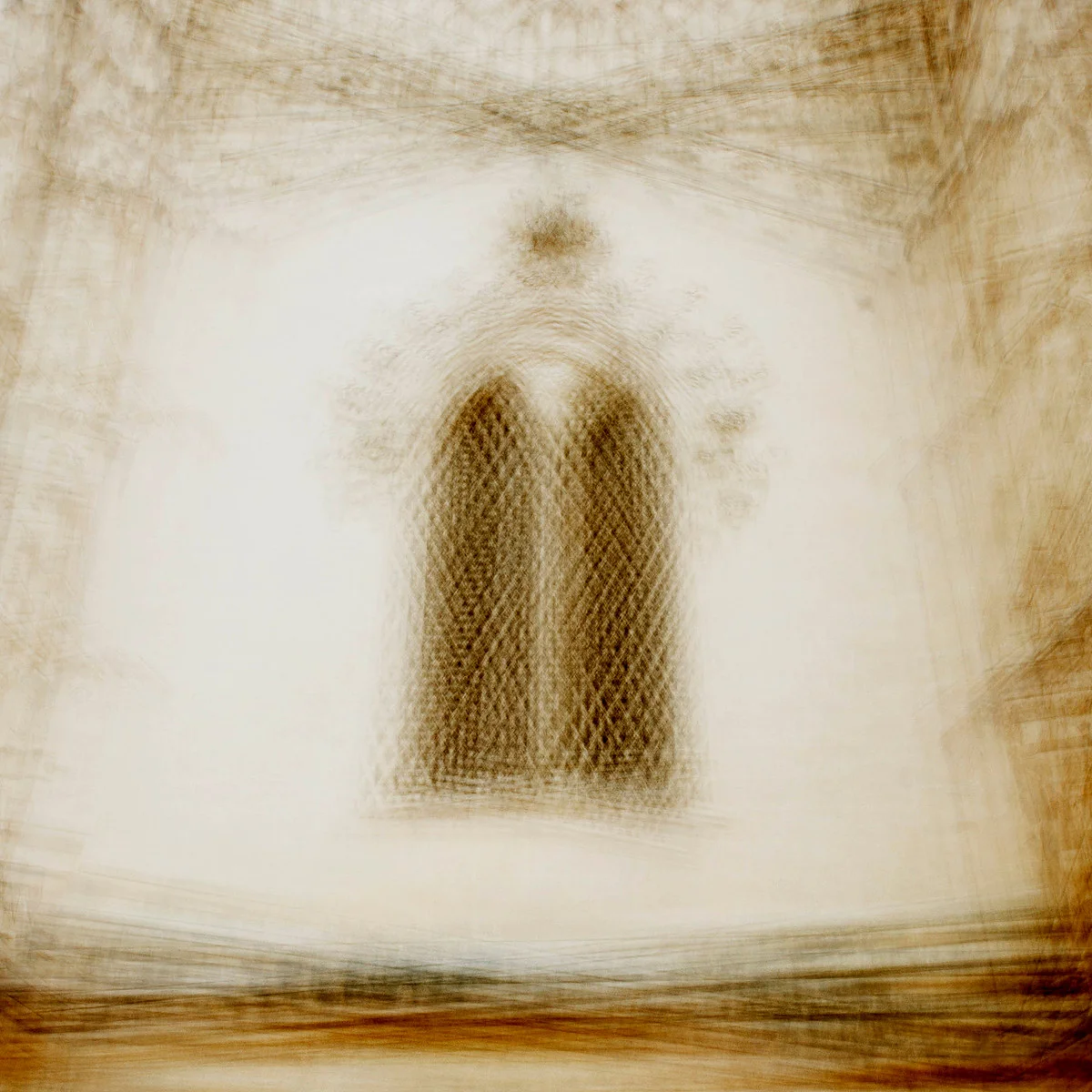
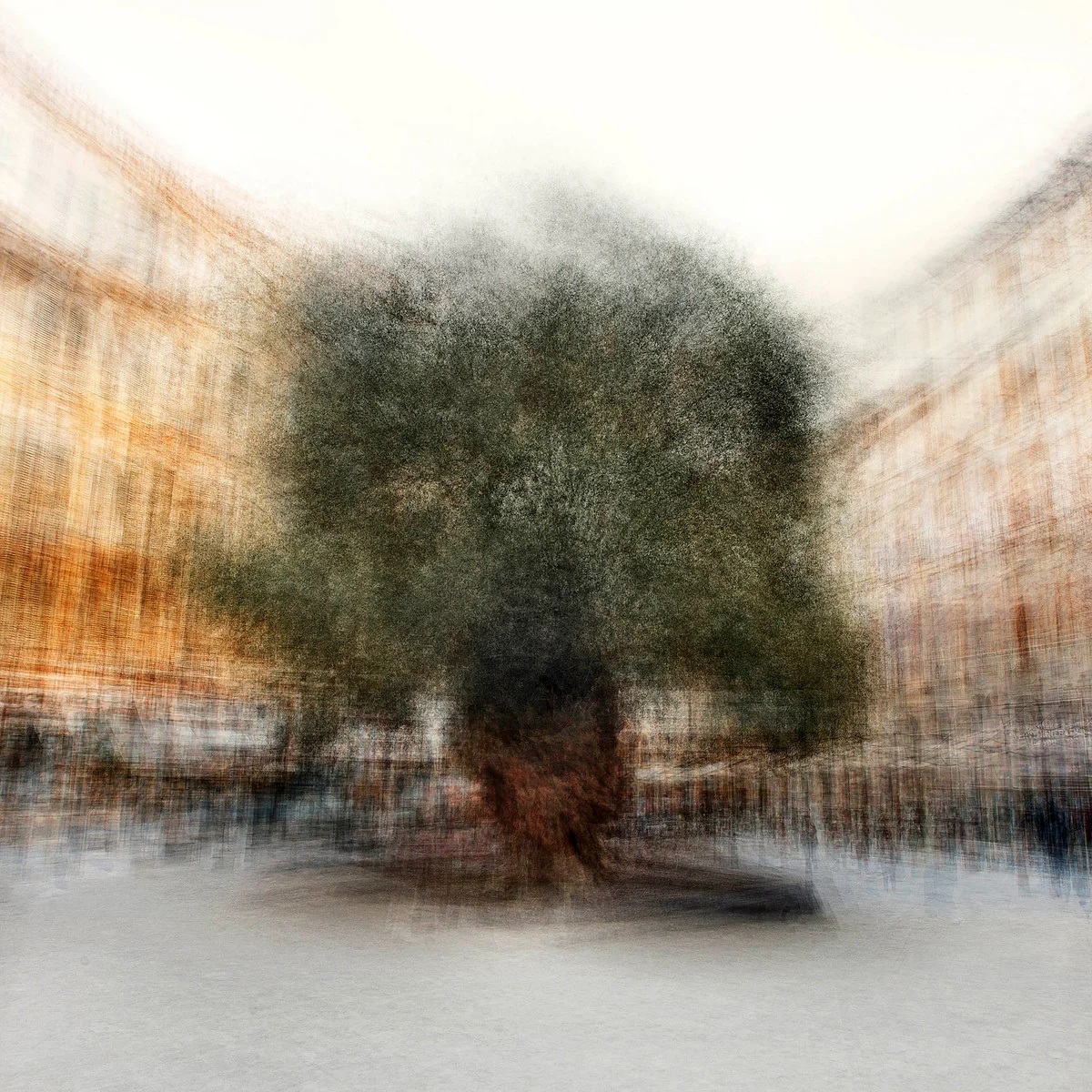
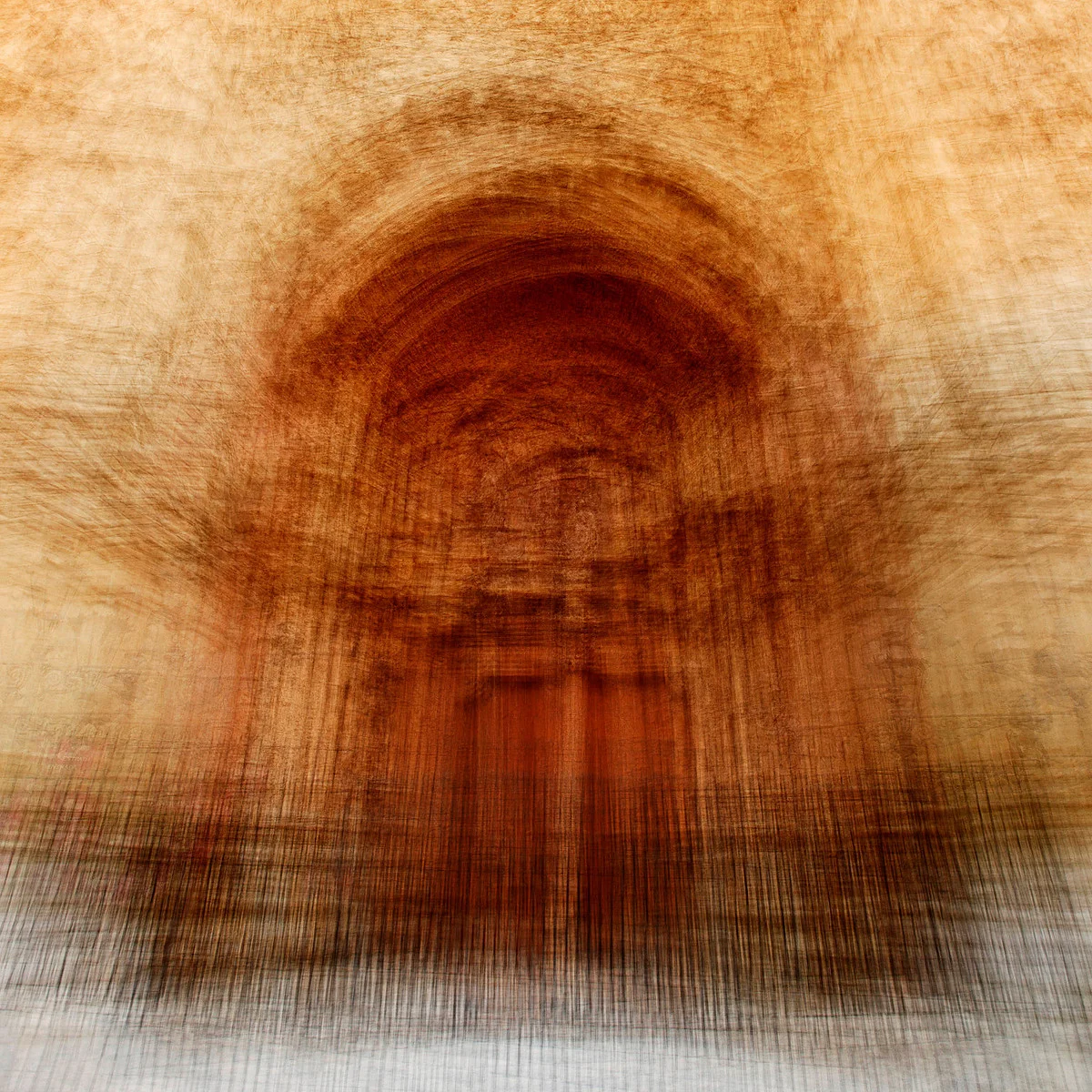
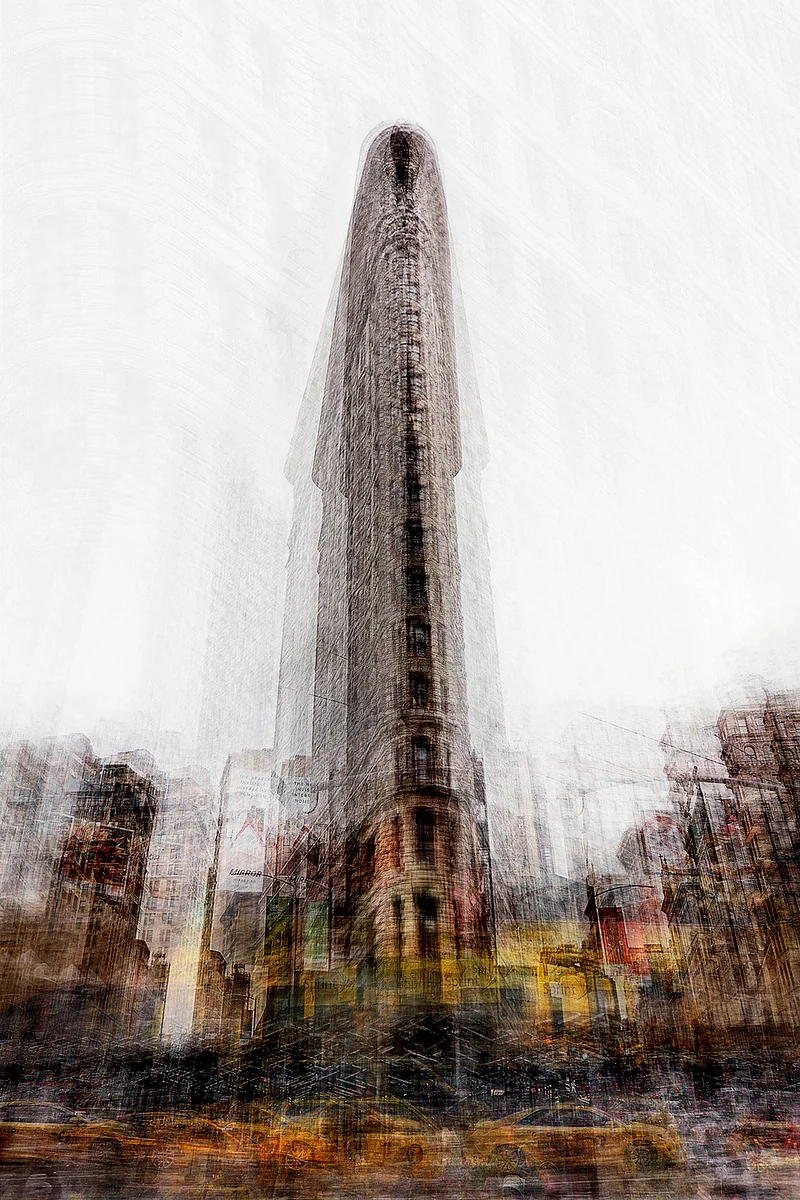
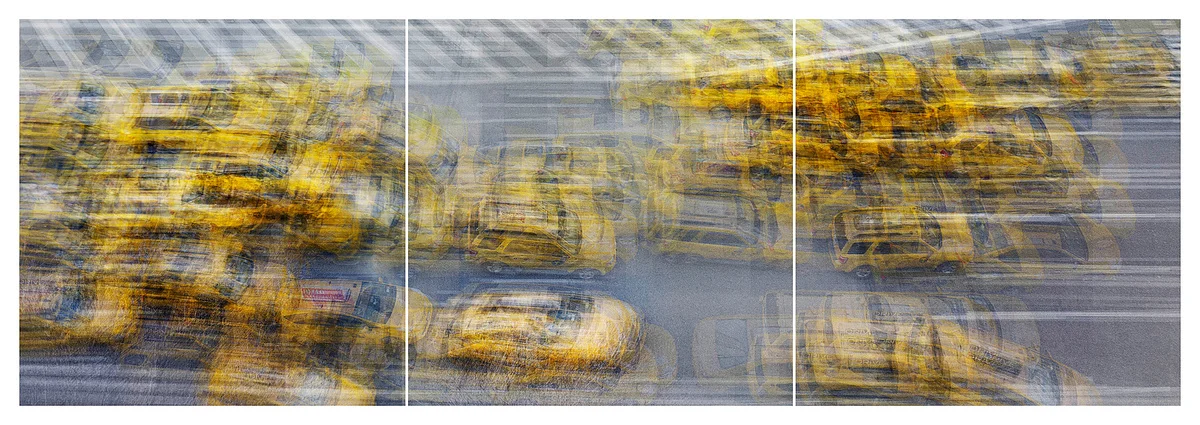
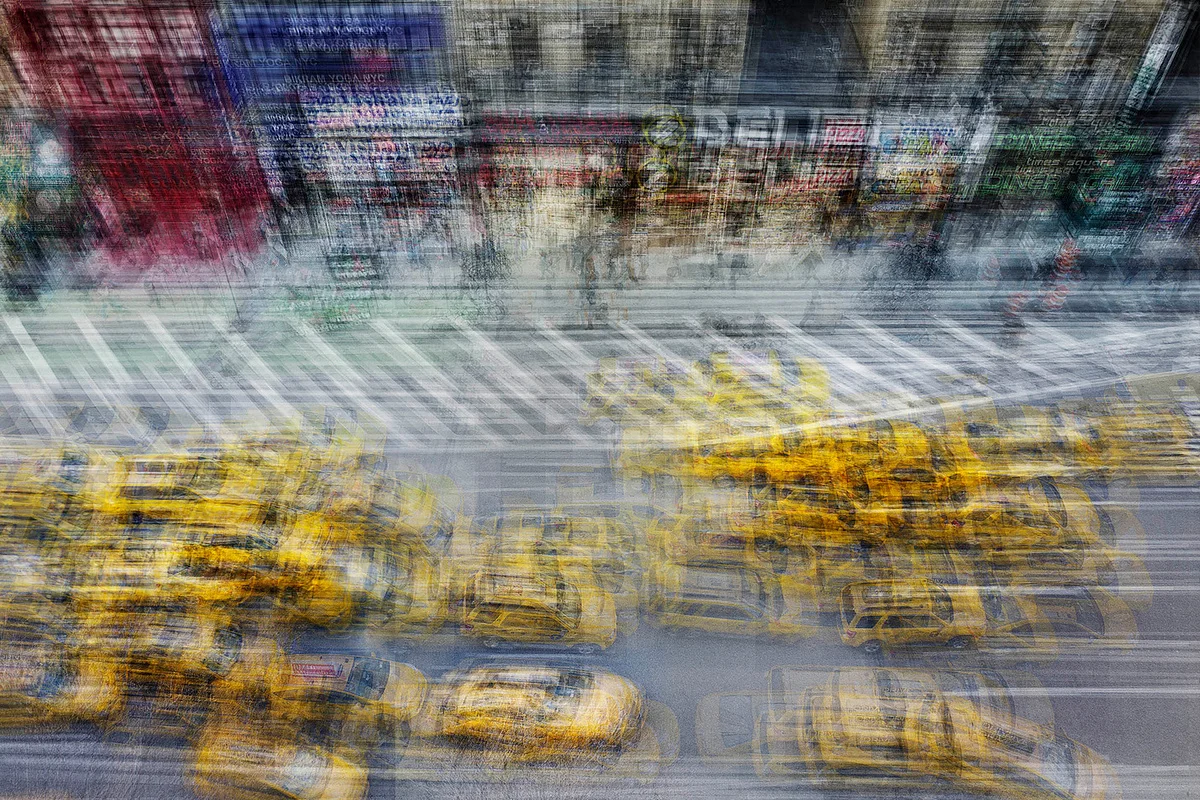
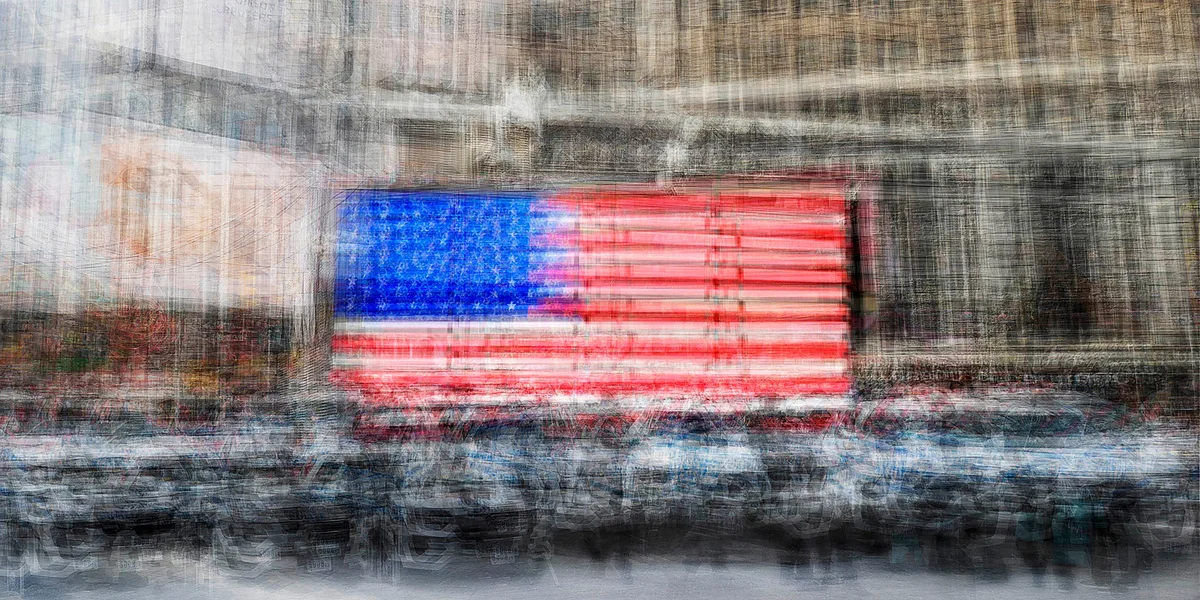
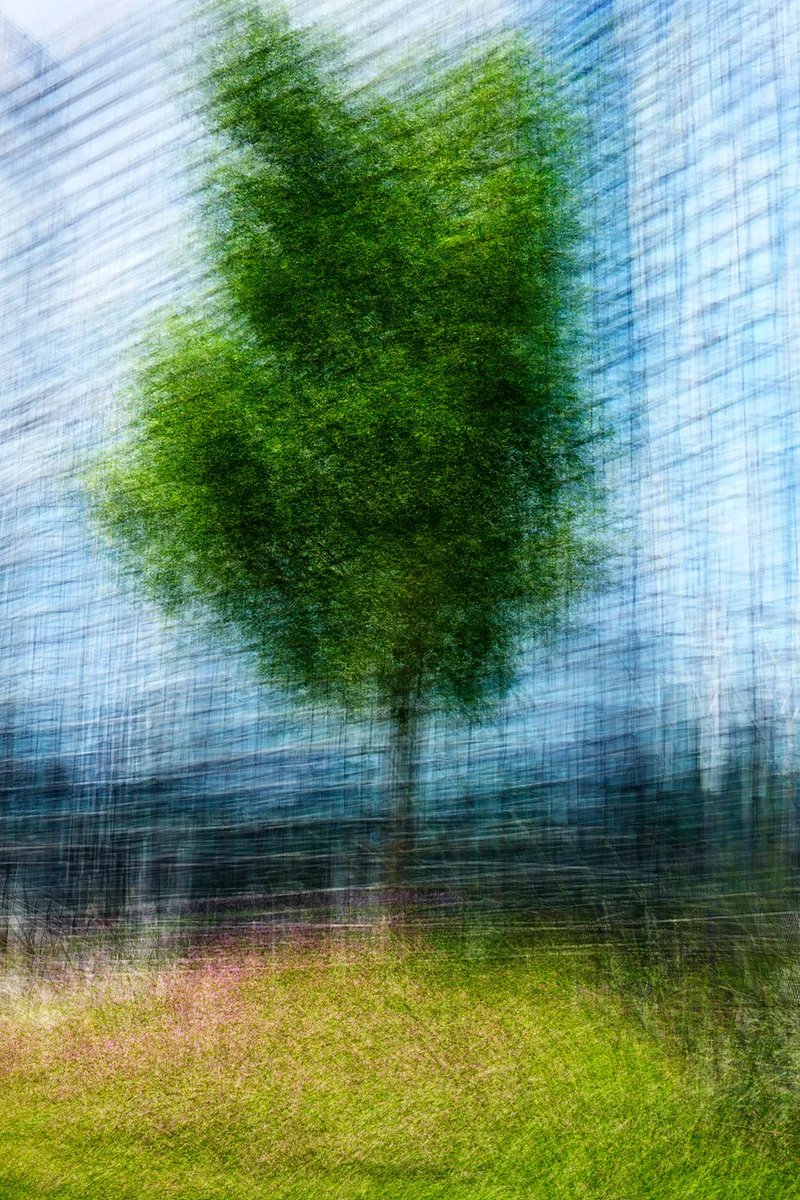
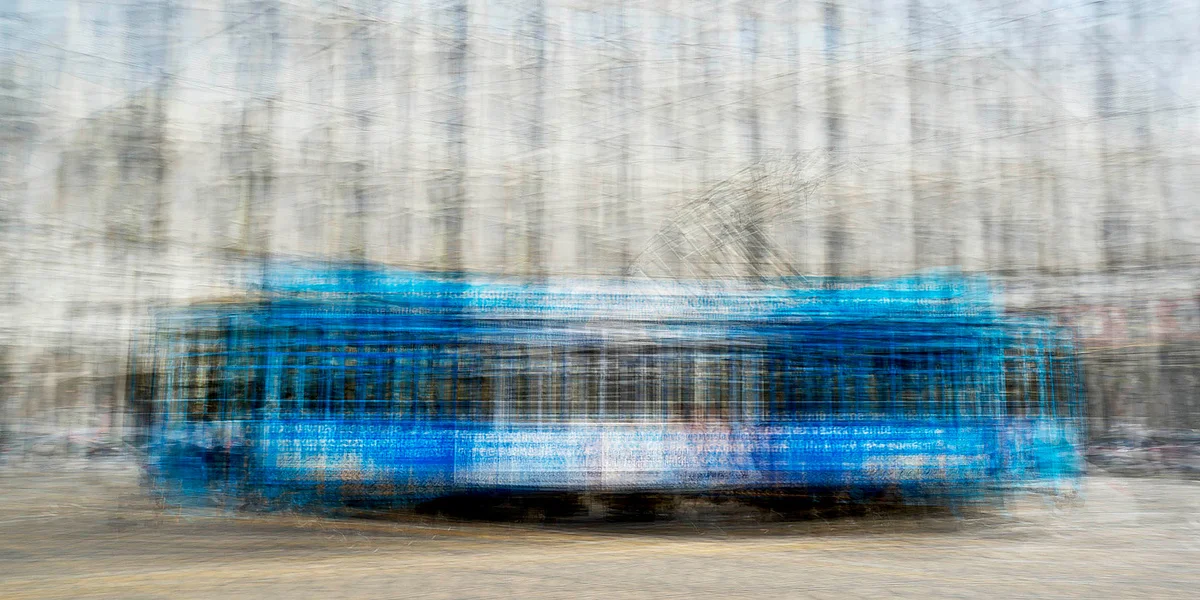
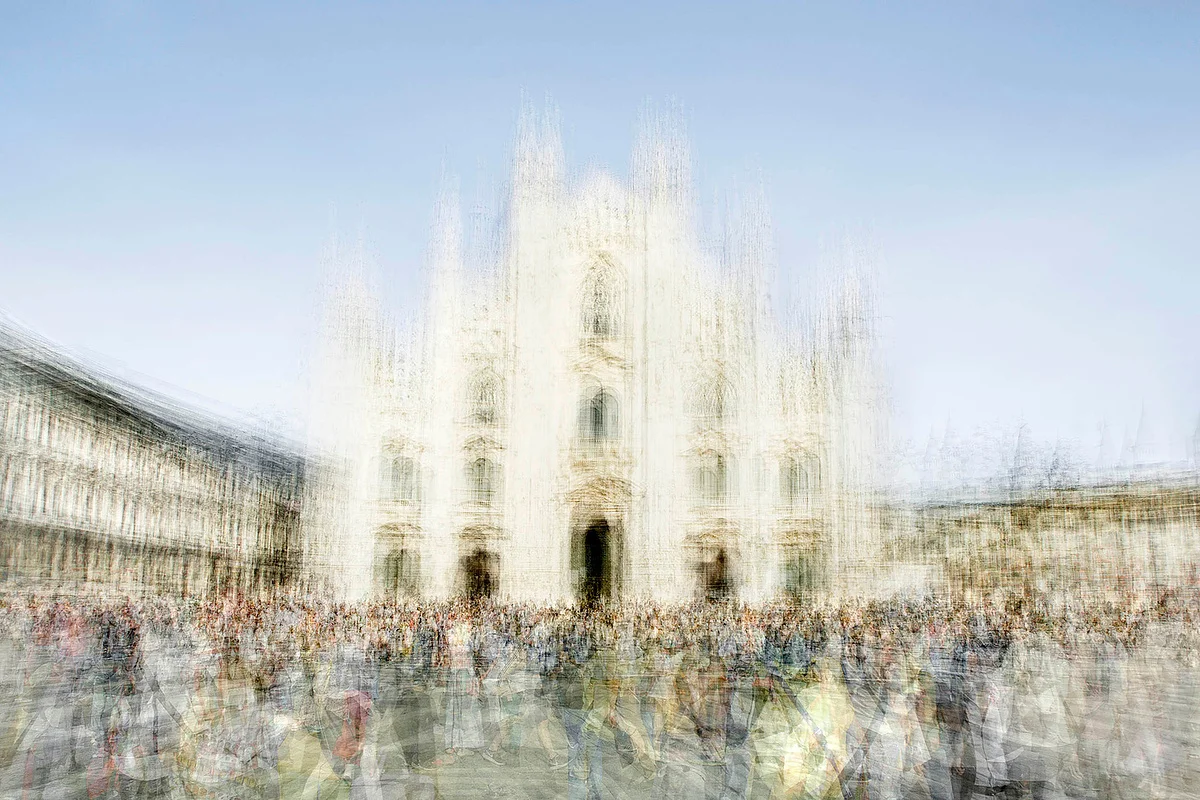
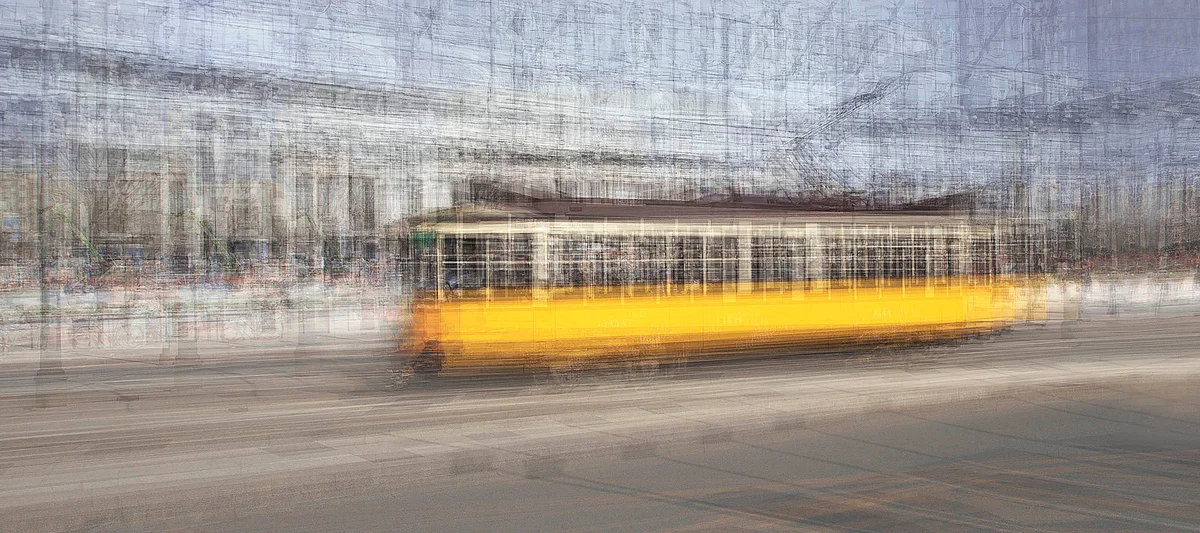
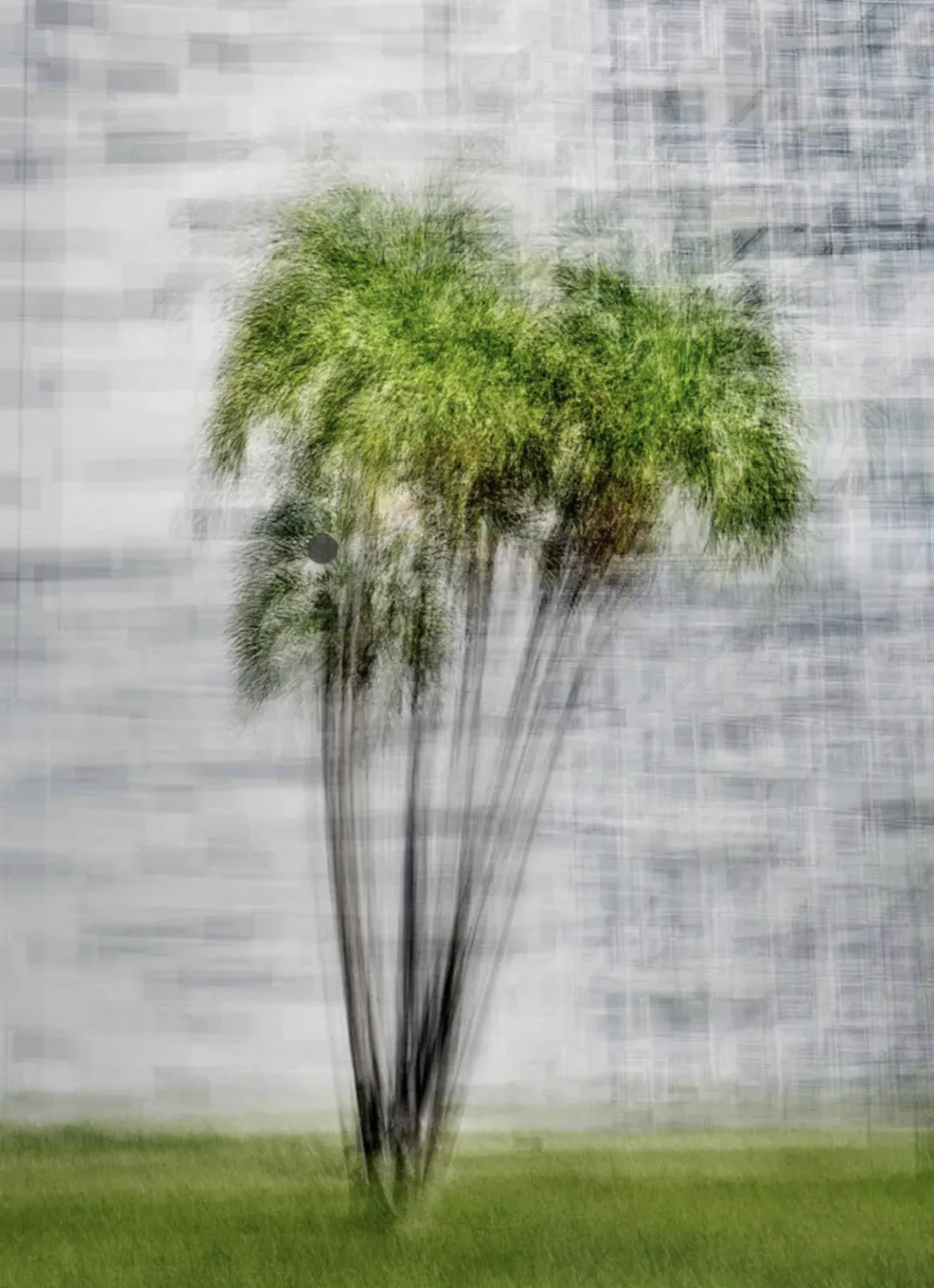
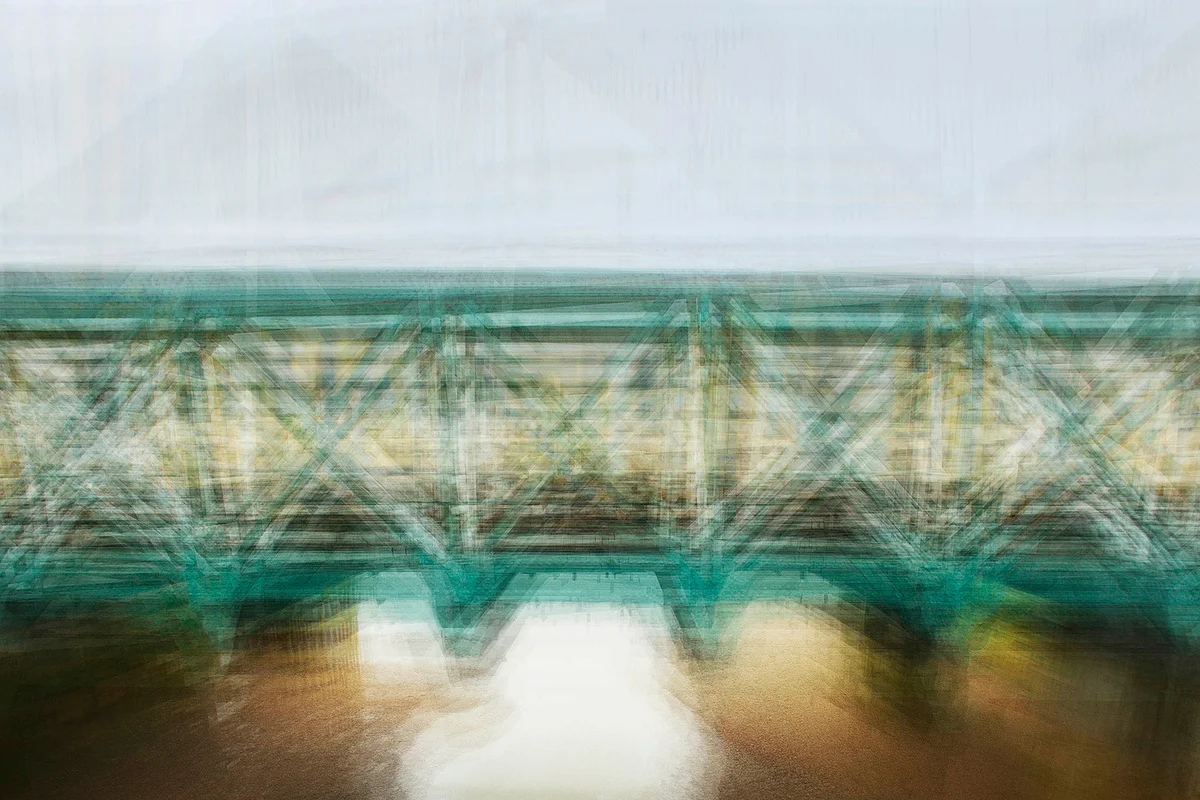
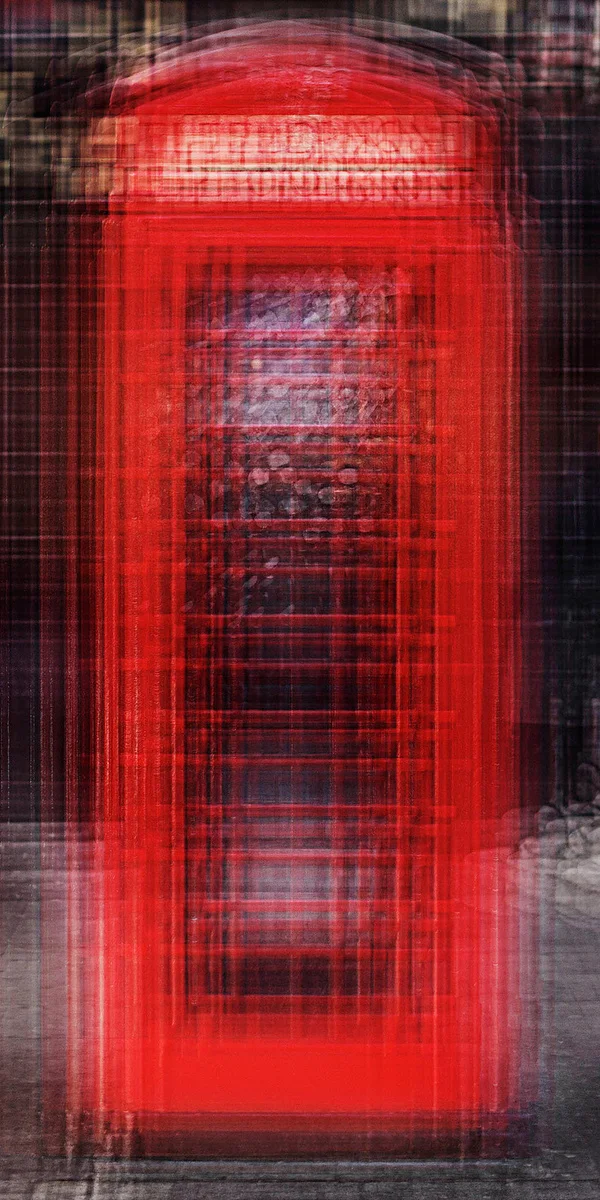
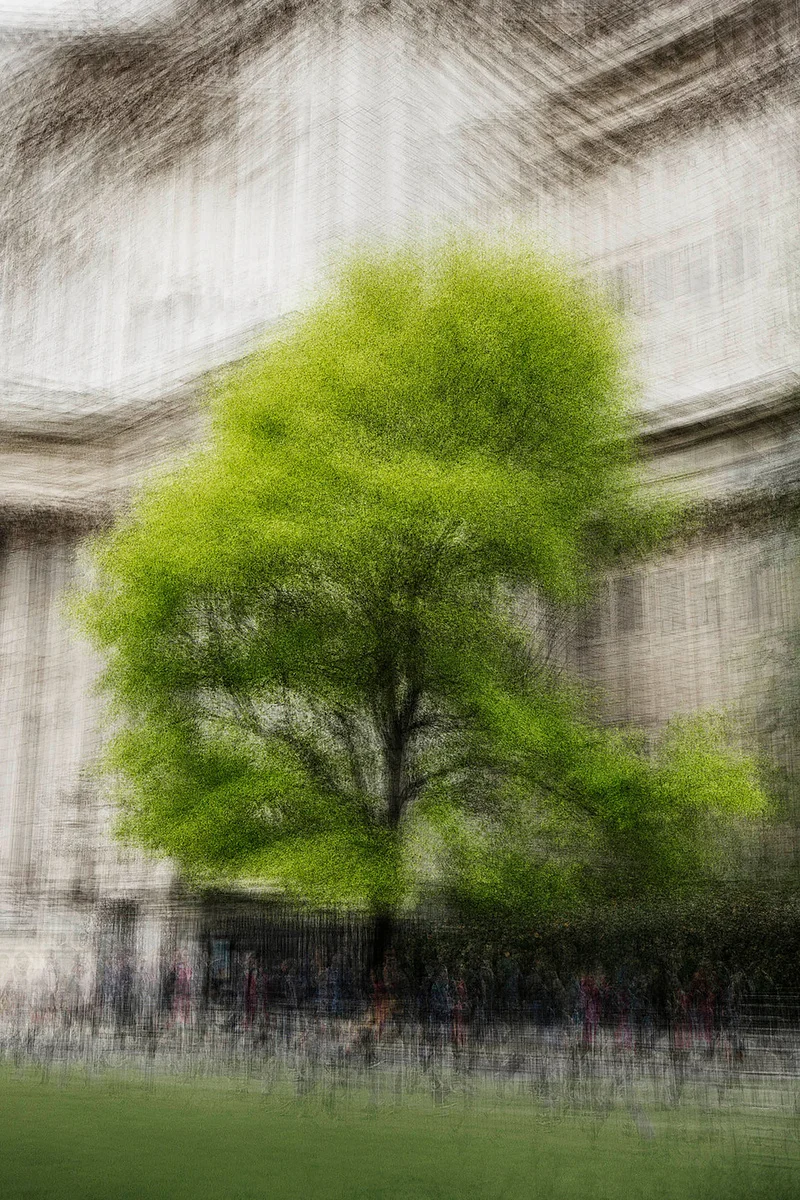
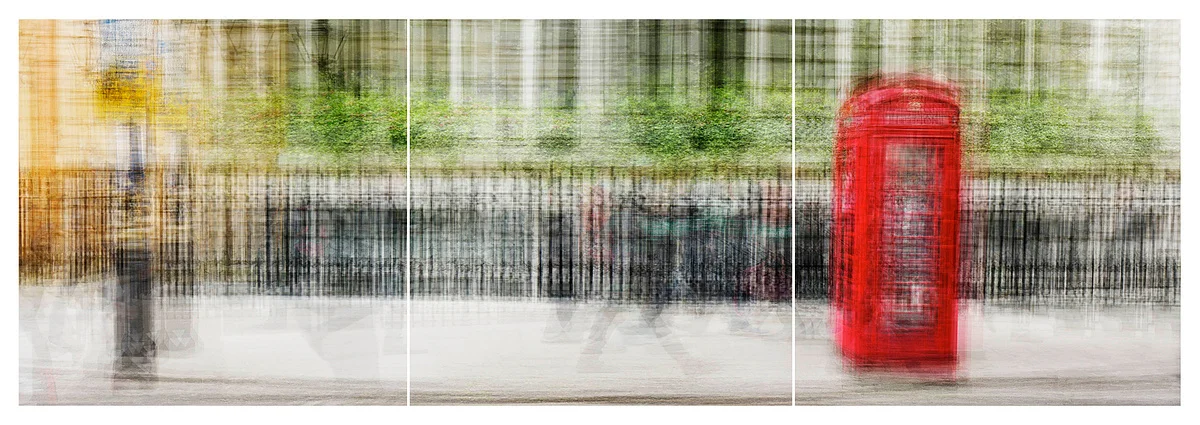
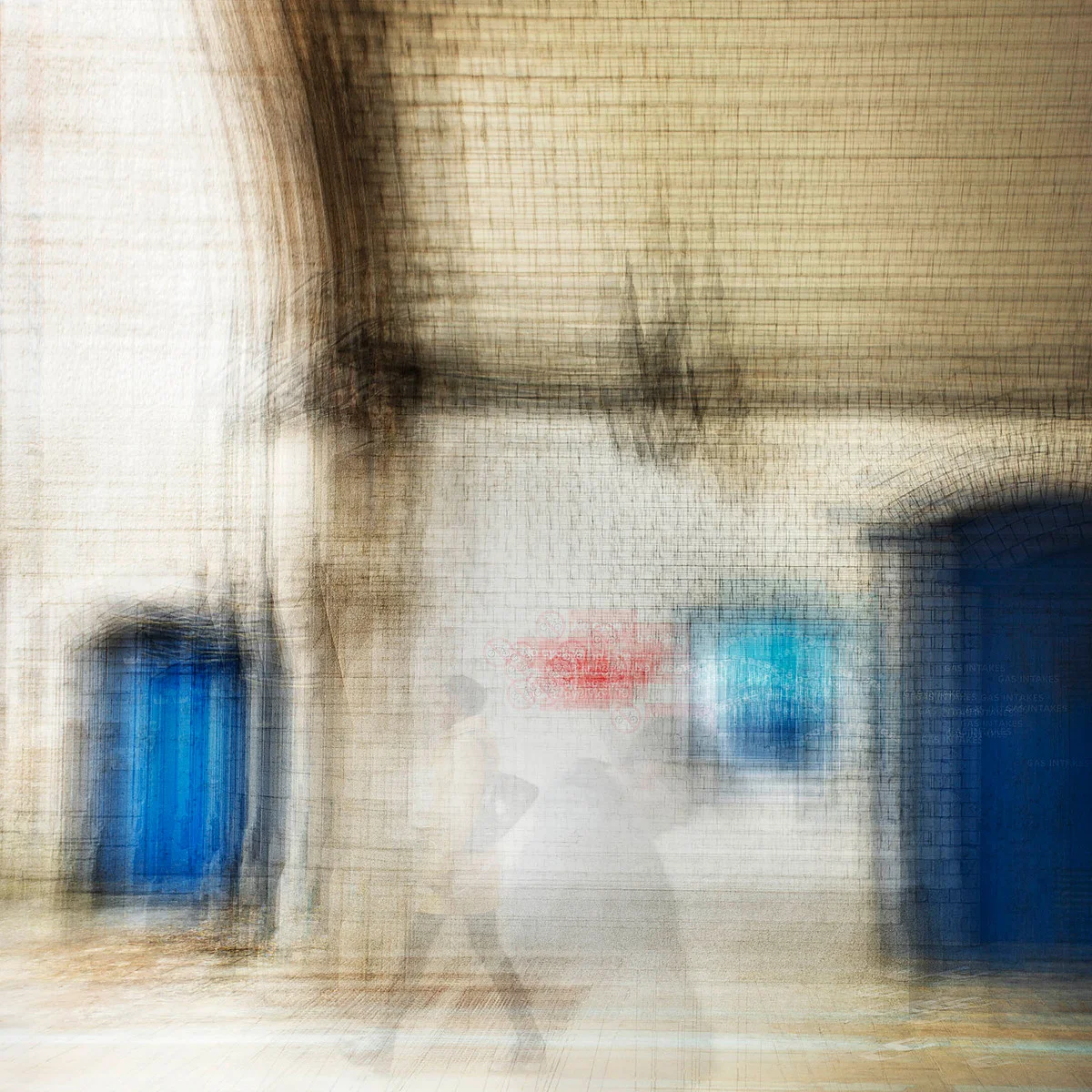
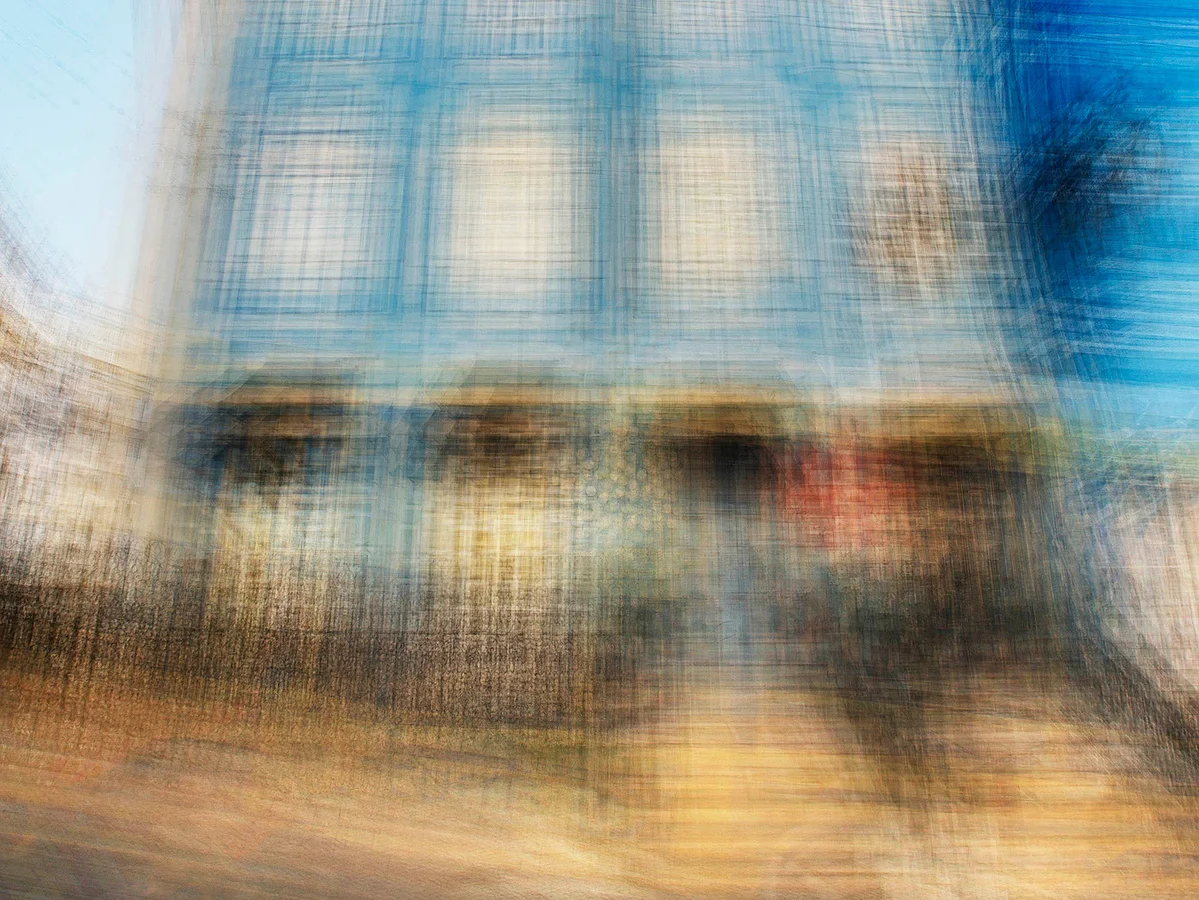
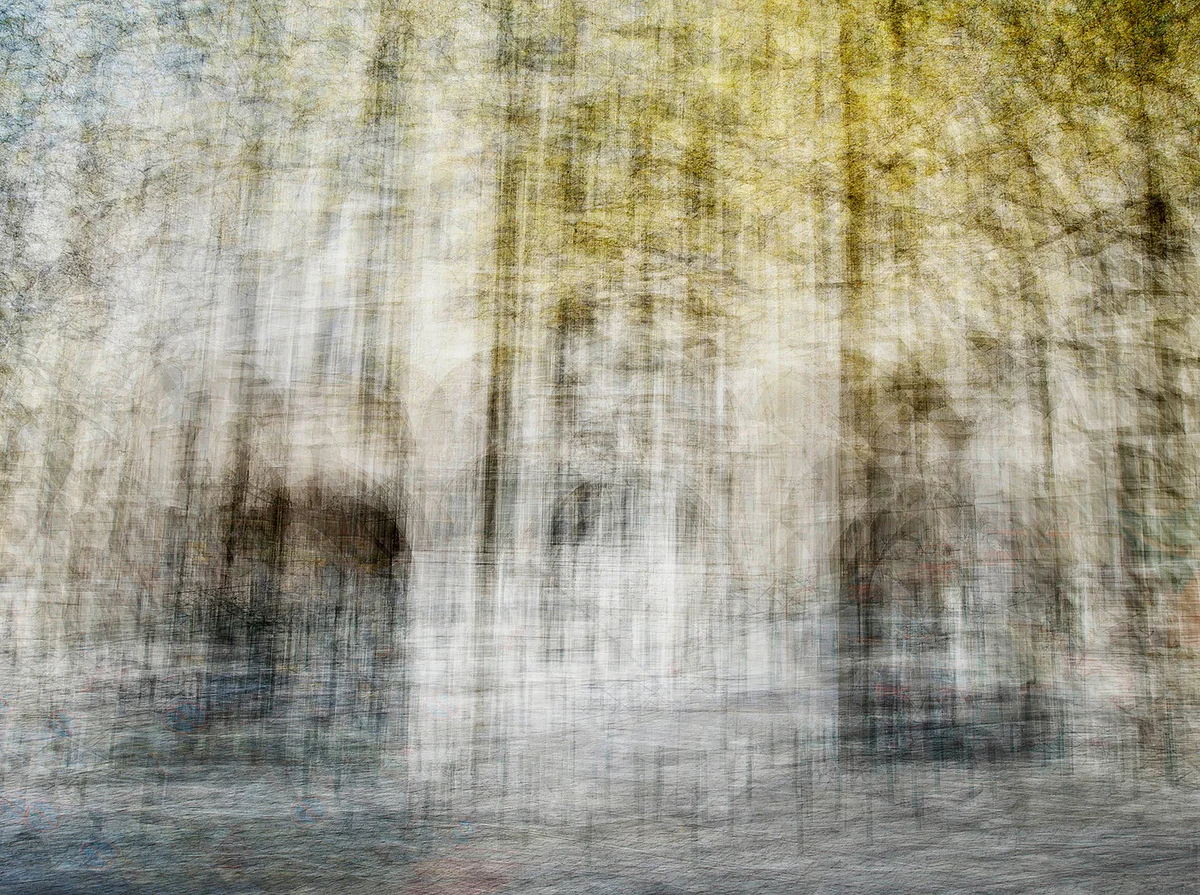
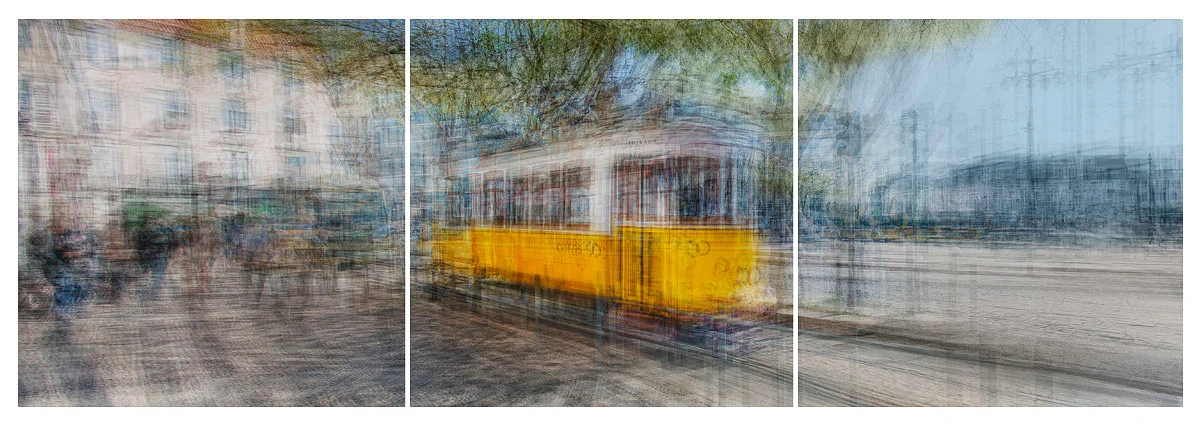
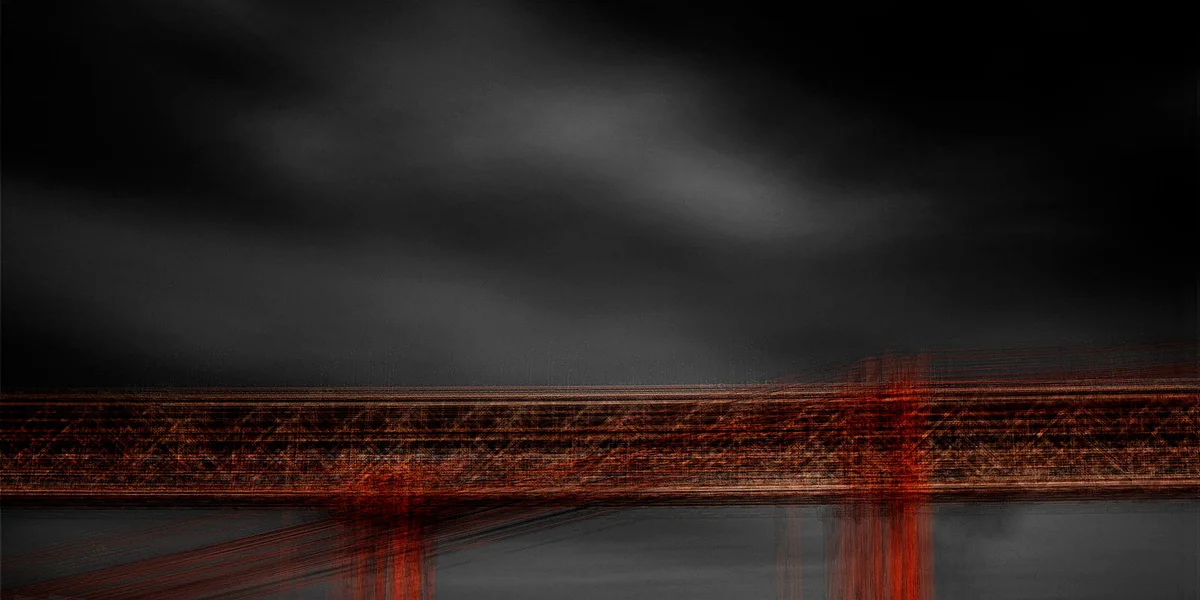
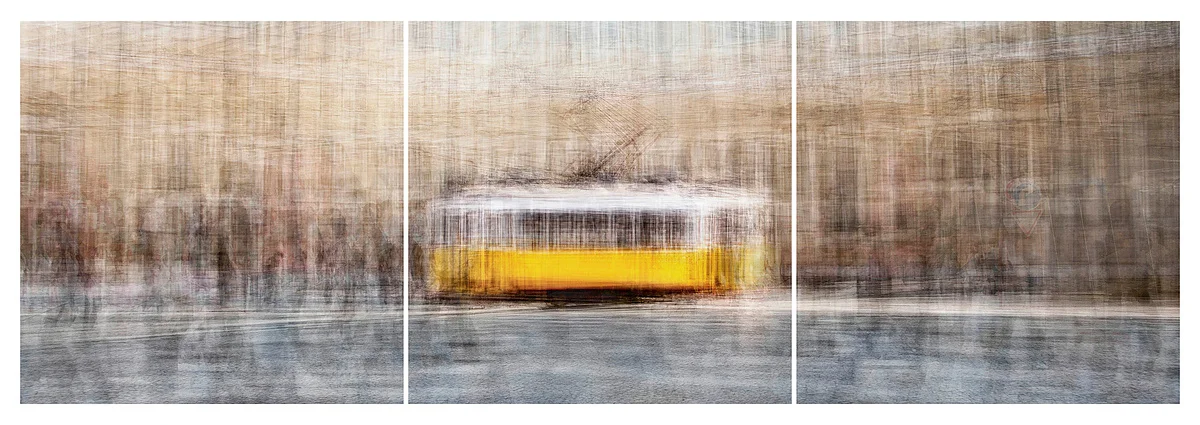
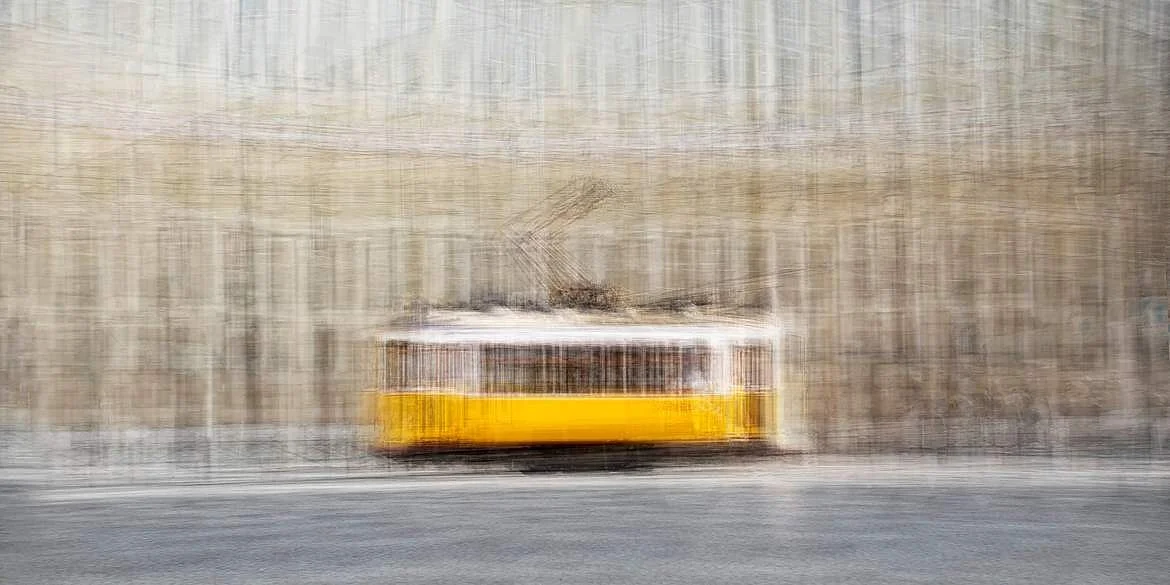
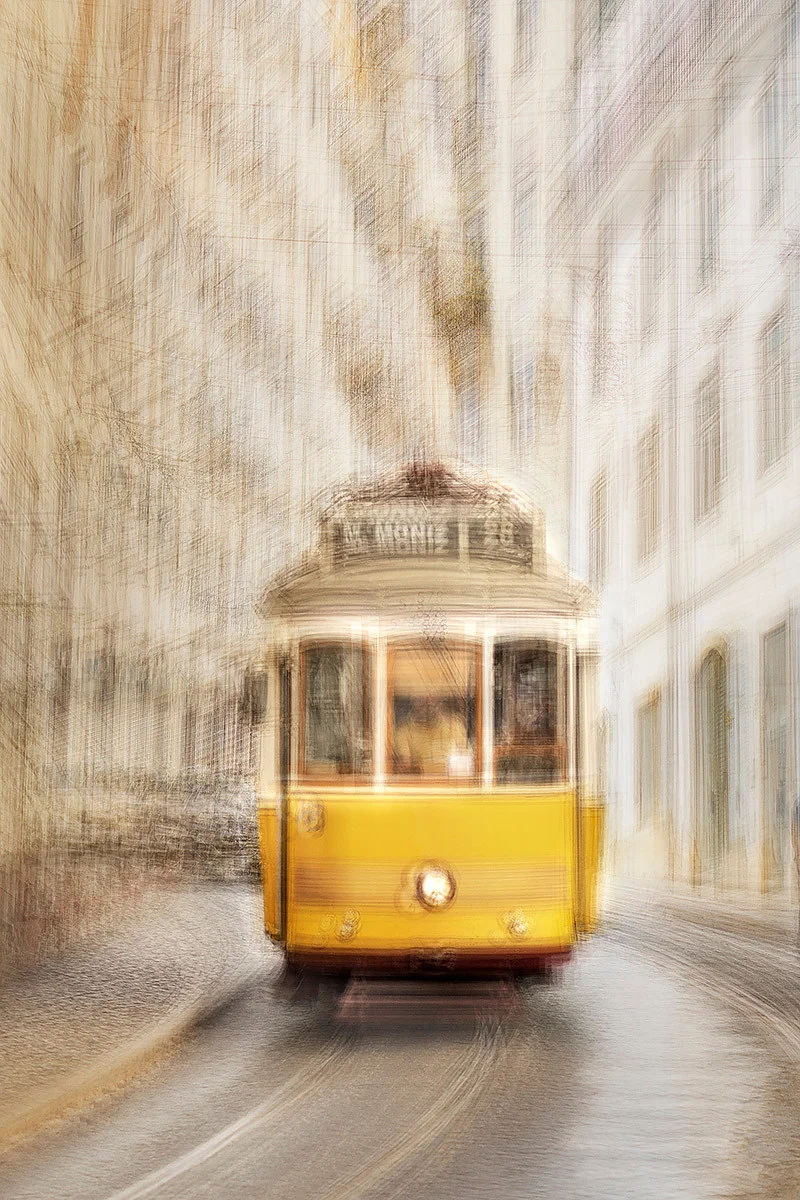
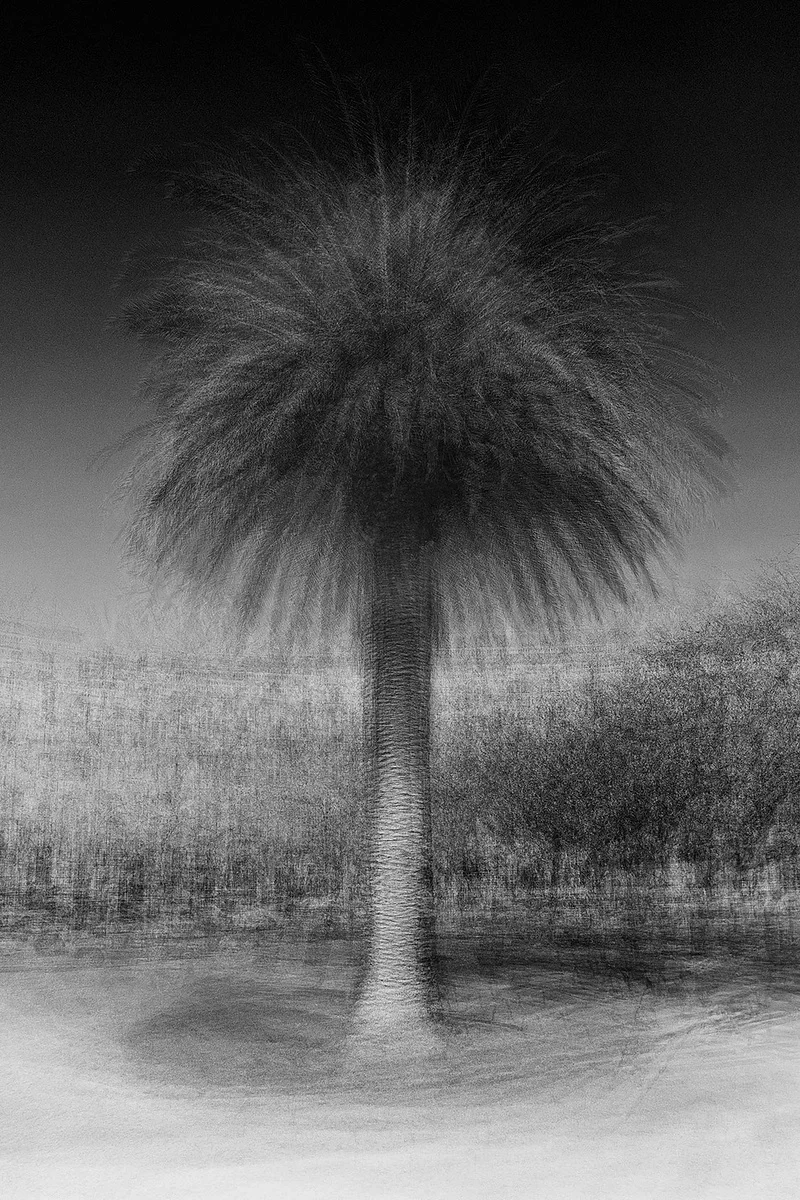
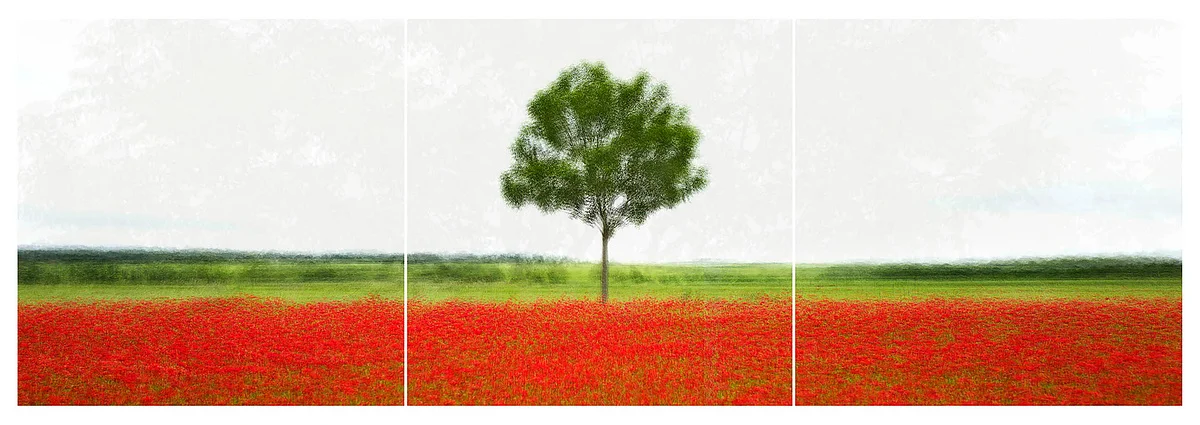
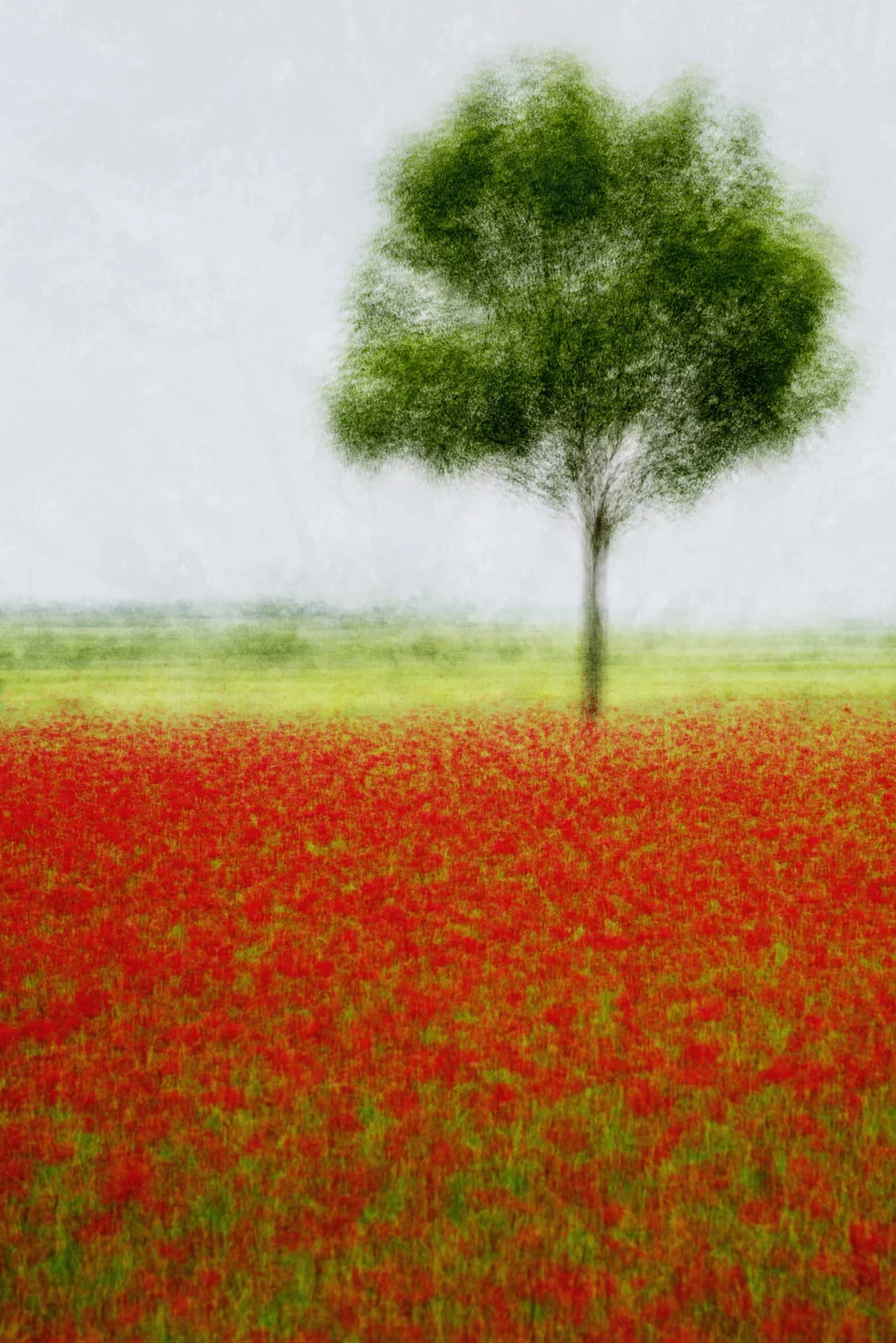
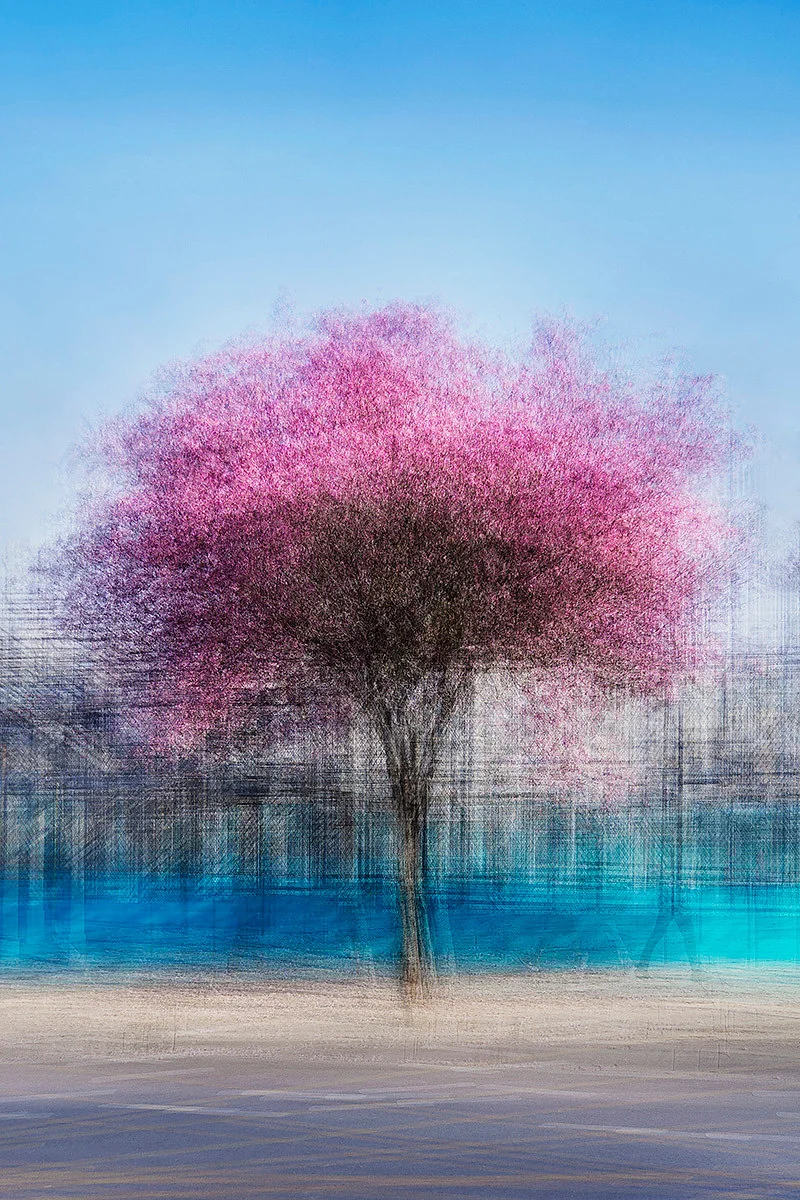
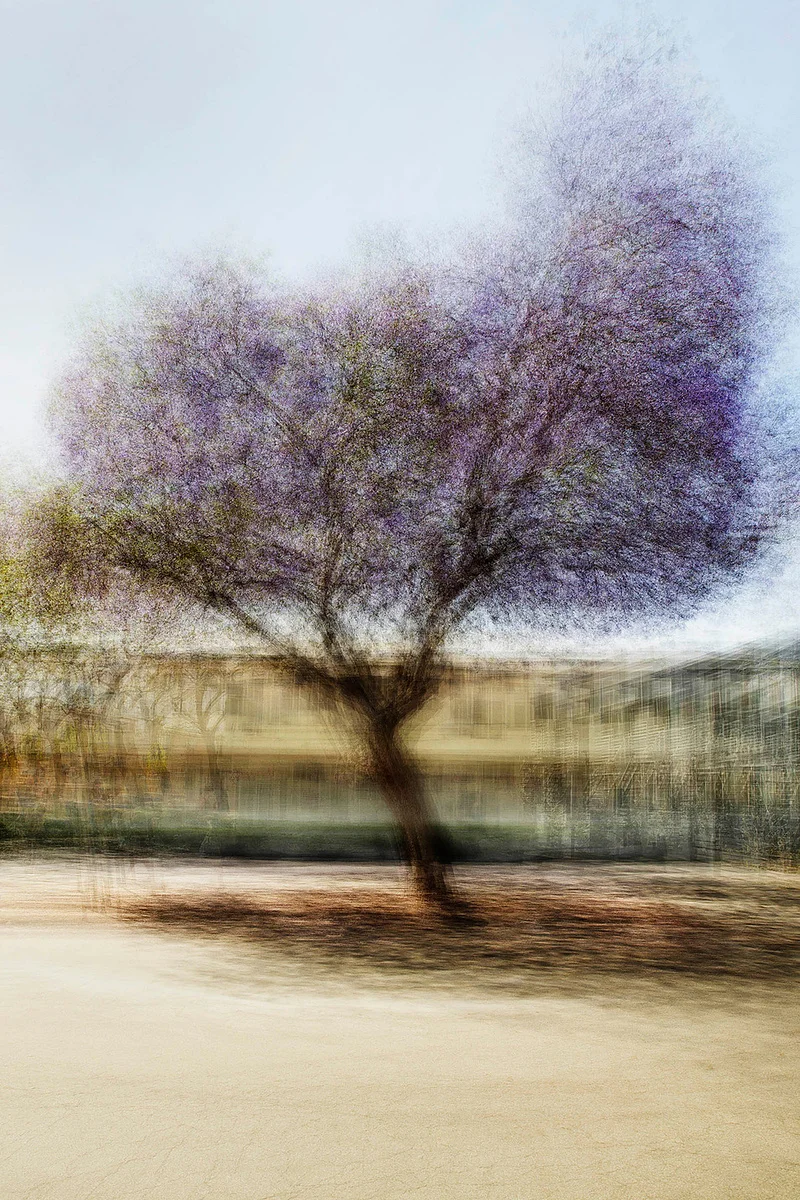
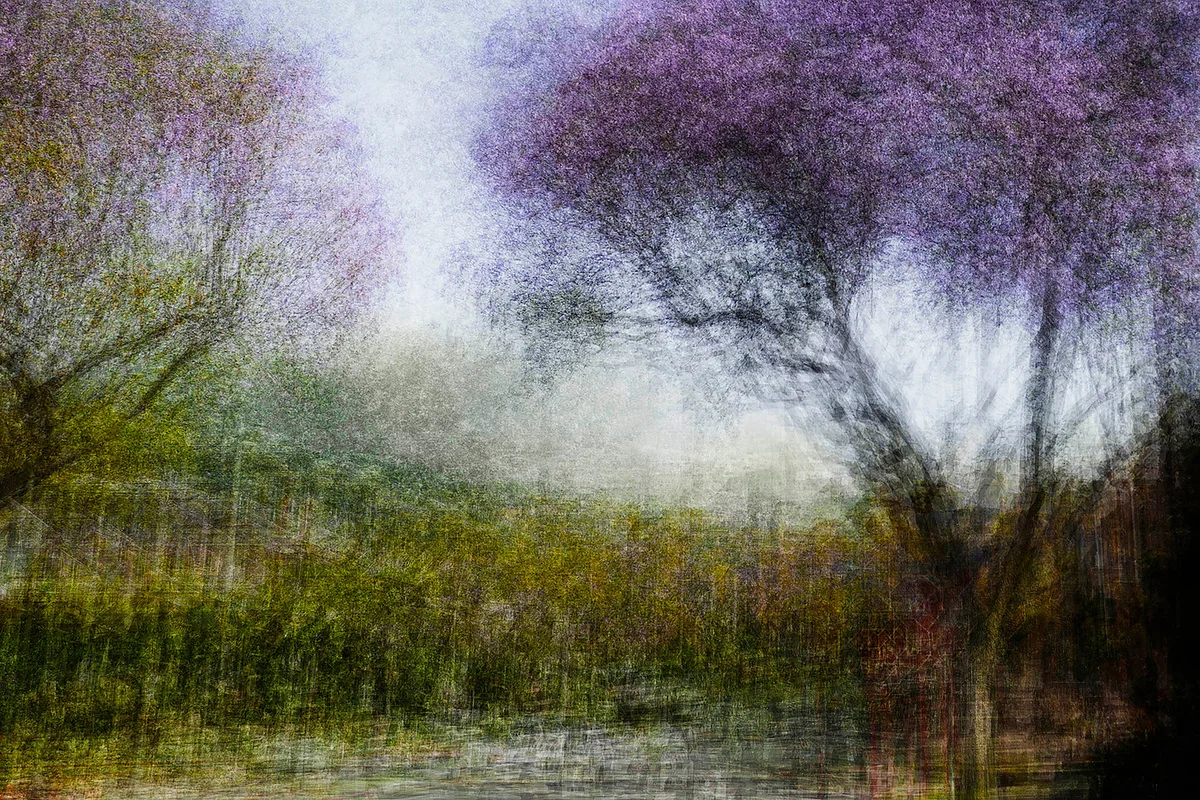
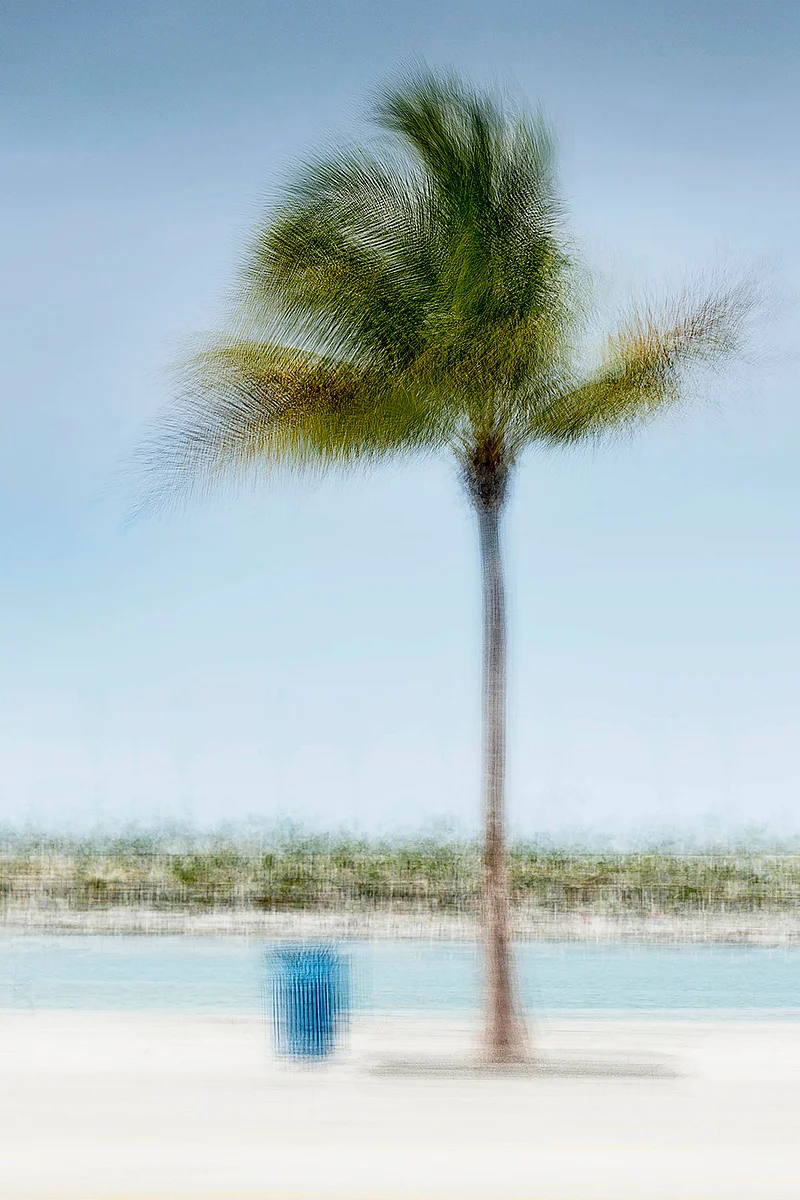
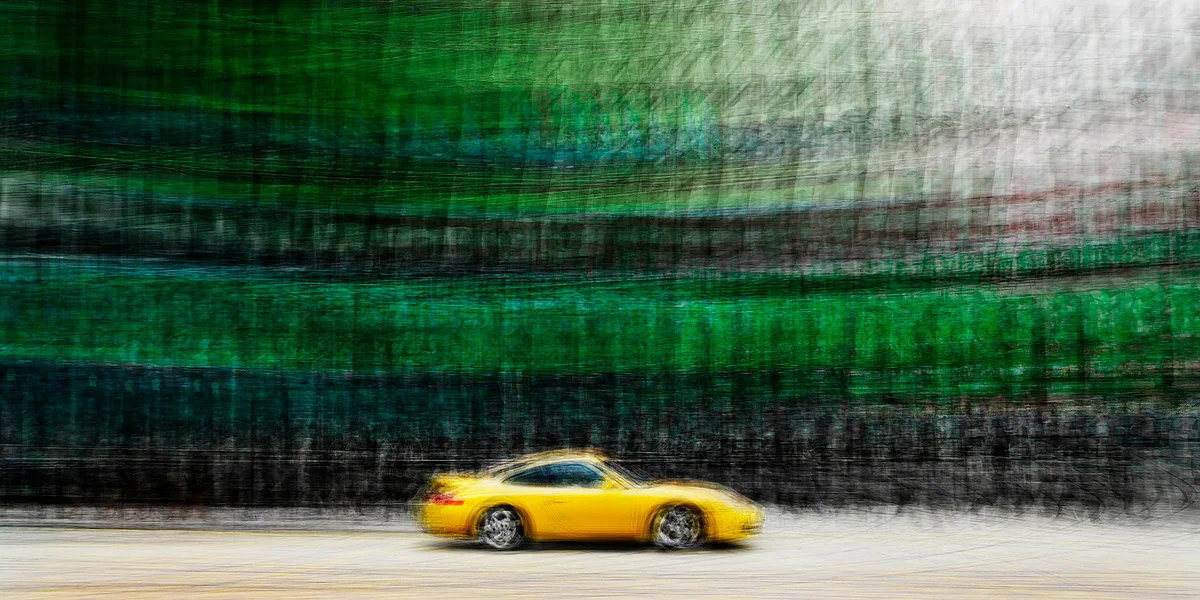
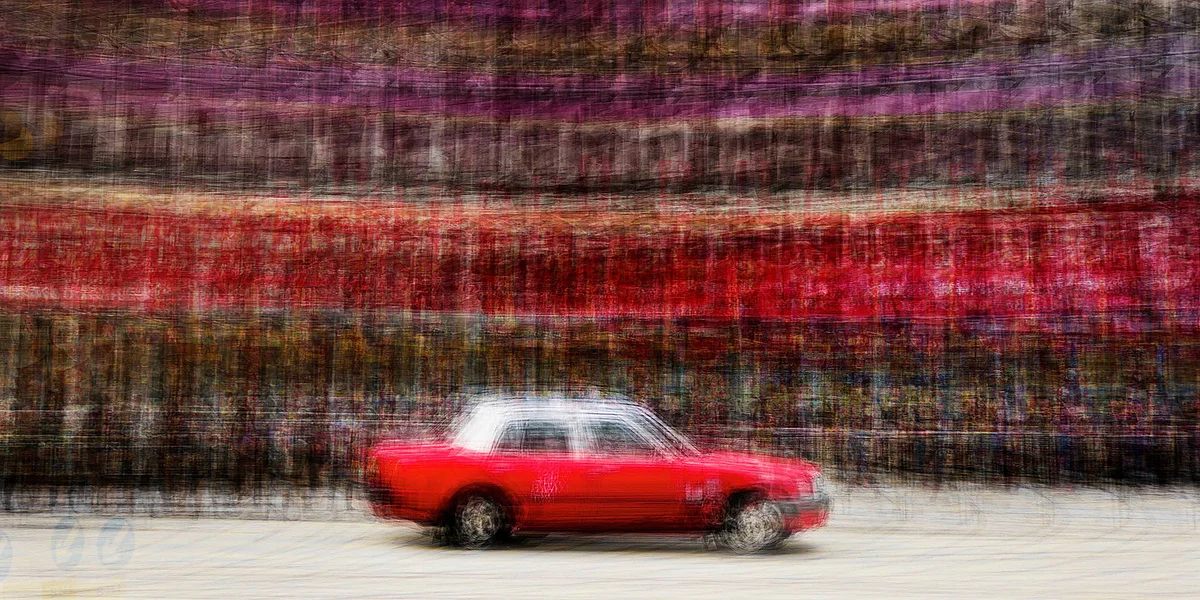
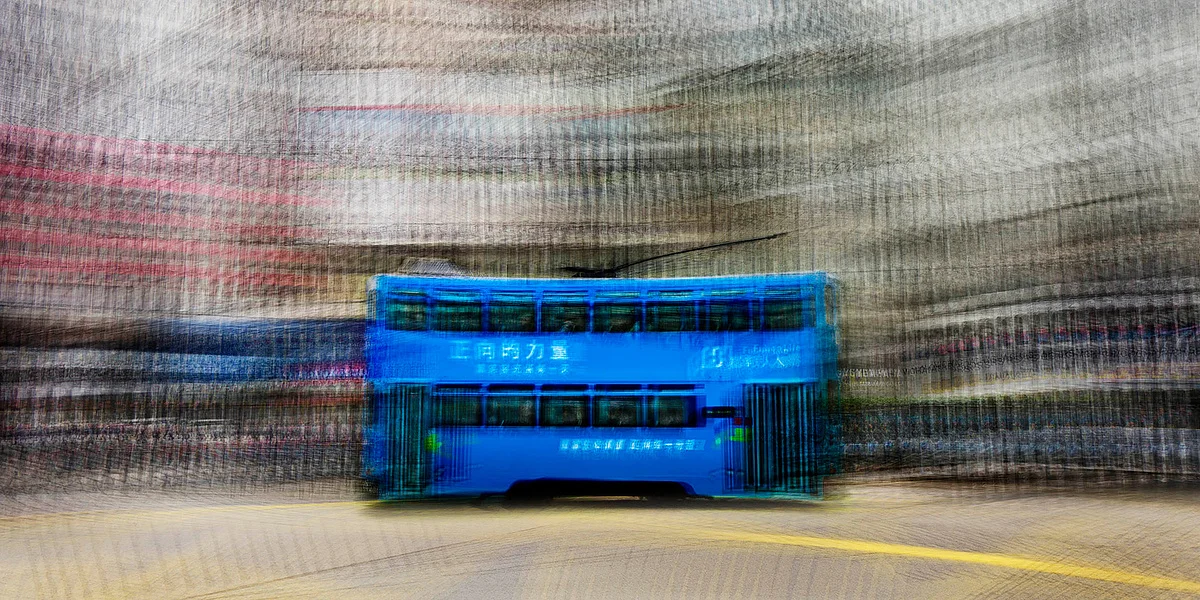
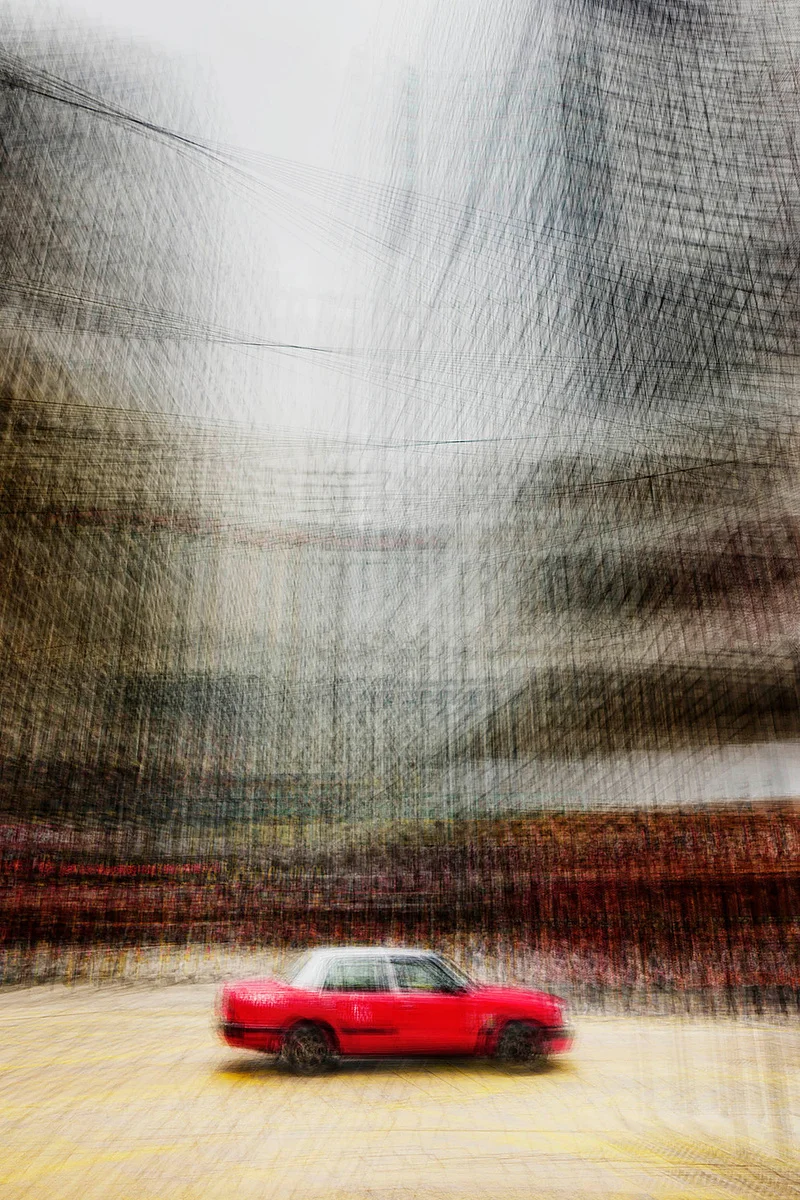
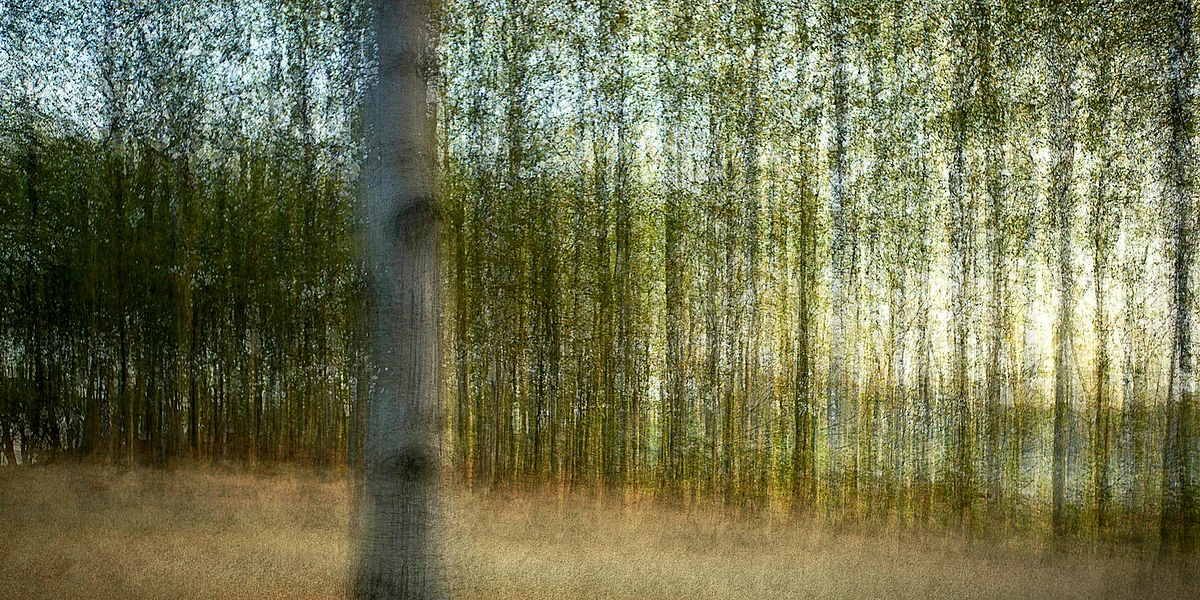
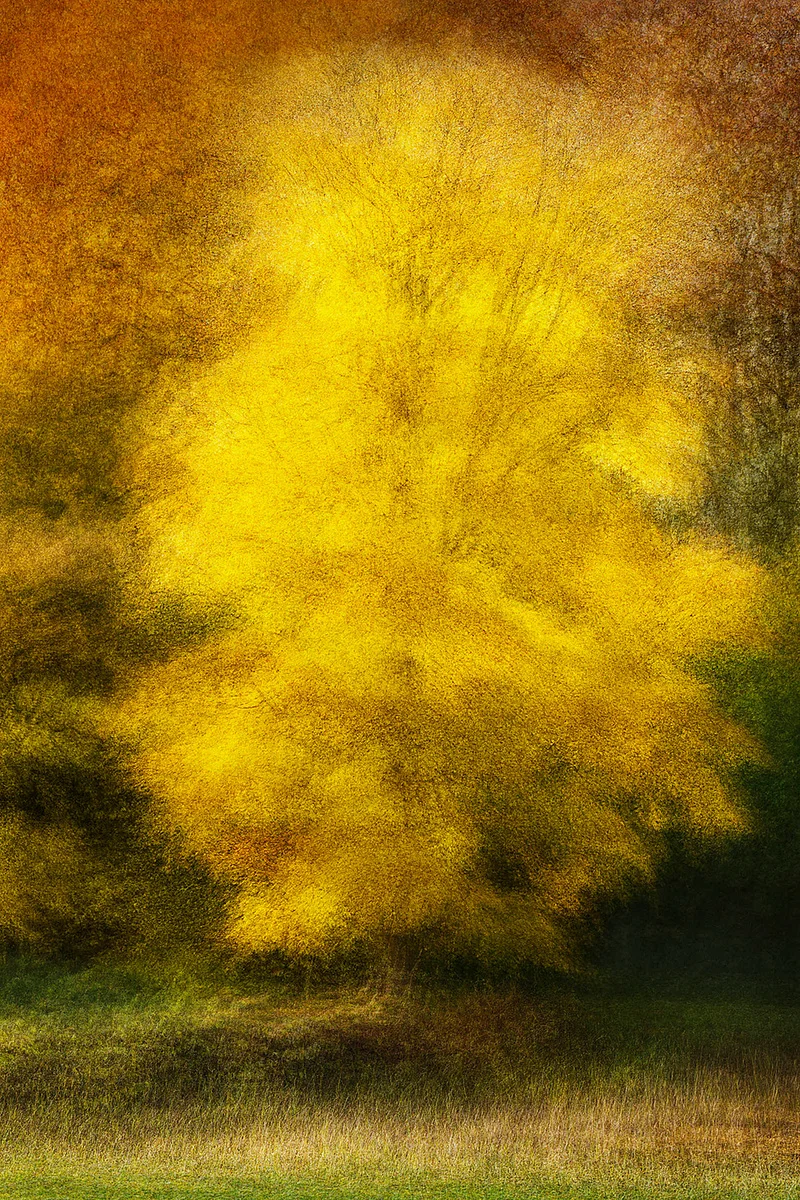
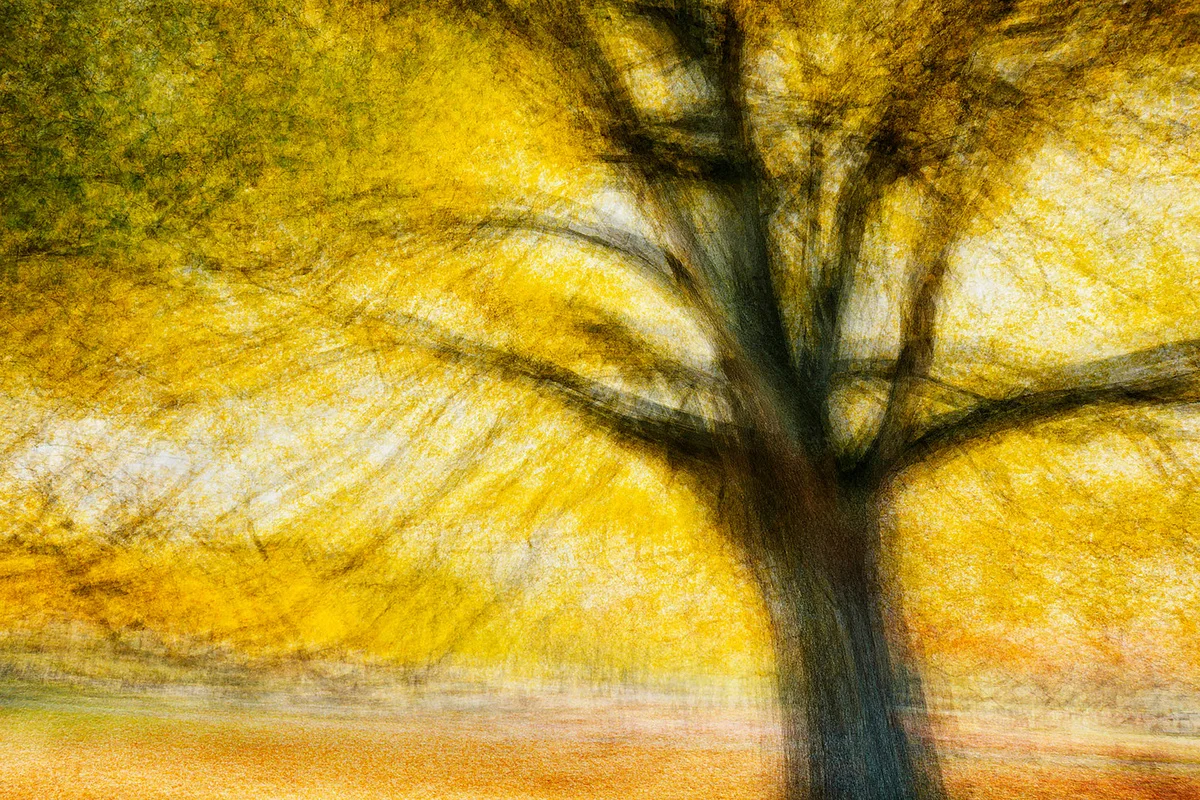
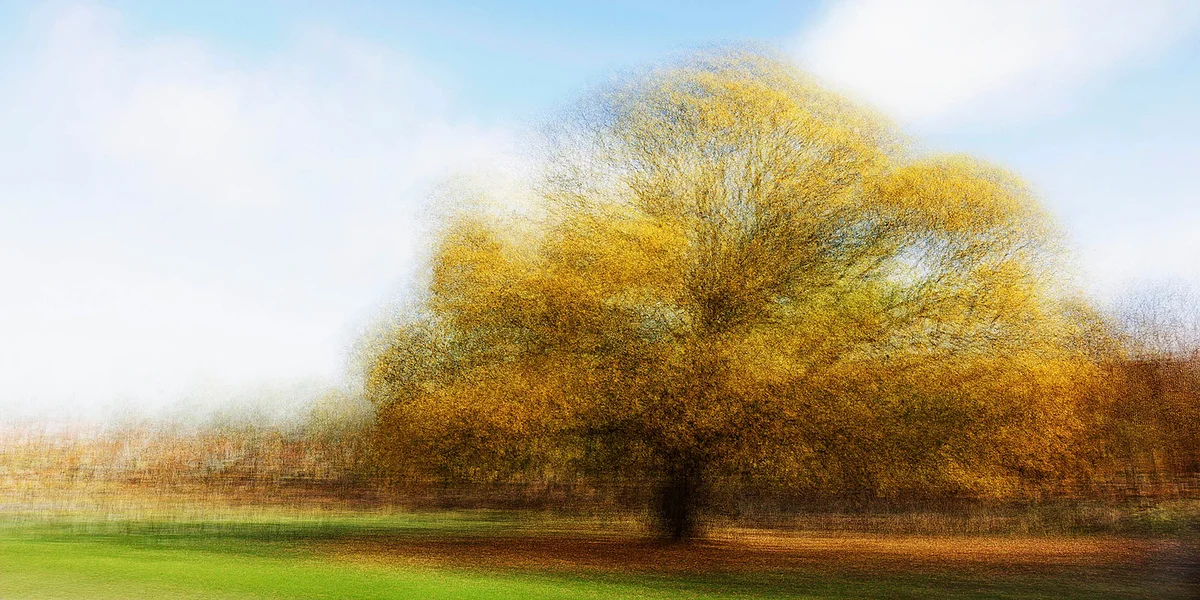
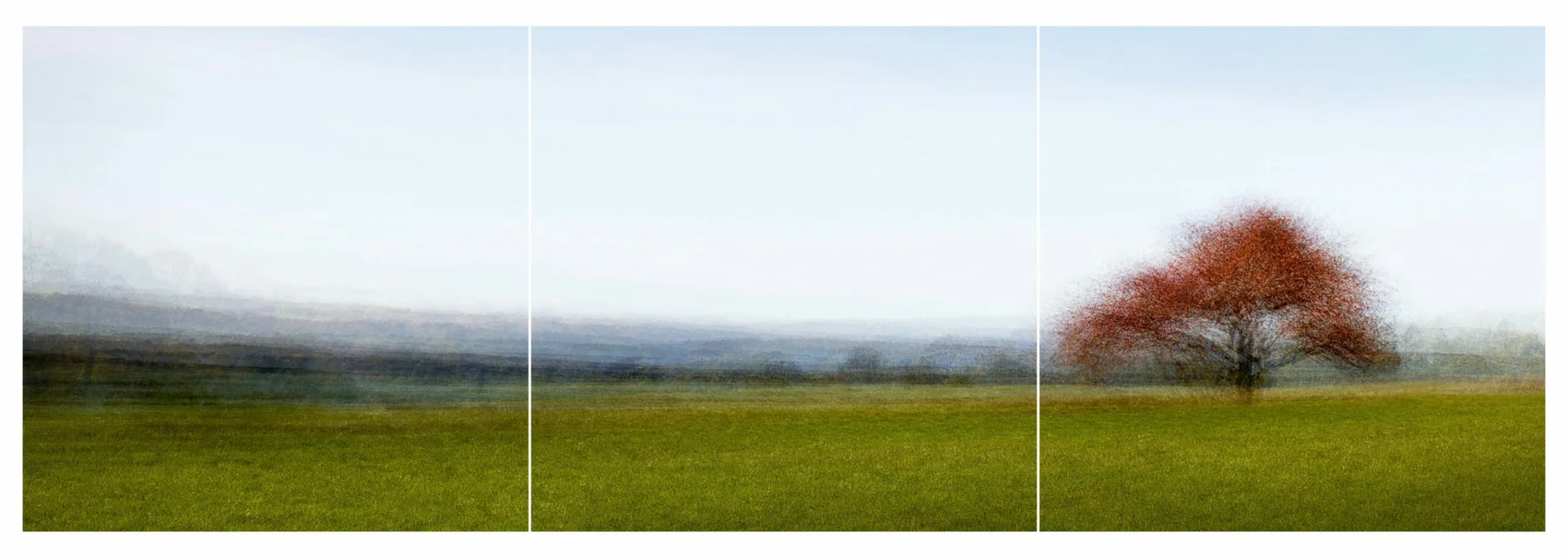
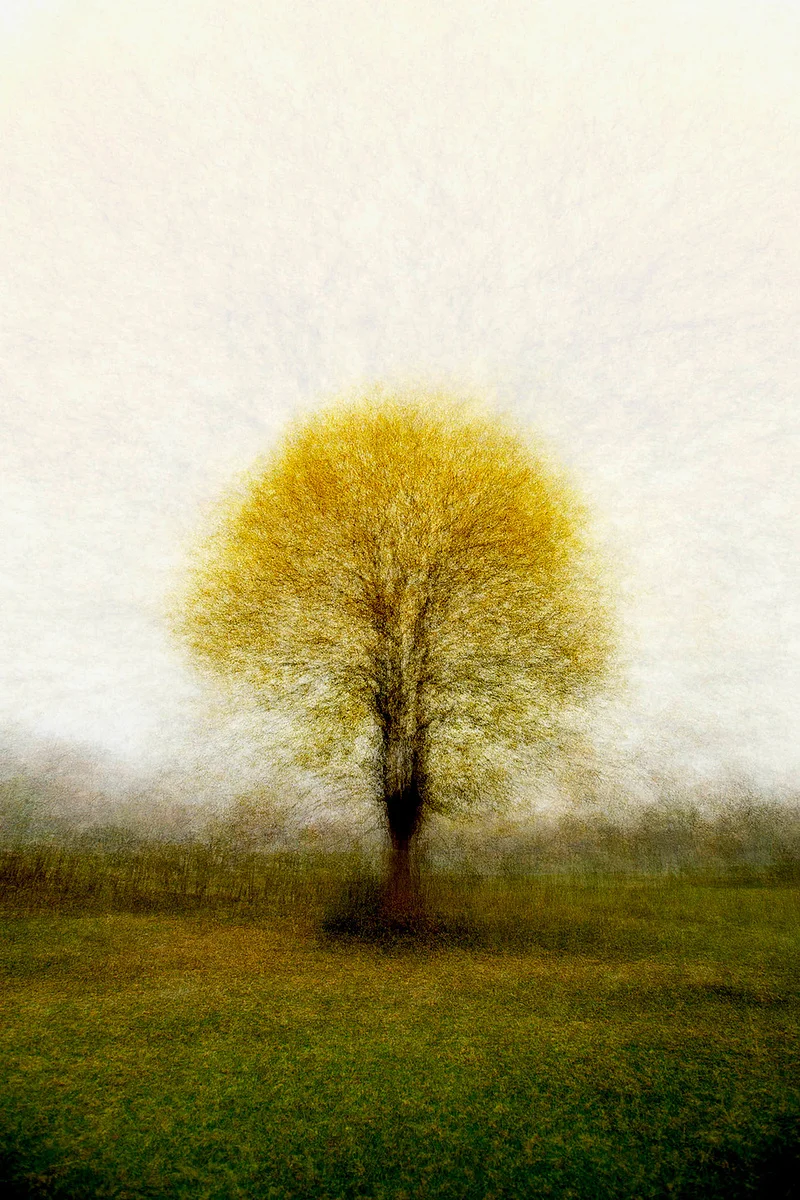
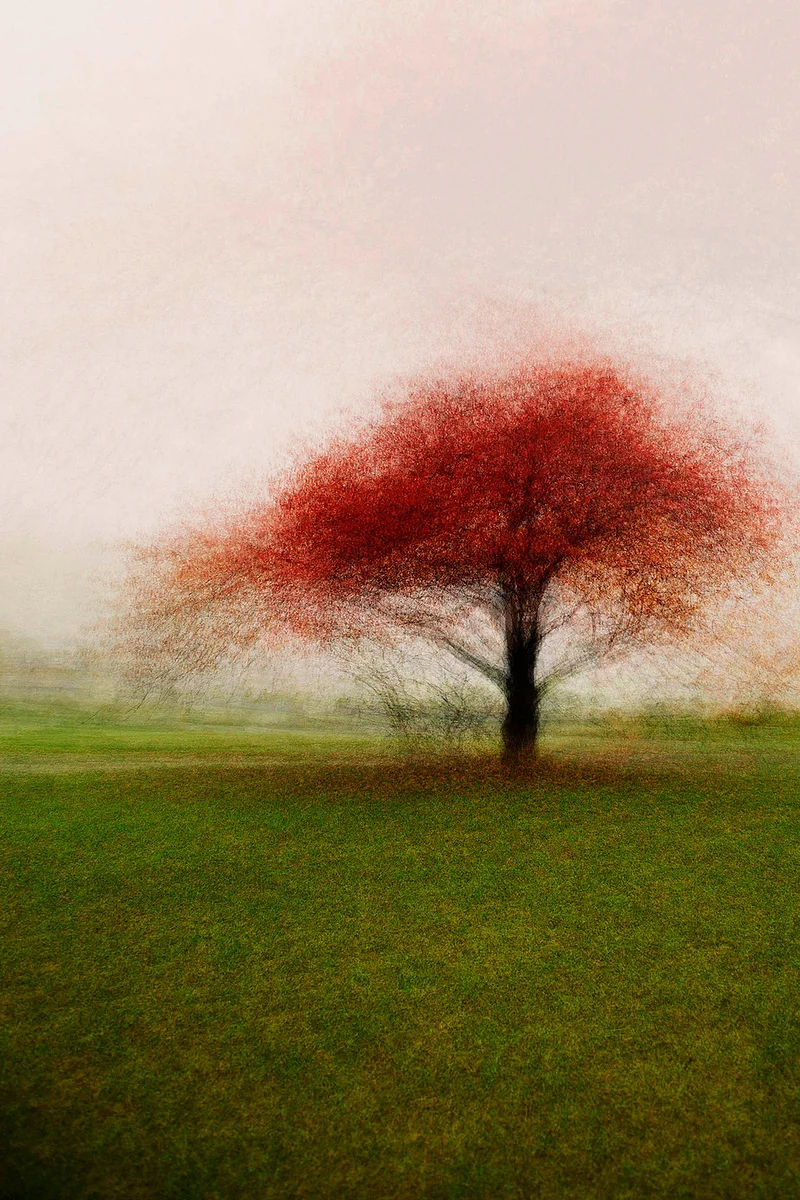
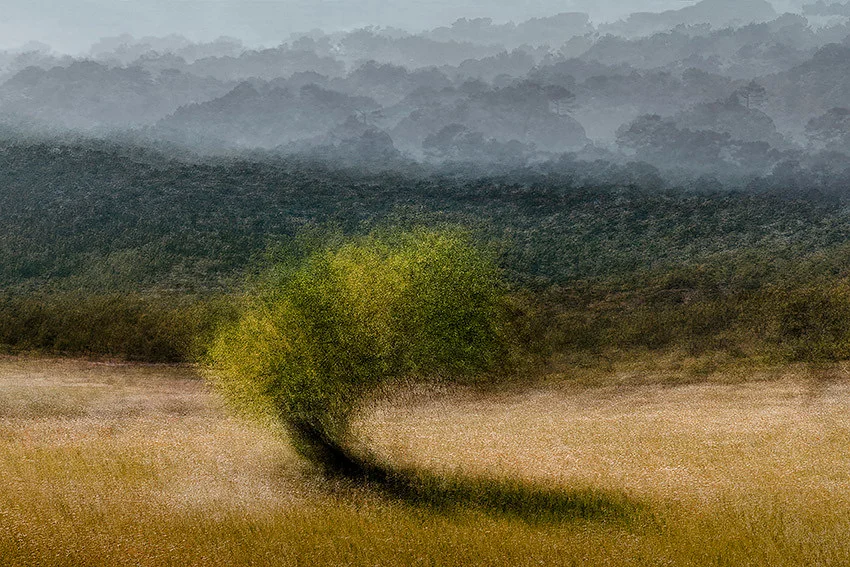
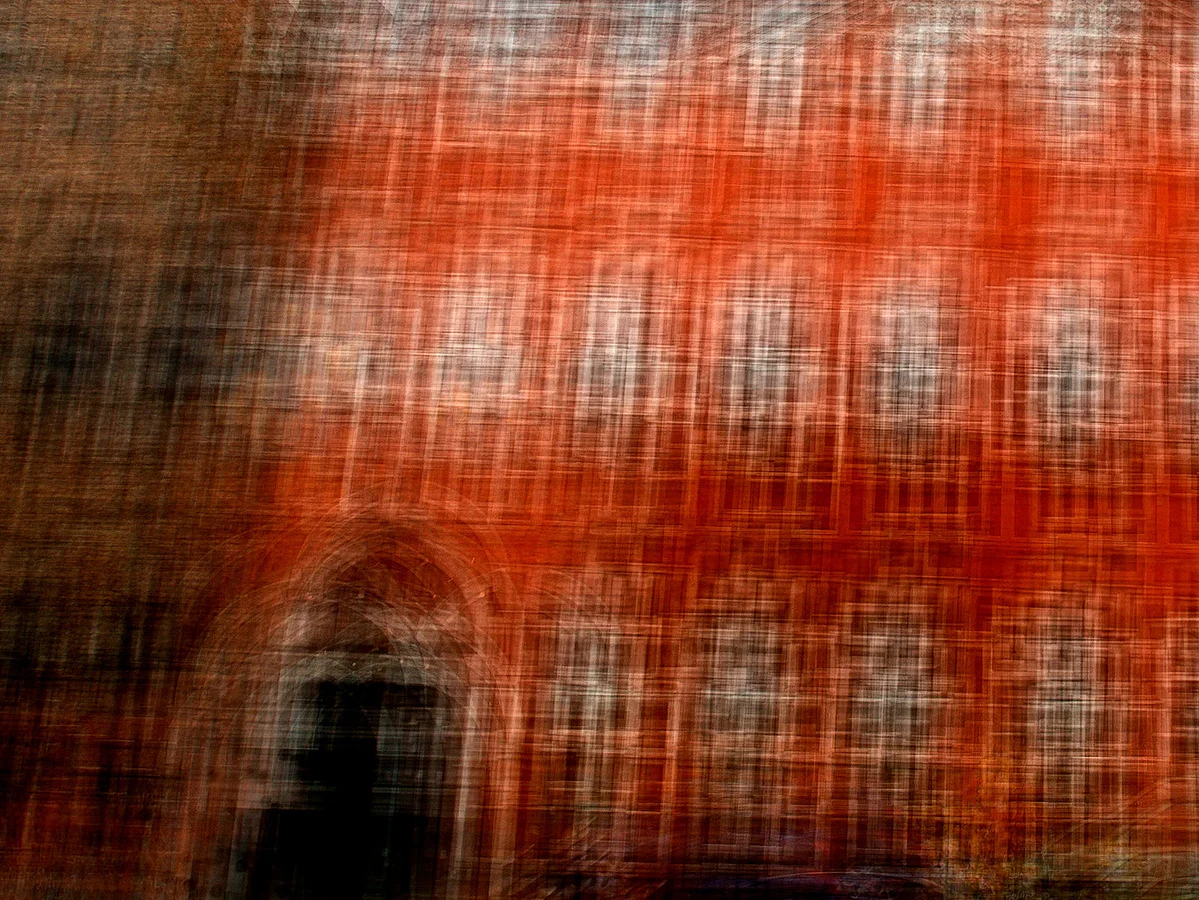
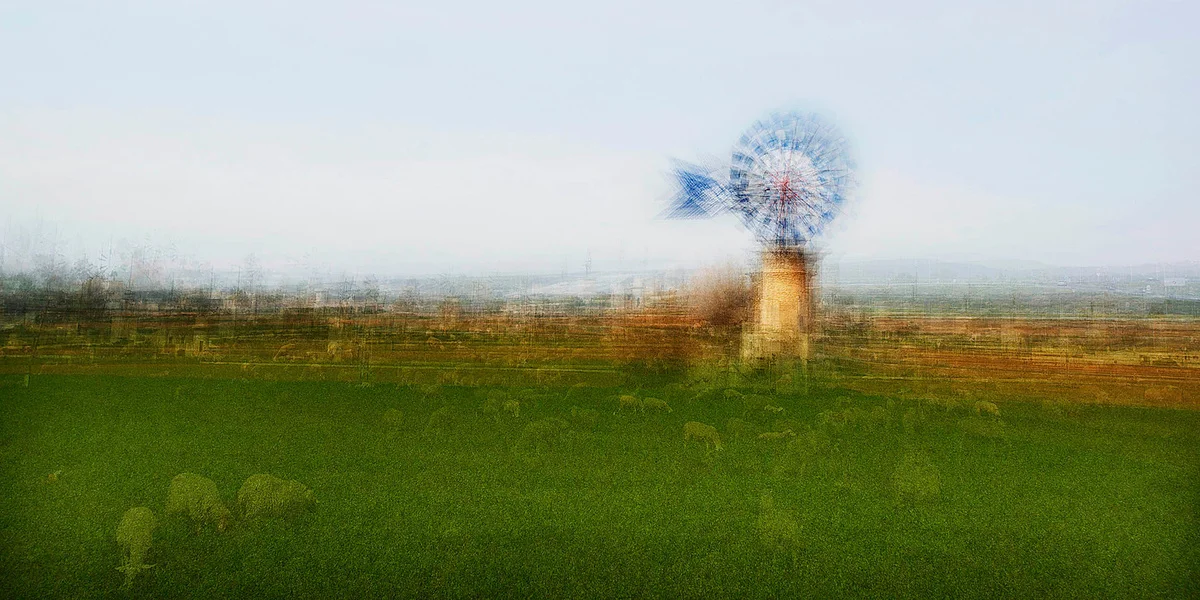
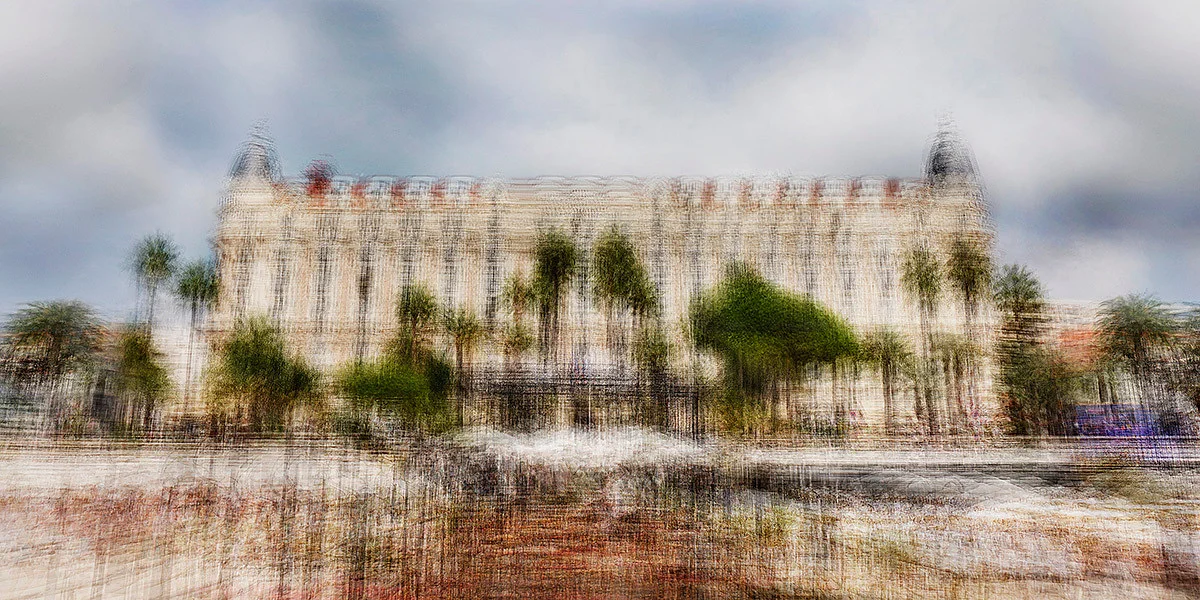
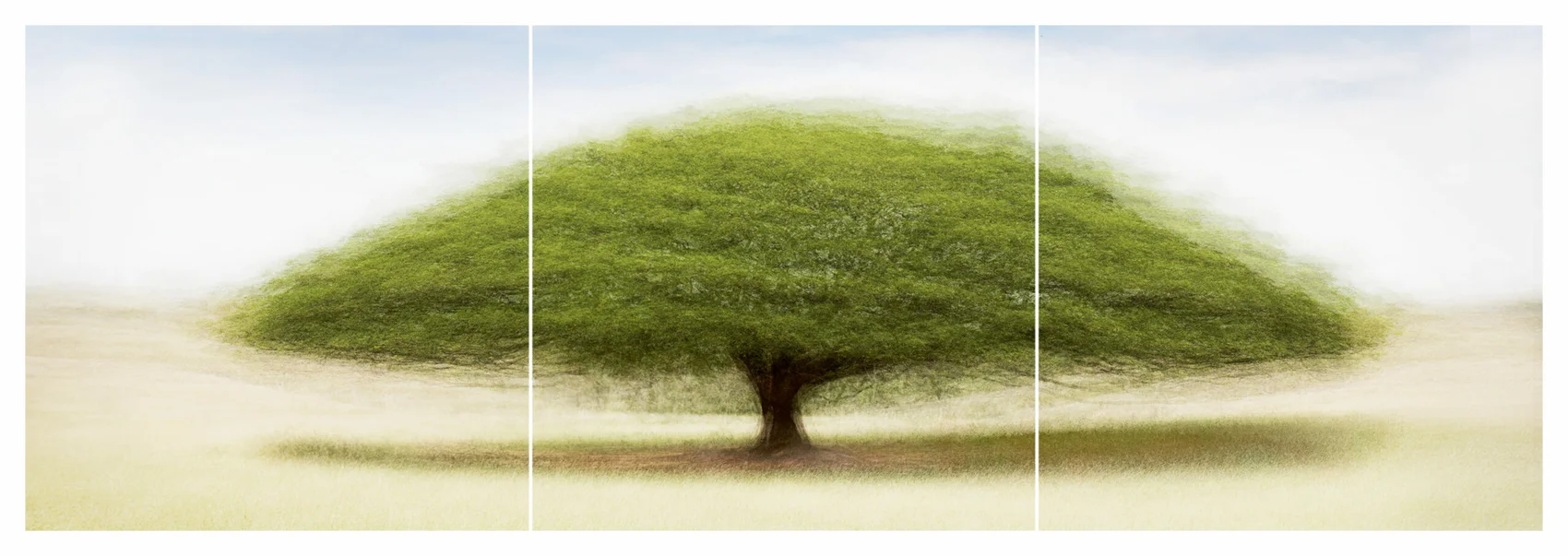
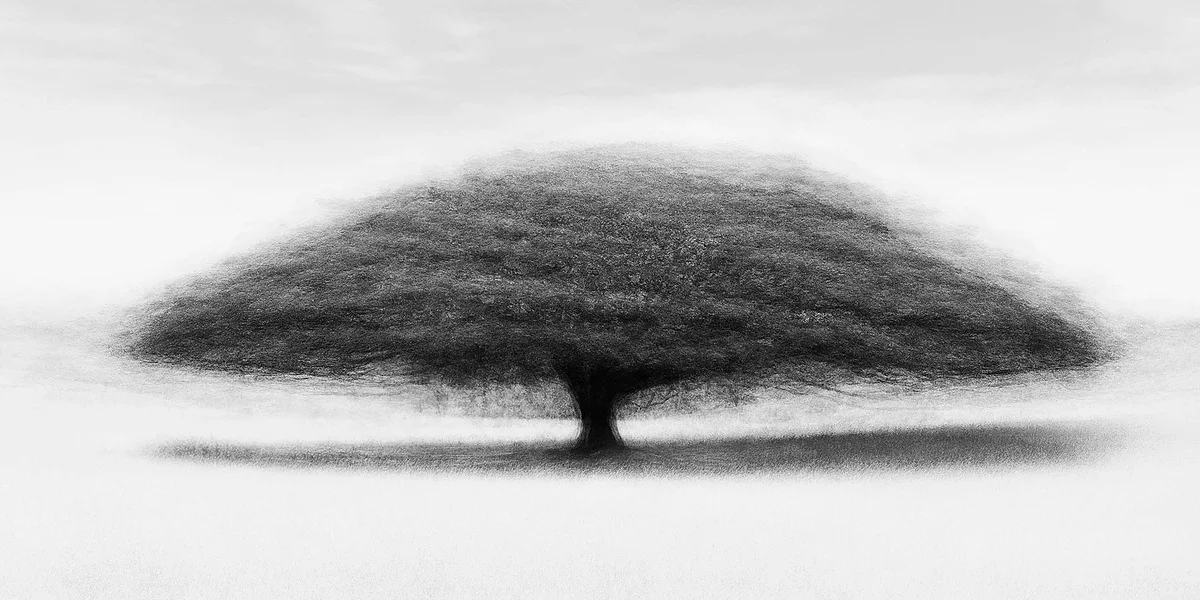
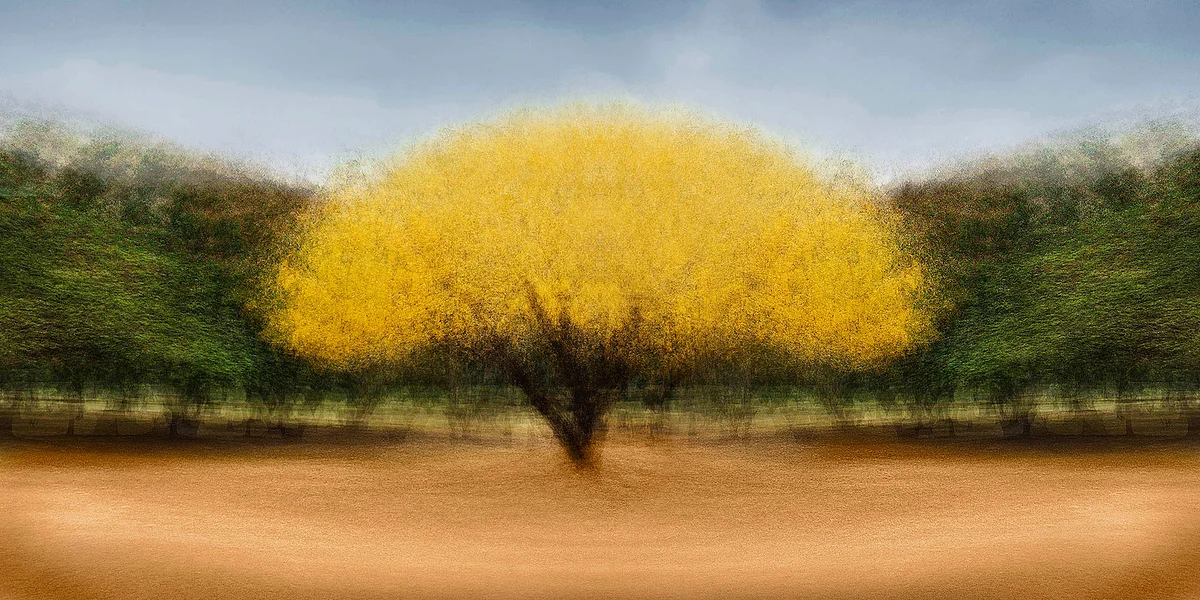
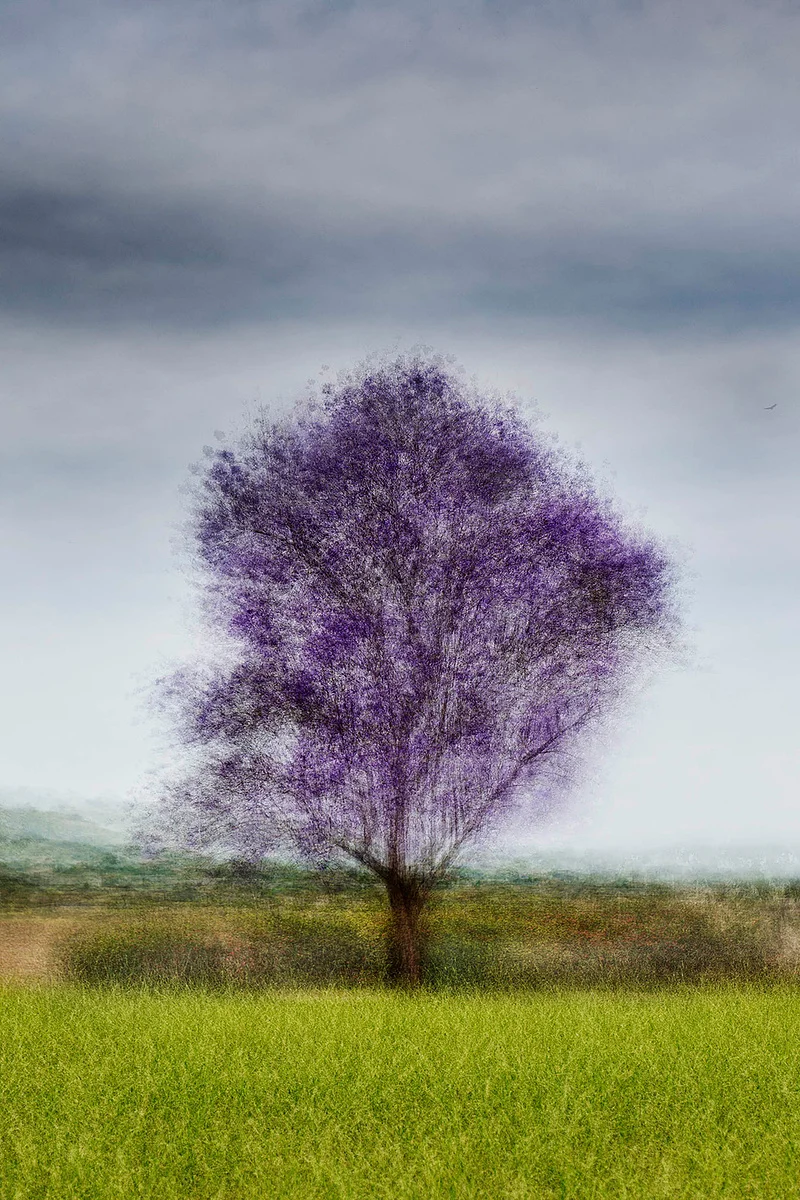
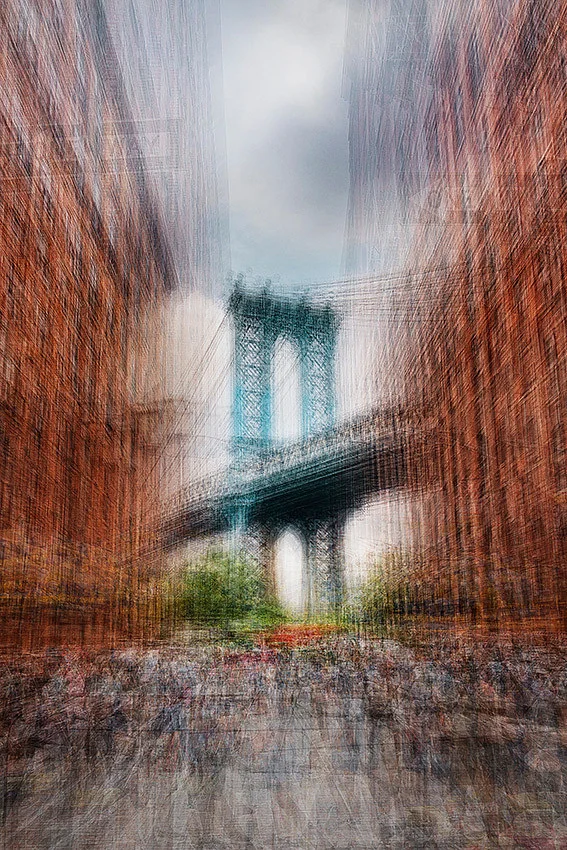
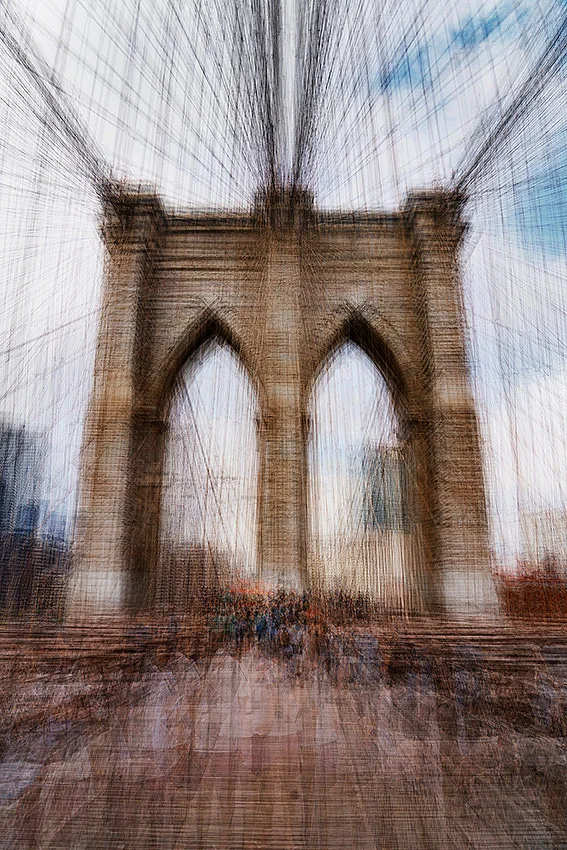
Movement is a series which combines a strong aesthetical point of view with meticulous attention to technical detail. As the title indicates, the series is concerned with giving shape to temporal and spatial aspects inherent in all visual experience.
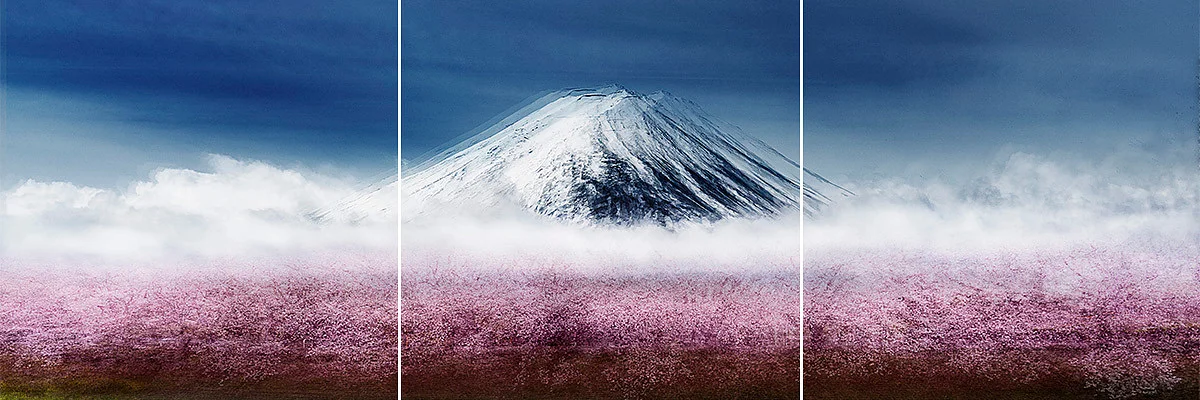
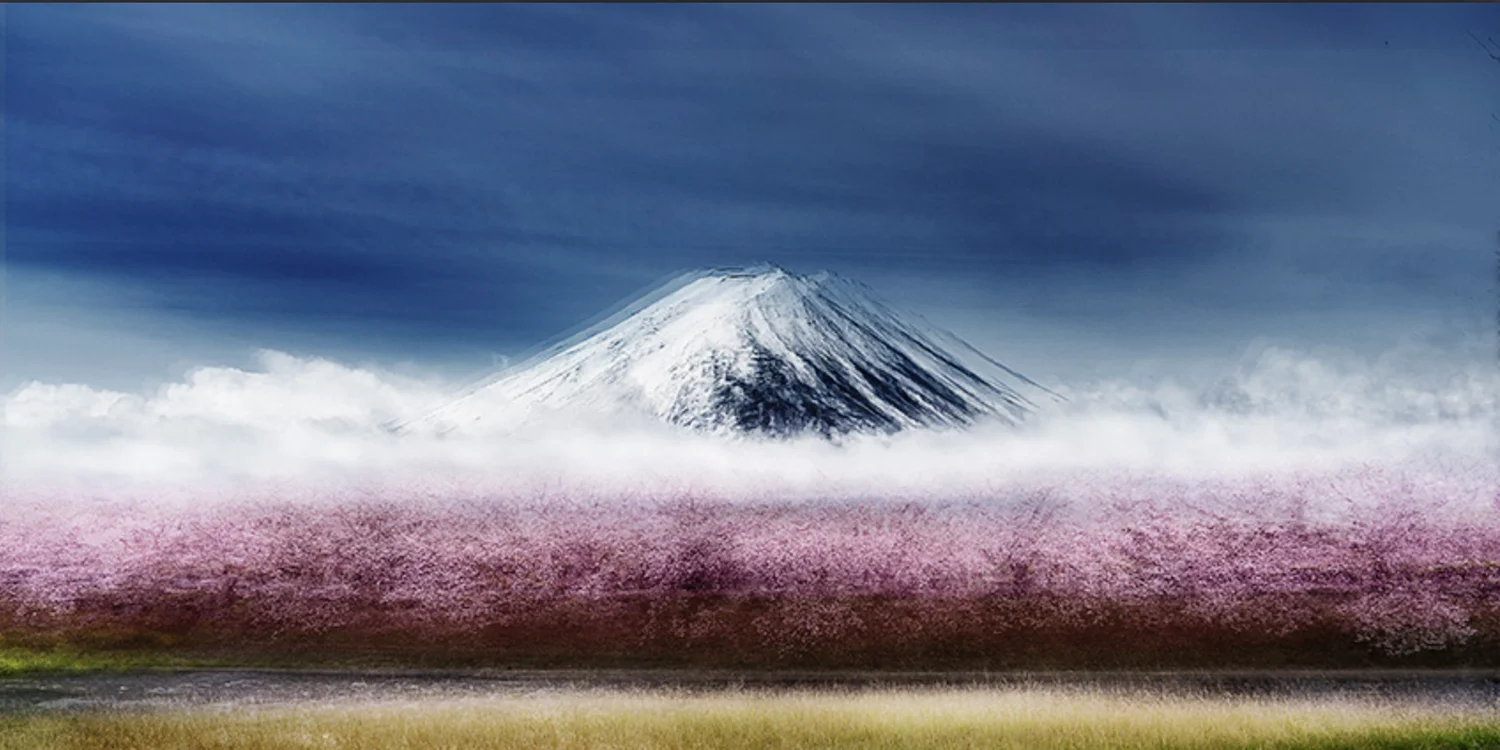
Transfer series are polaroids transferred onto watercolour paper. Through this technique a particularly atmospheric and dreamy mood arises. Upon closer inspection, however, the eye begins to decode that in these works there are real places depicted, all with their special characteristics.