
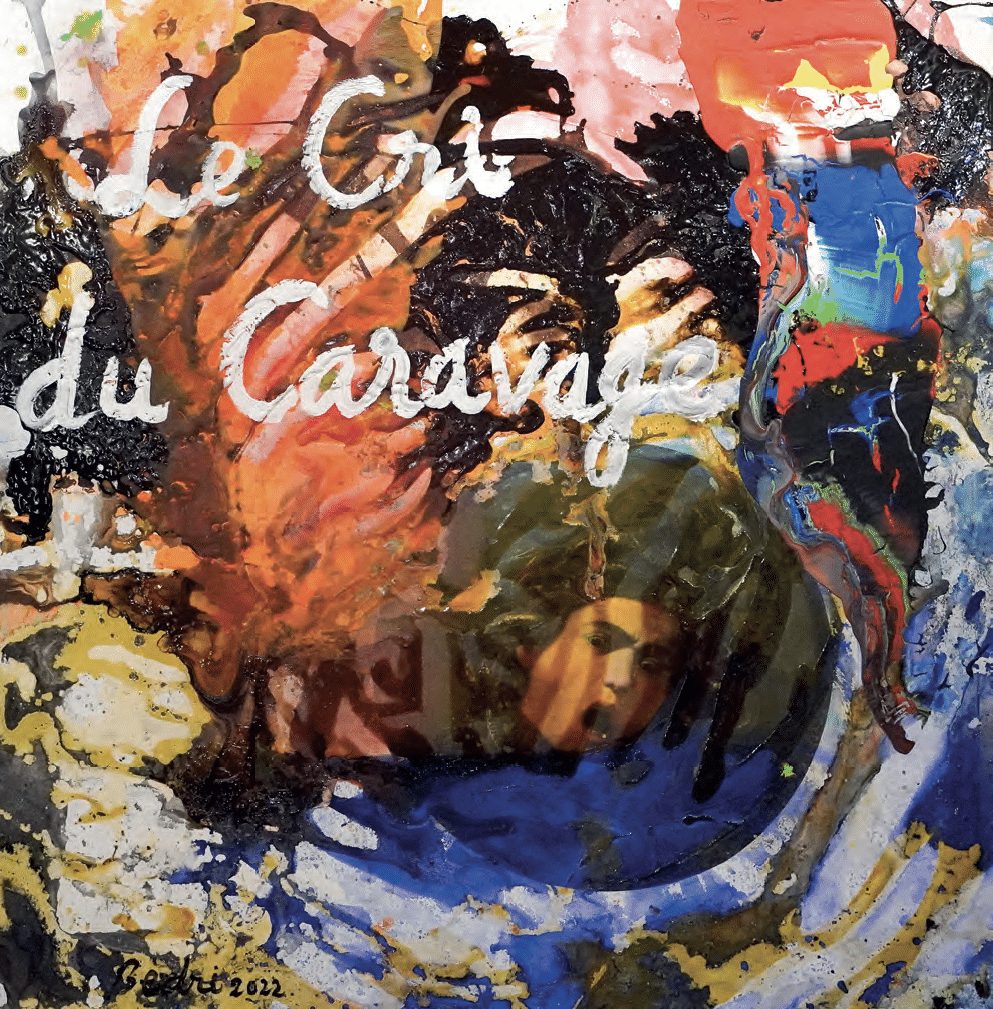
Le Cri du Caravage

2022 – Mixed media on canvas
- 74.02" x 72.83" in (188 x 185 cm)
We ship worldwide and use a multitude of providers to safely deliver your artwork. Domestic delivery and installation may also be available via Hilton Contemporary’s private art shuttle. Please inquire.

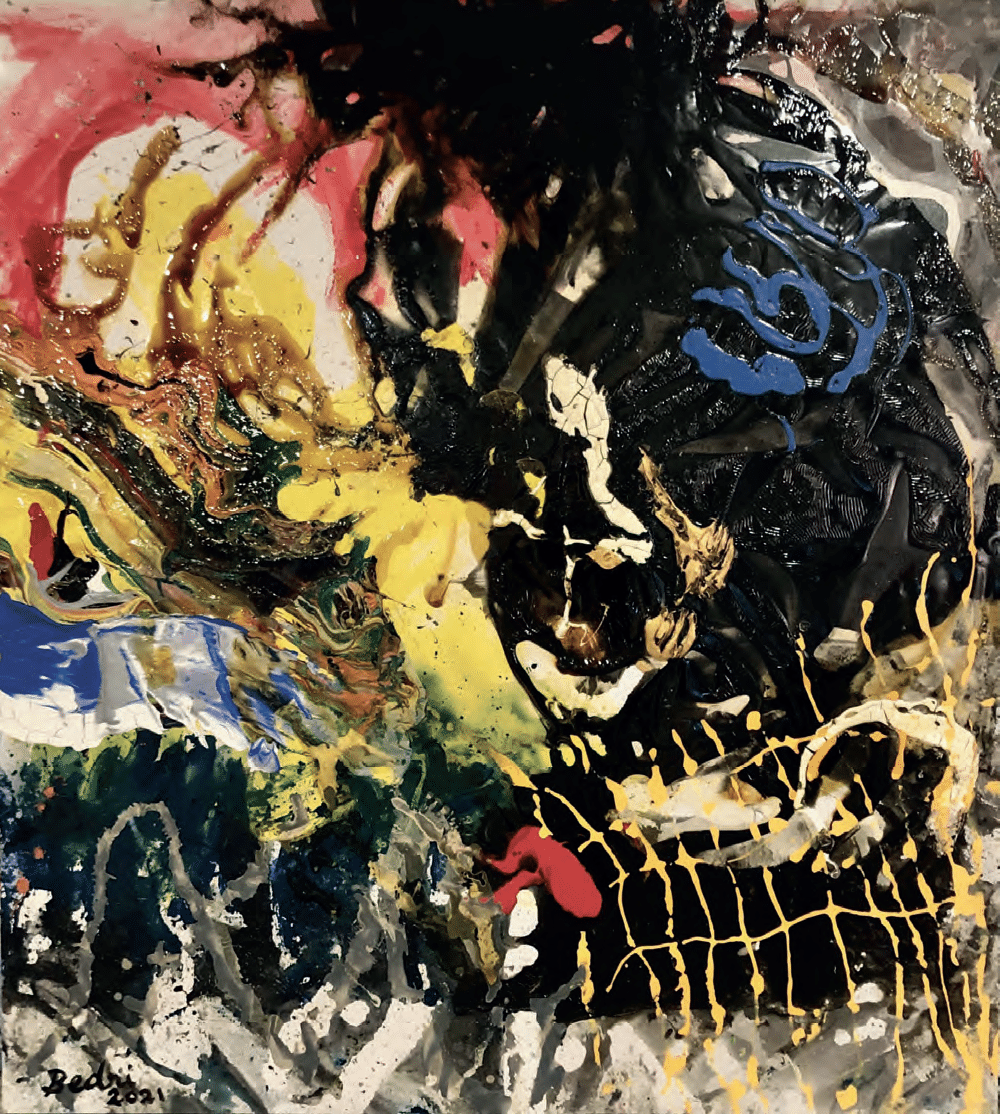
Montmartre a Century Ago
2021 – Mixed media on canvas
- 80.71" x 72.83" in (205 x 185 cm)
We ship worldwide and use a multitude of providers to safely deliver your artwork. Domestic delivery and installation may also be available via Hilton Contemporary’s private art shuttle. Please inquire.
Adonis

Untitled 108
Untitled 15
Untitled 40
Untitled 23
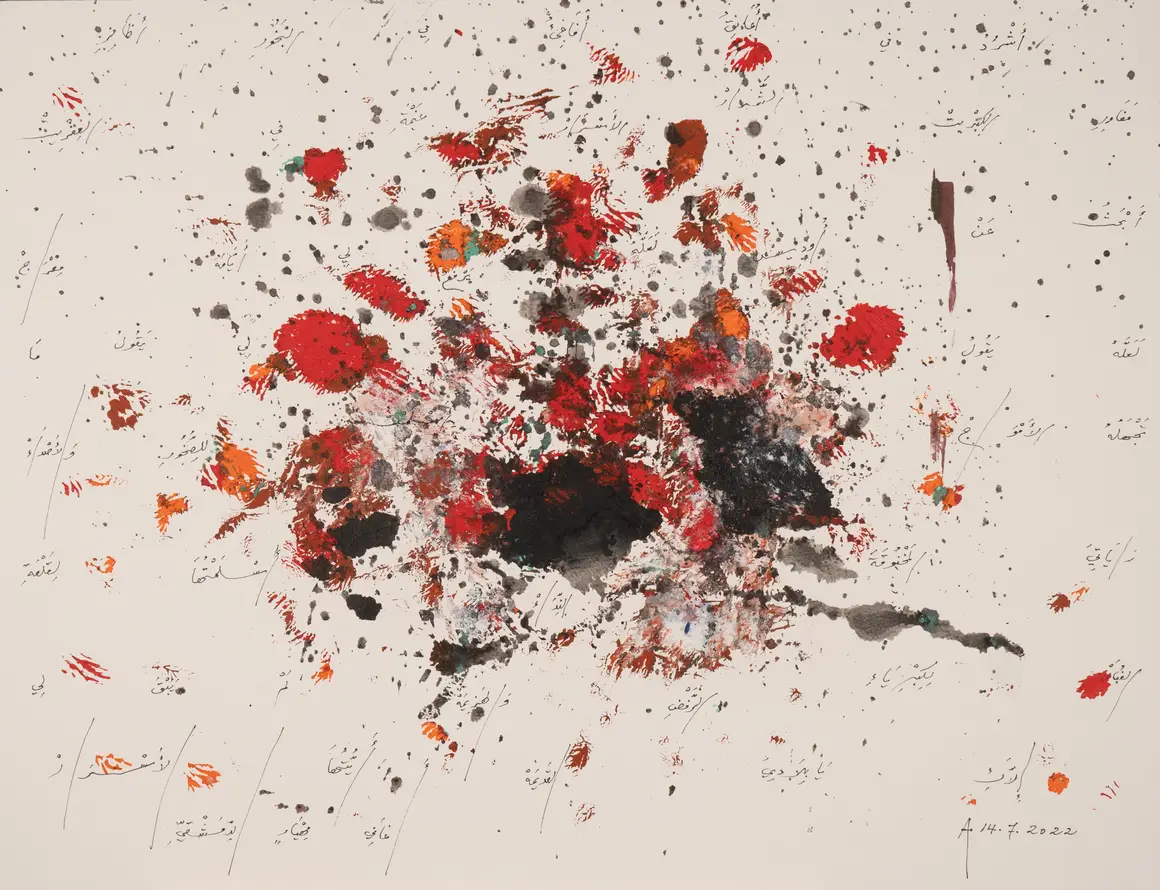
Untitled 21
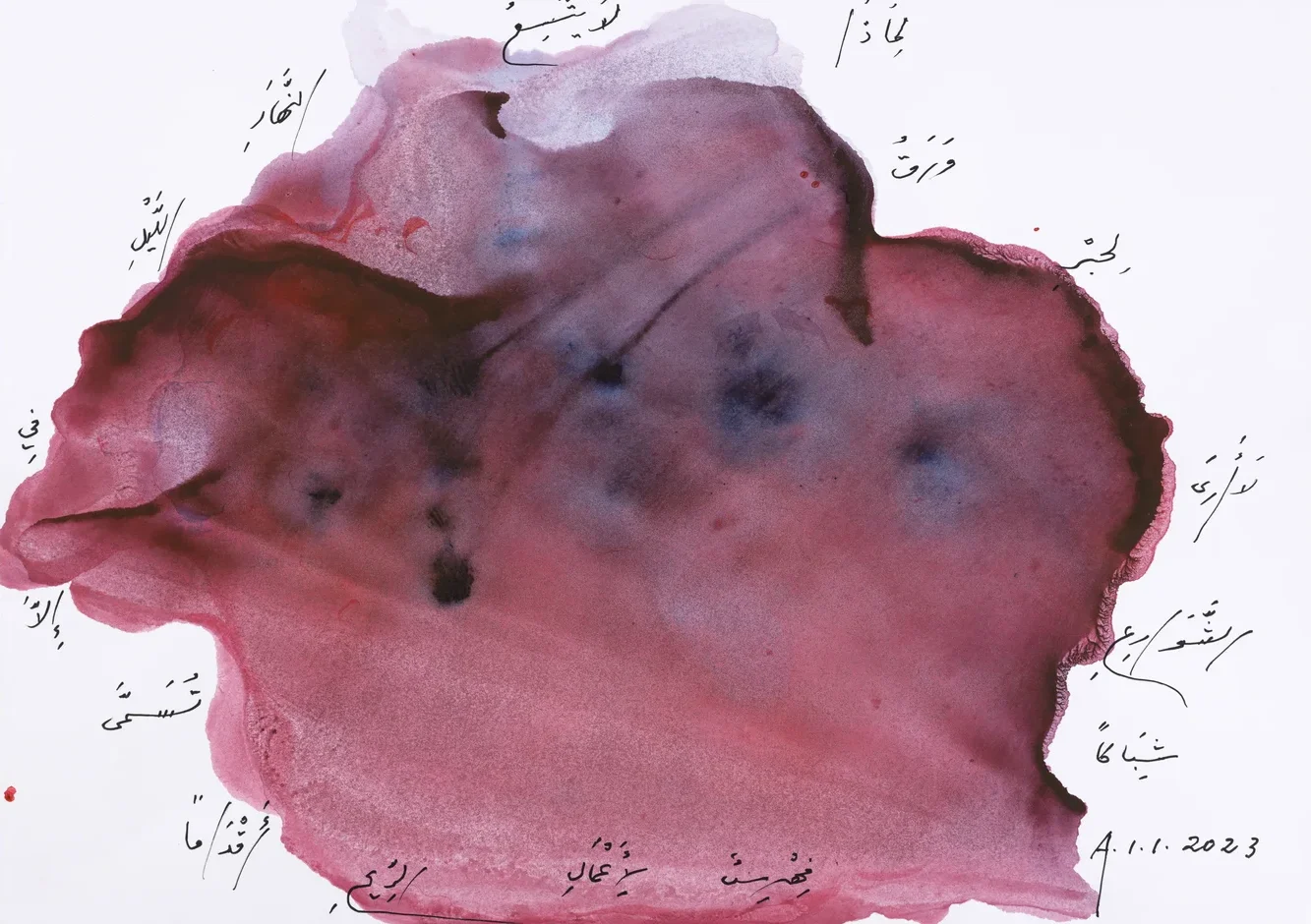
Untitled 121
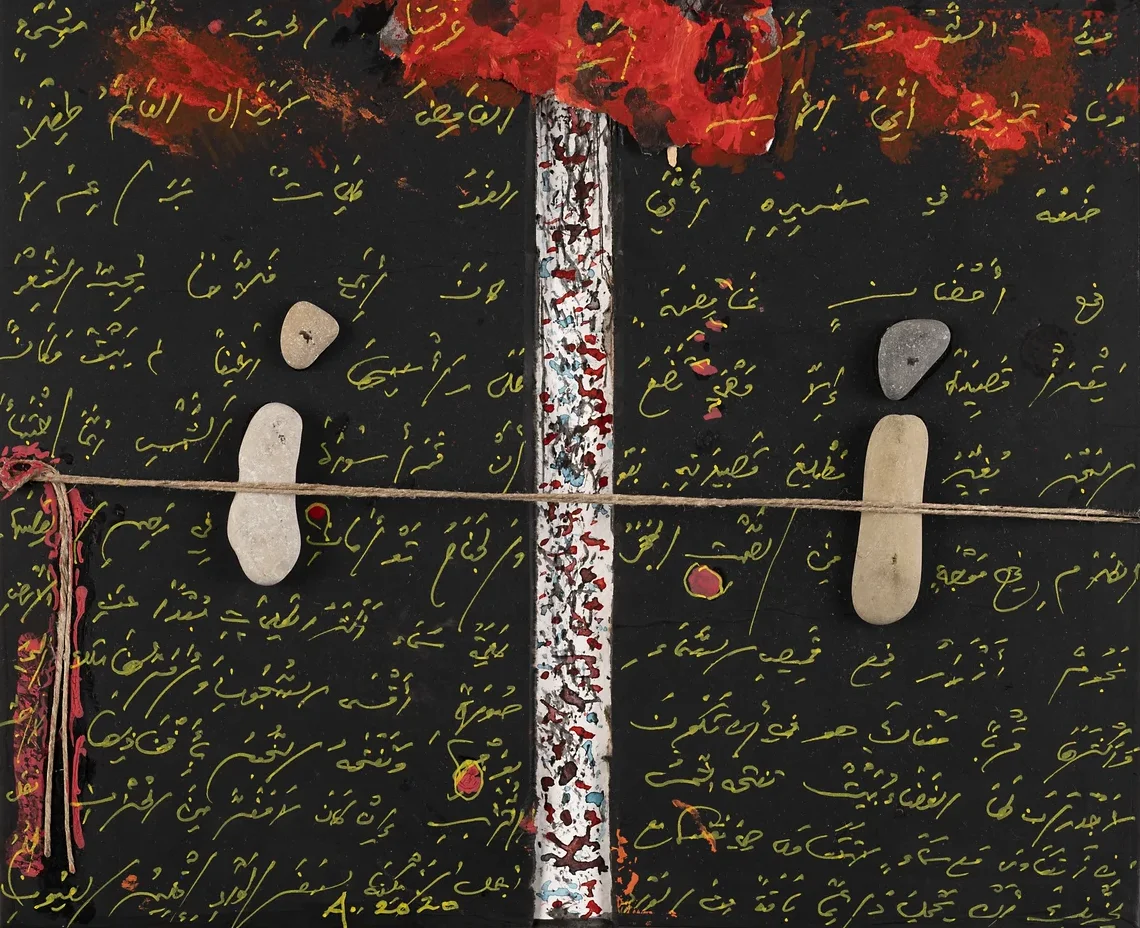
Untitled 107
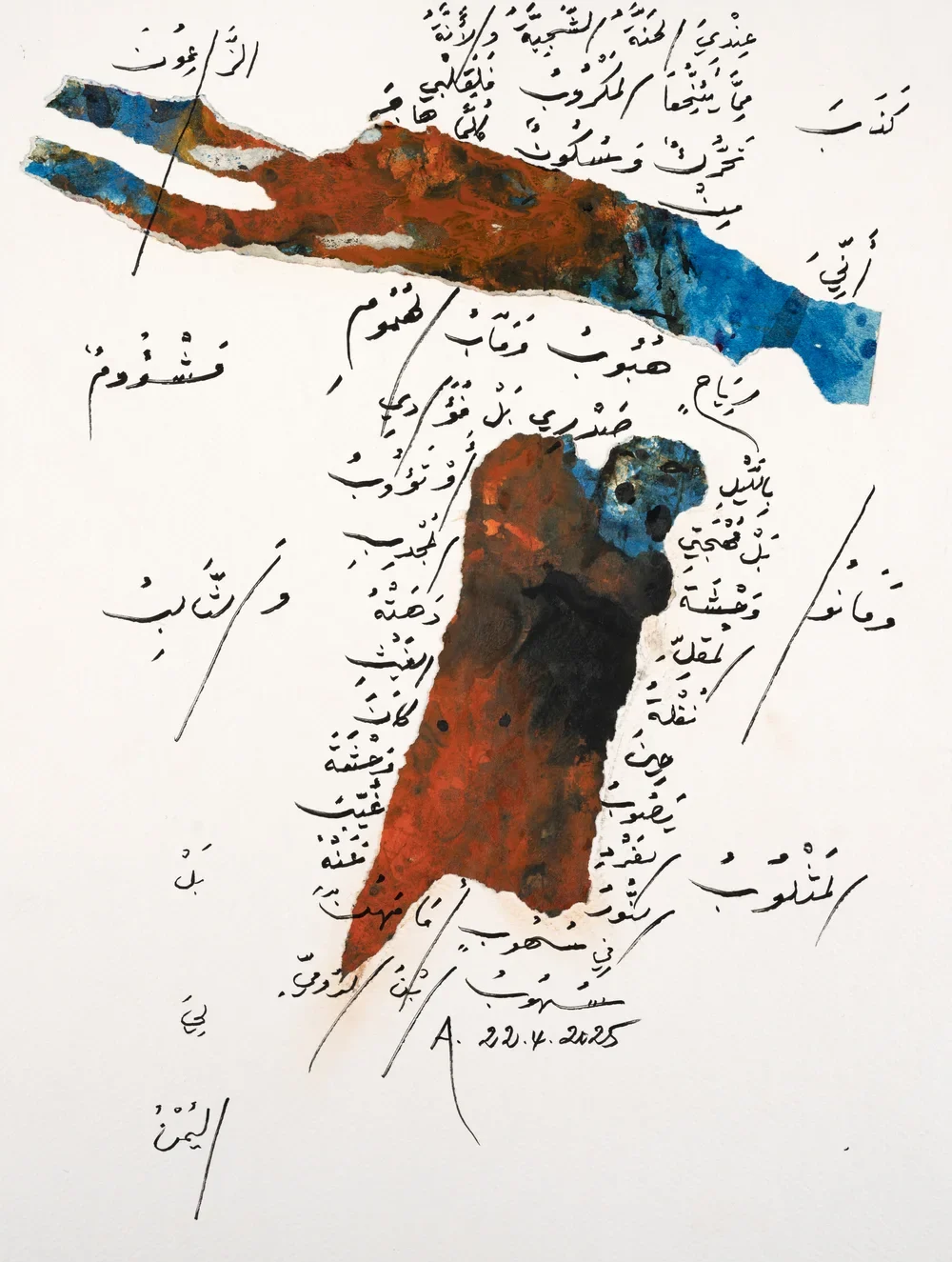
Untitled 93

Untitled 112

Untitled 120
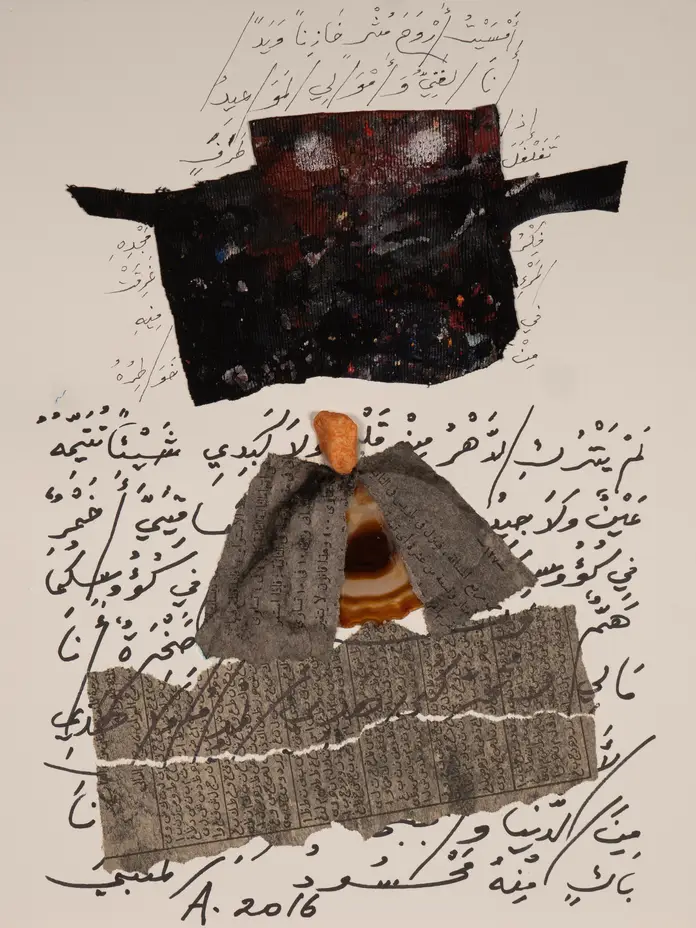
Untitled 11
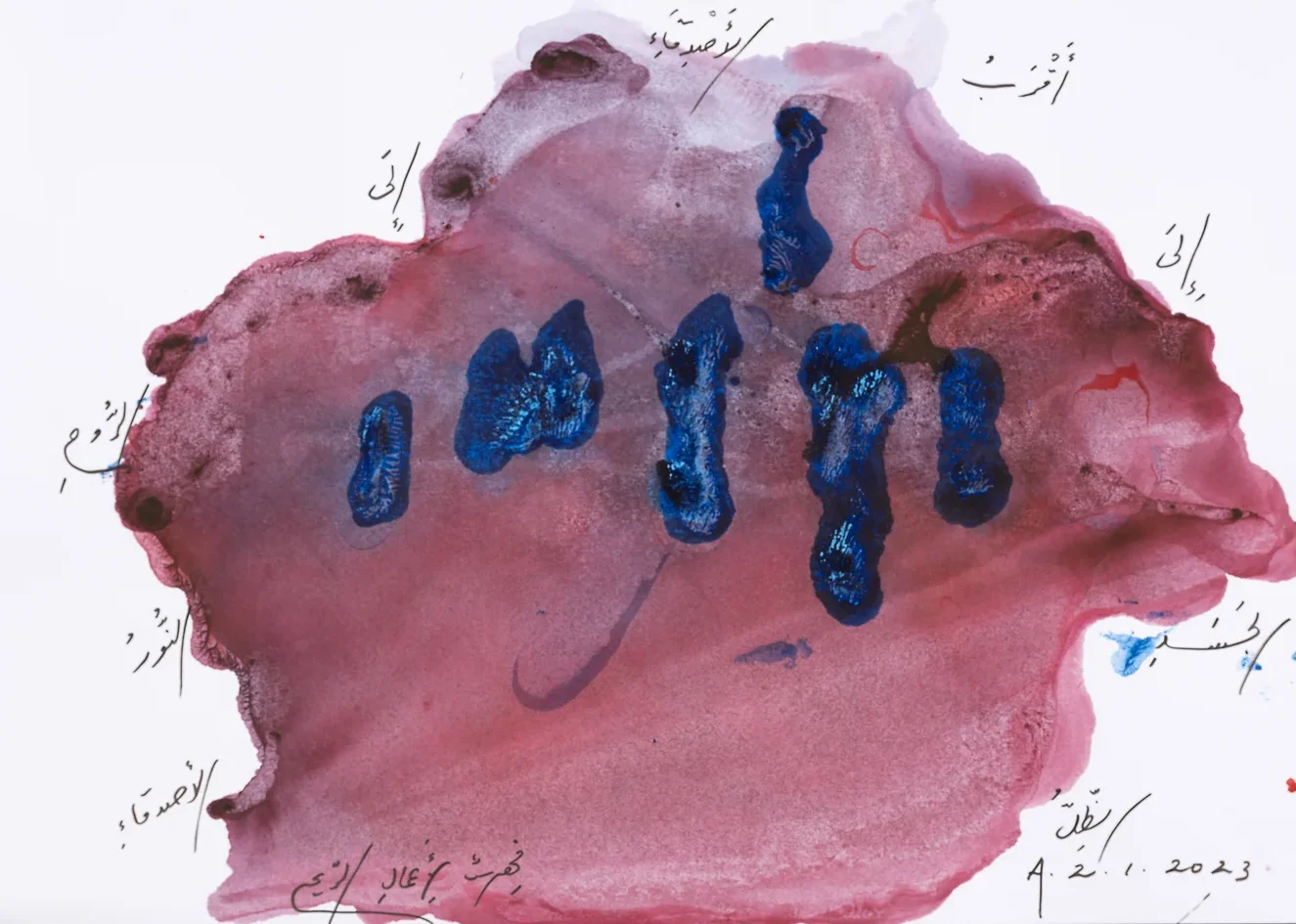
Untitled 122
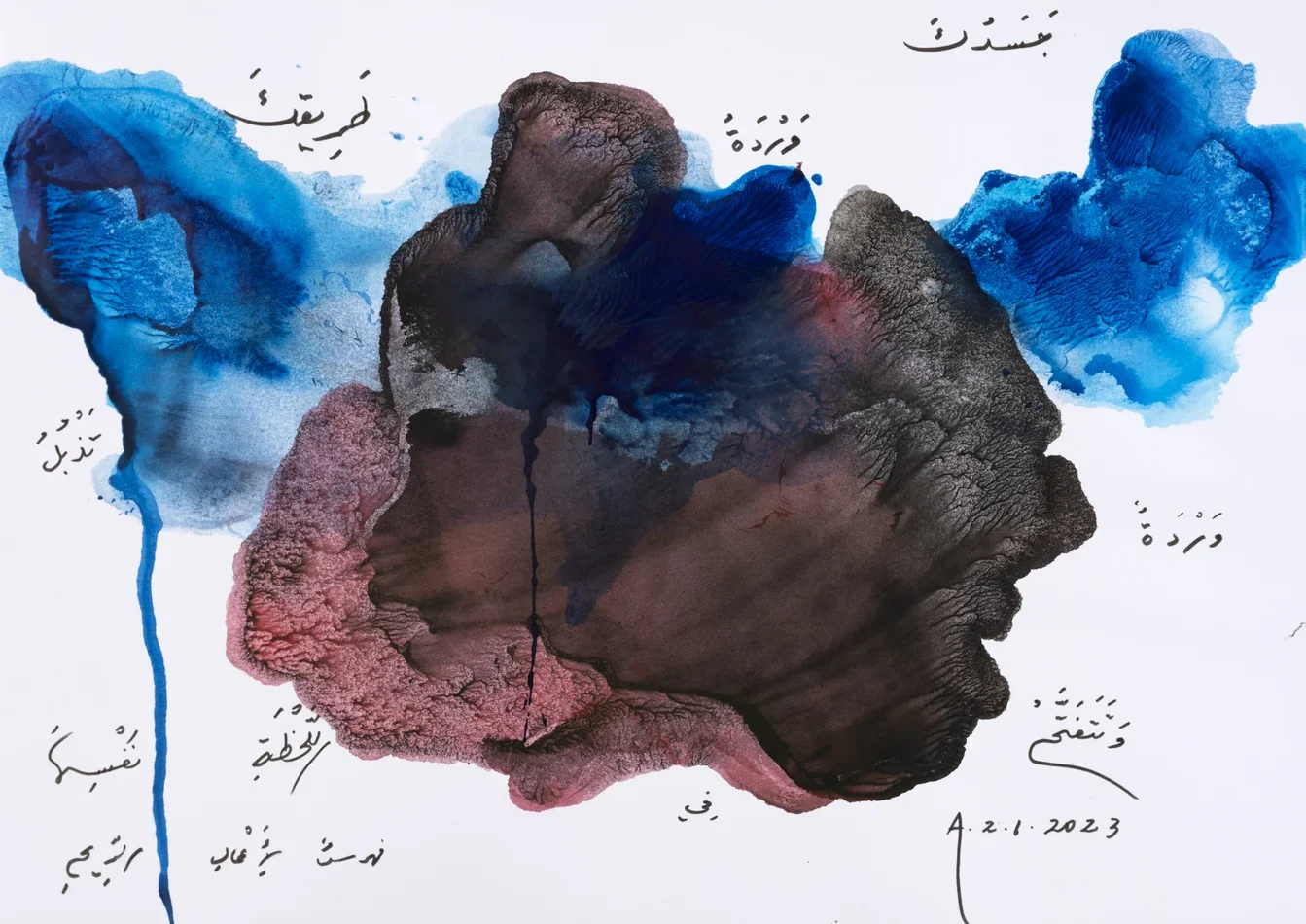
Untitled 114
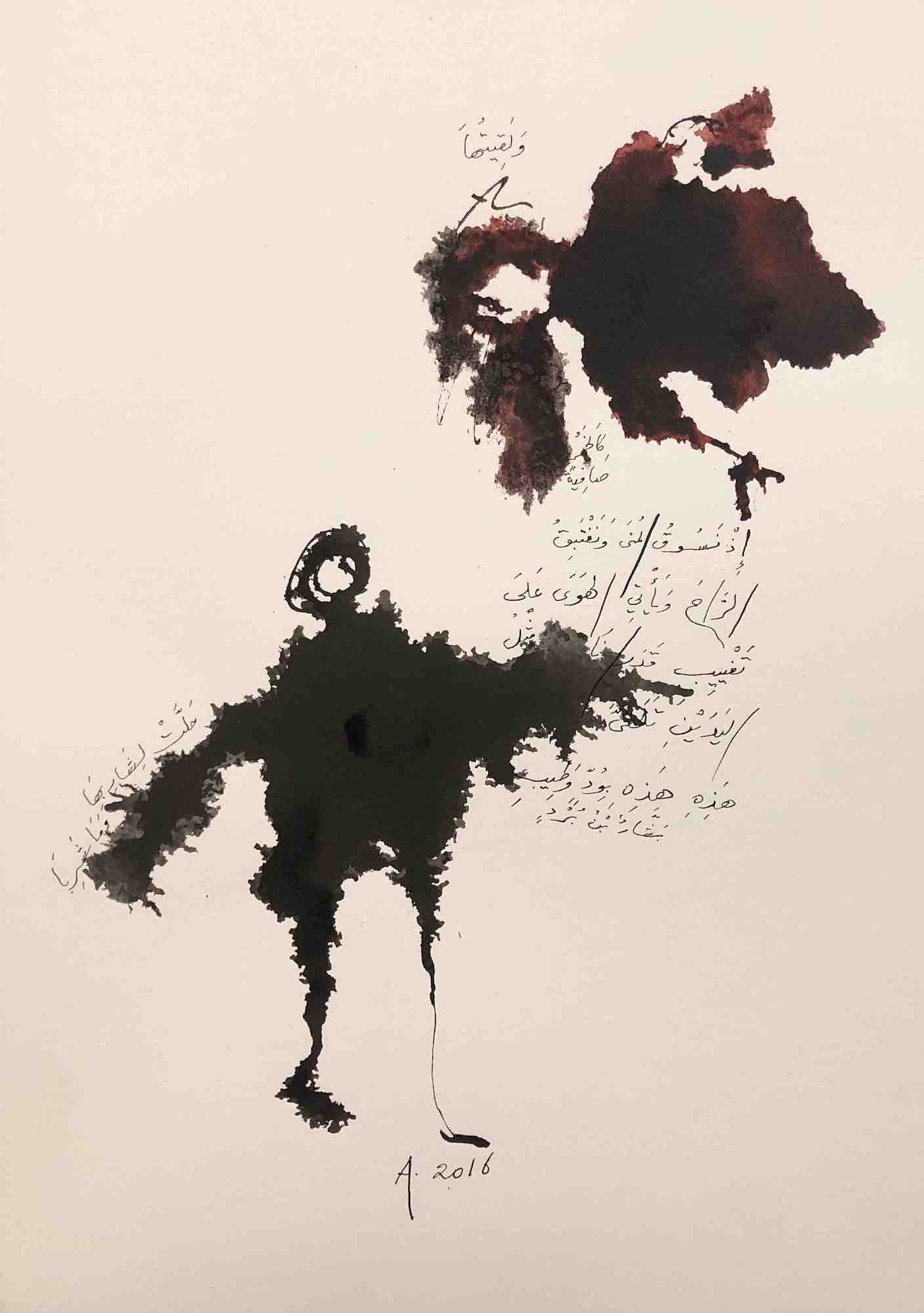
Untitled 8
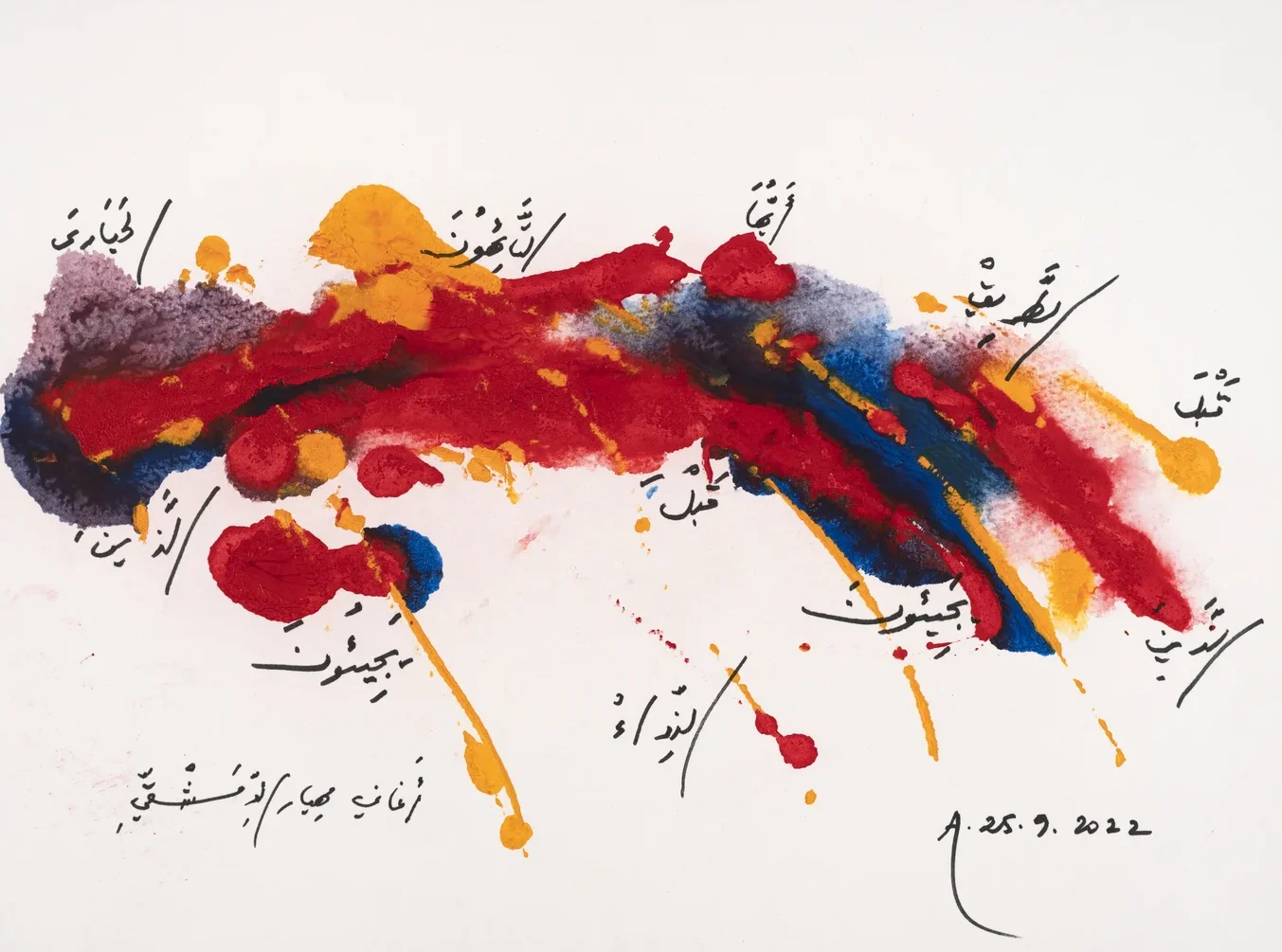
Untitled 116
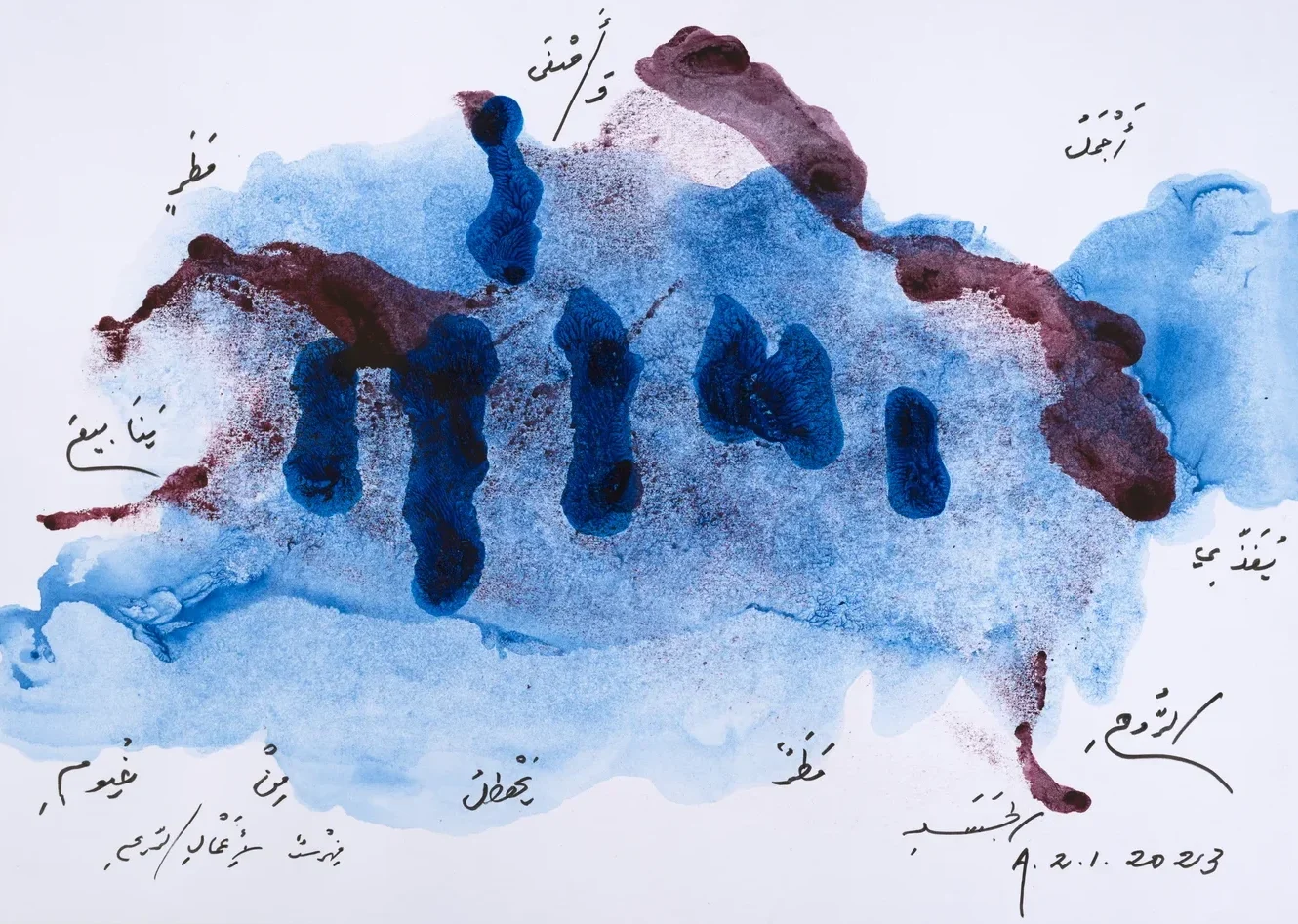
Untitled 113
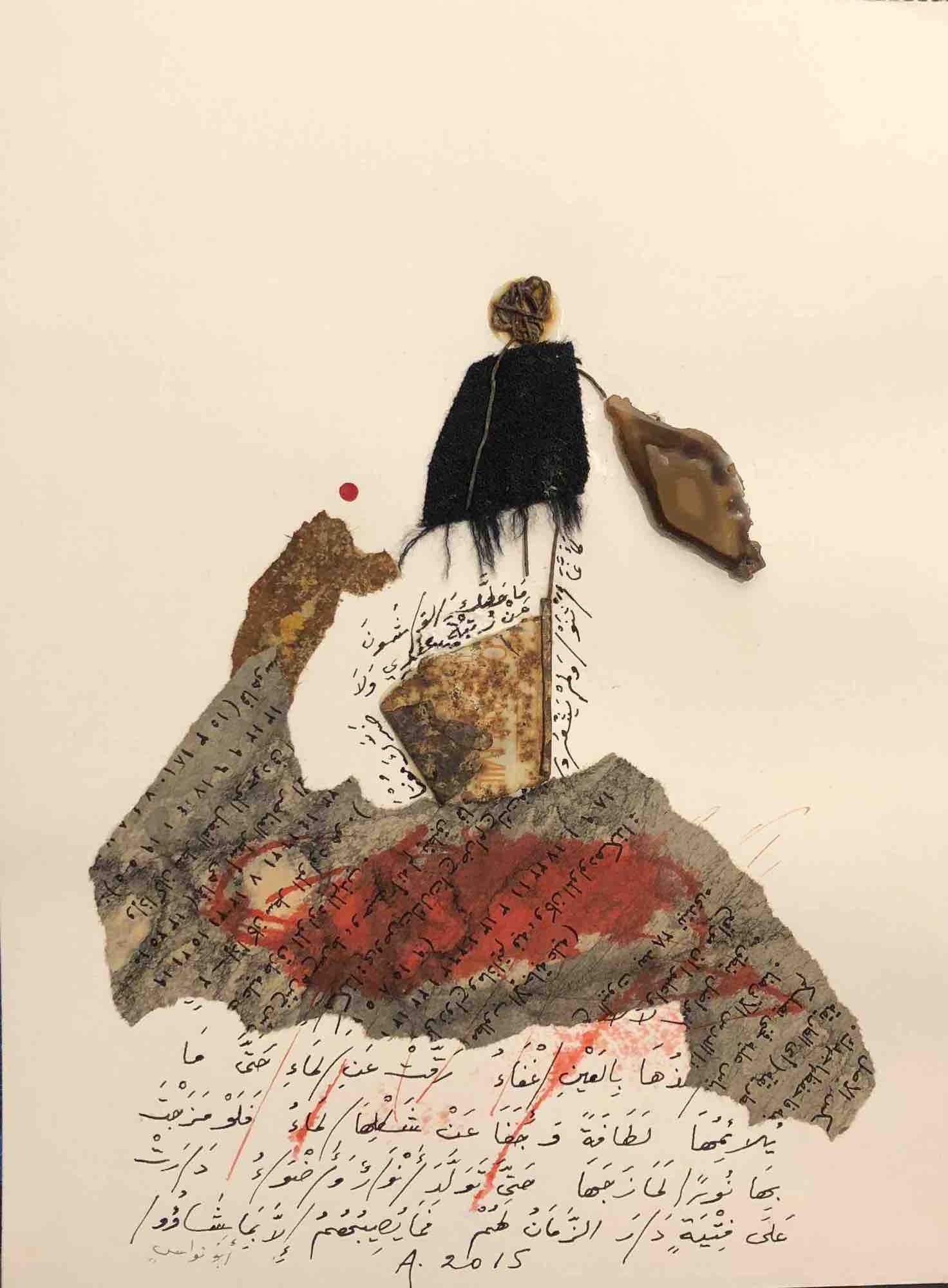
Untitled 1
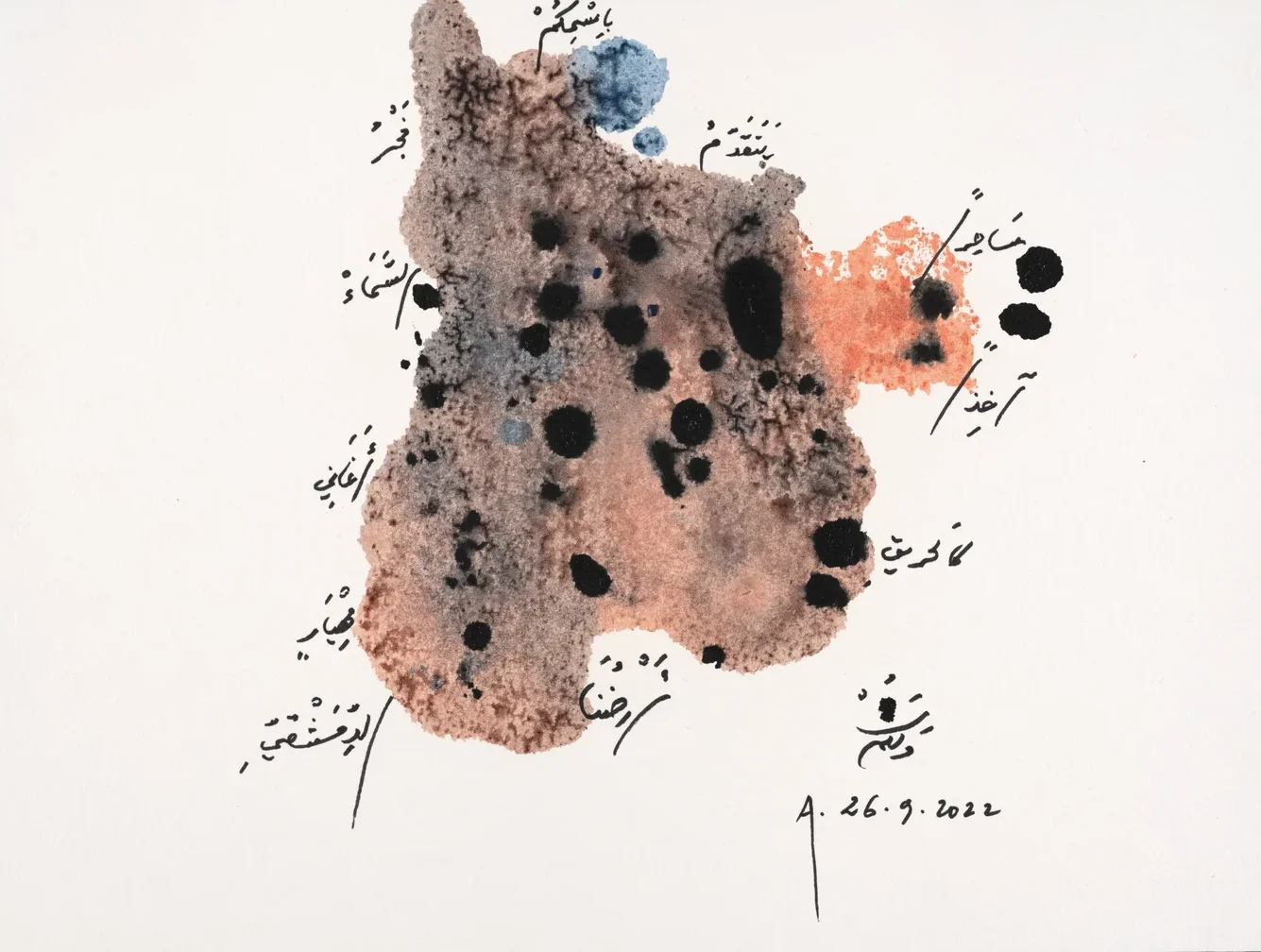
Untitled
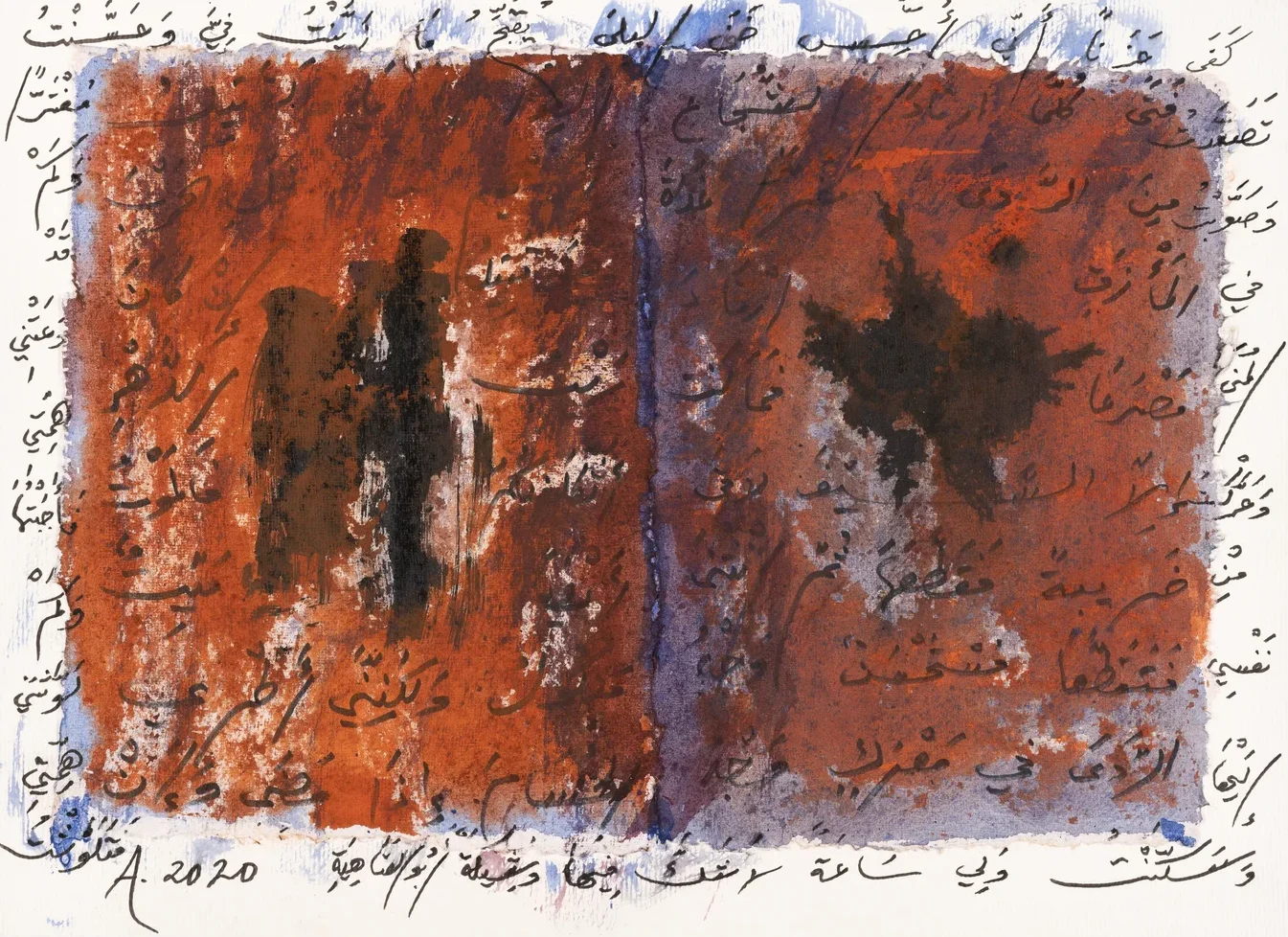
Untitled 95
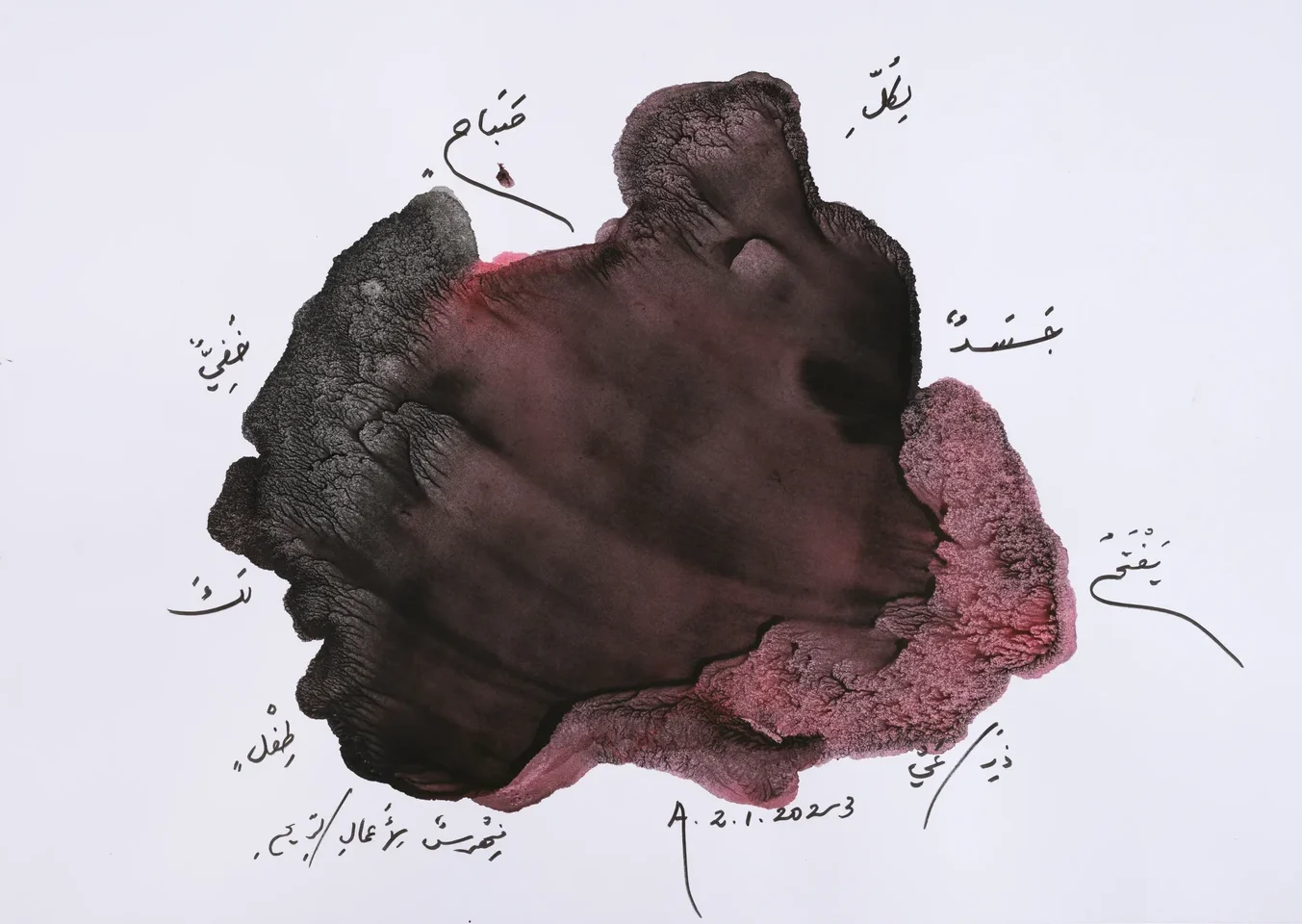
Untitled 115
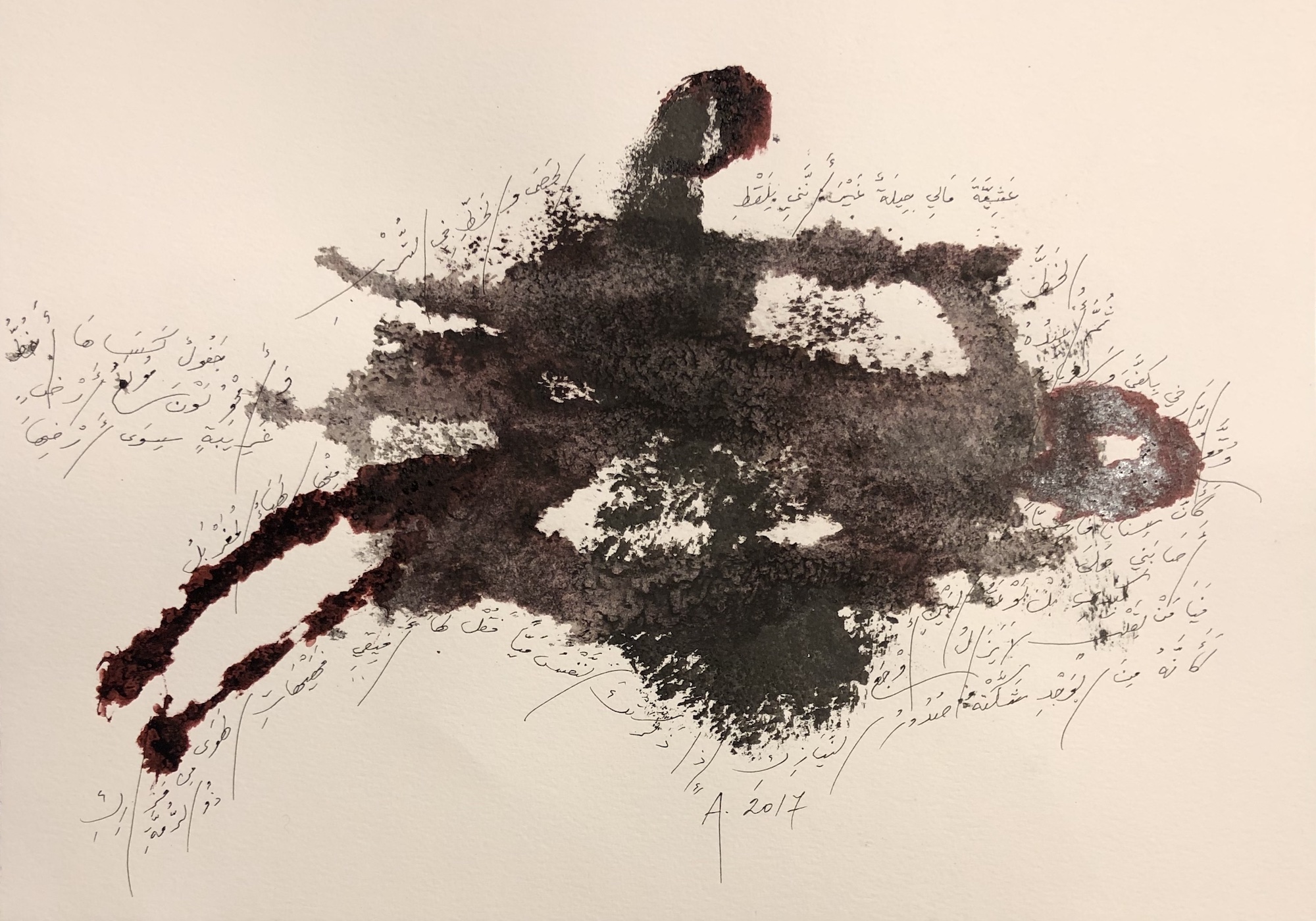
Untitled 9
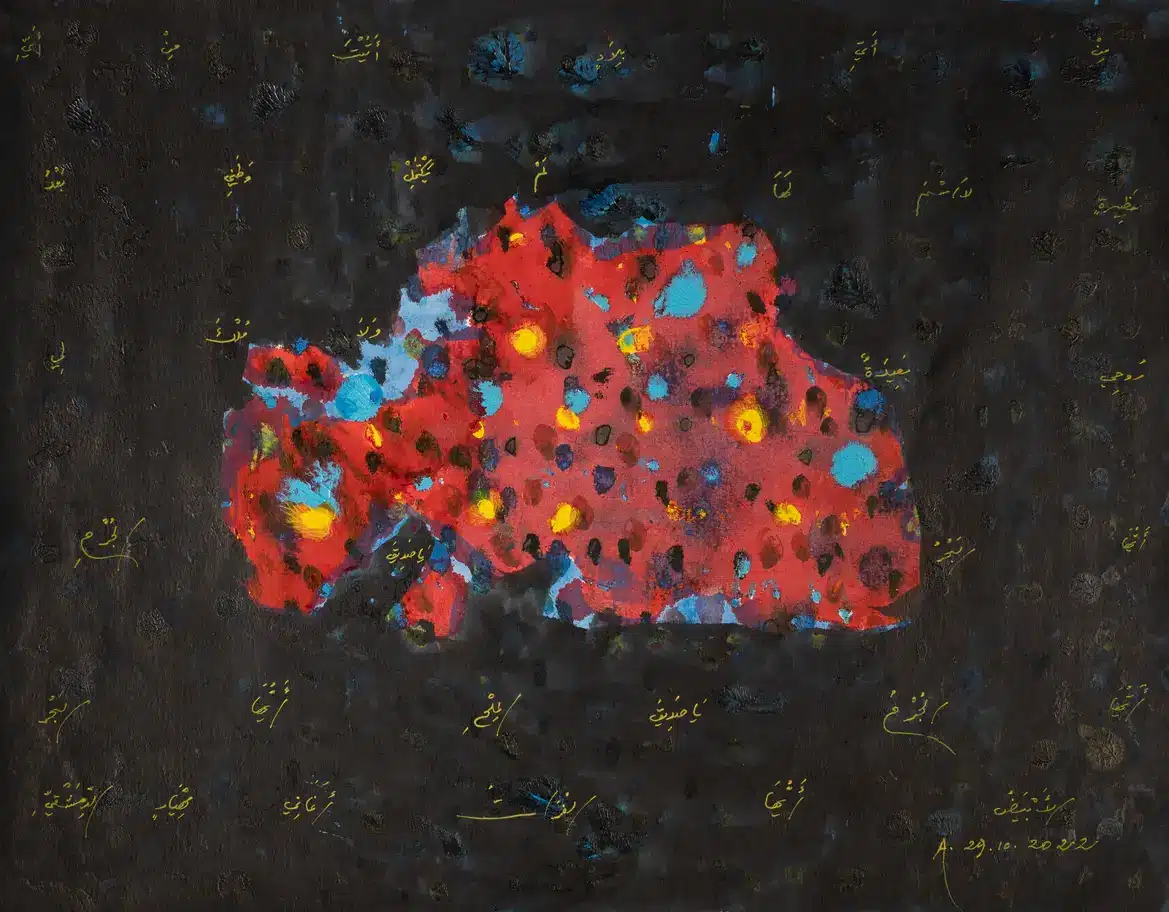
Untitled 37
Untitled 16
Untitled 25

Untitled 102
Untitled 14
Untitled 44

Untitled 94
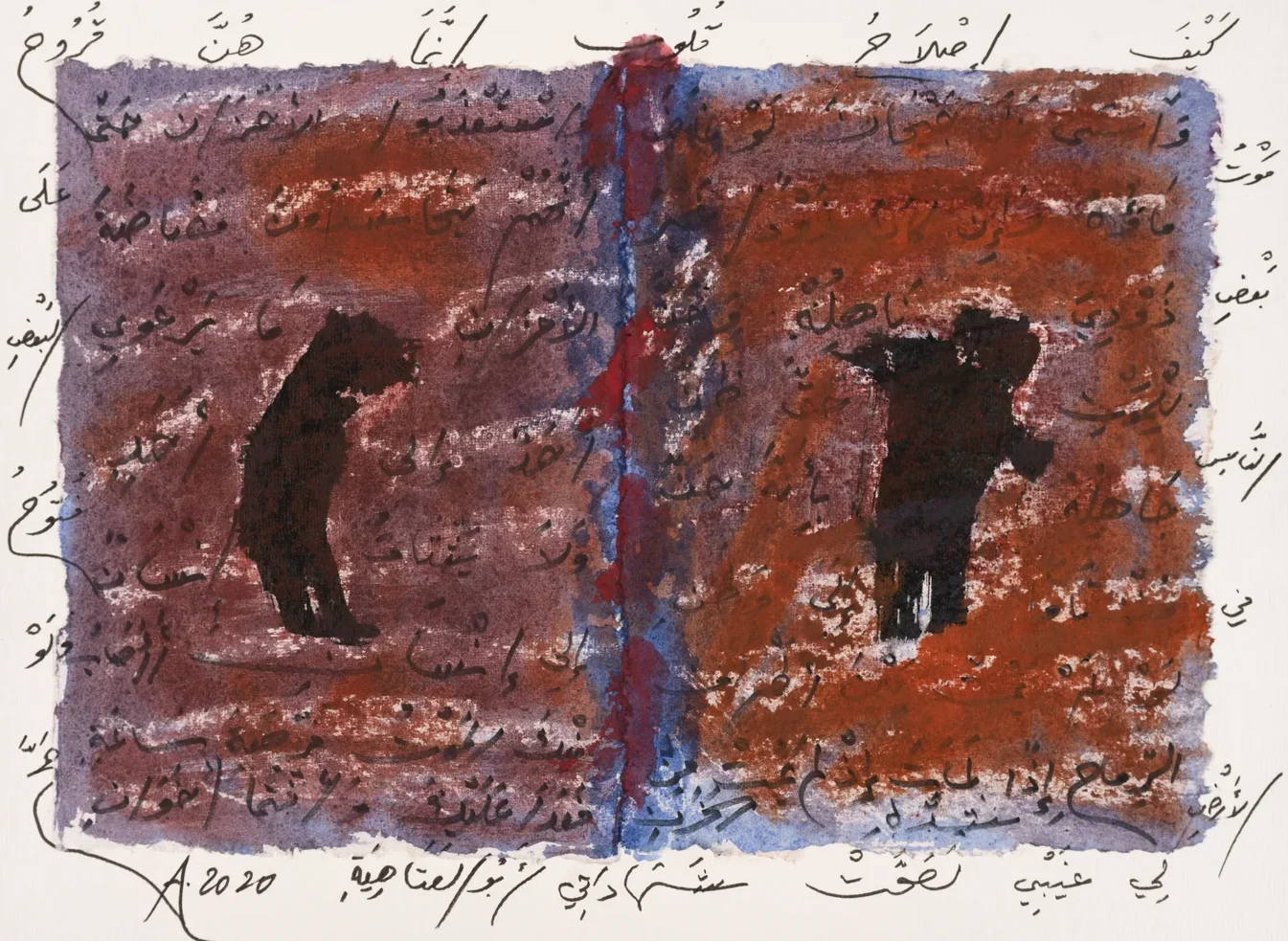
Untitled 125
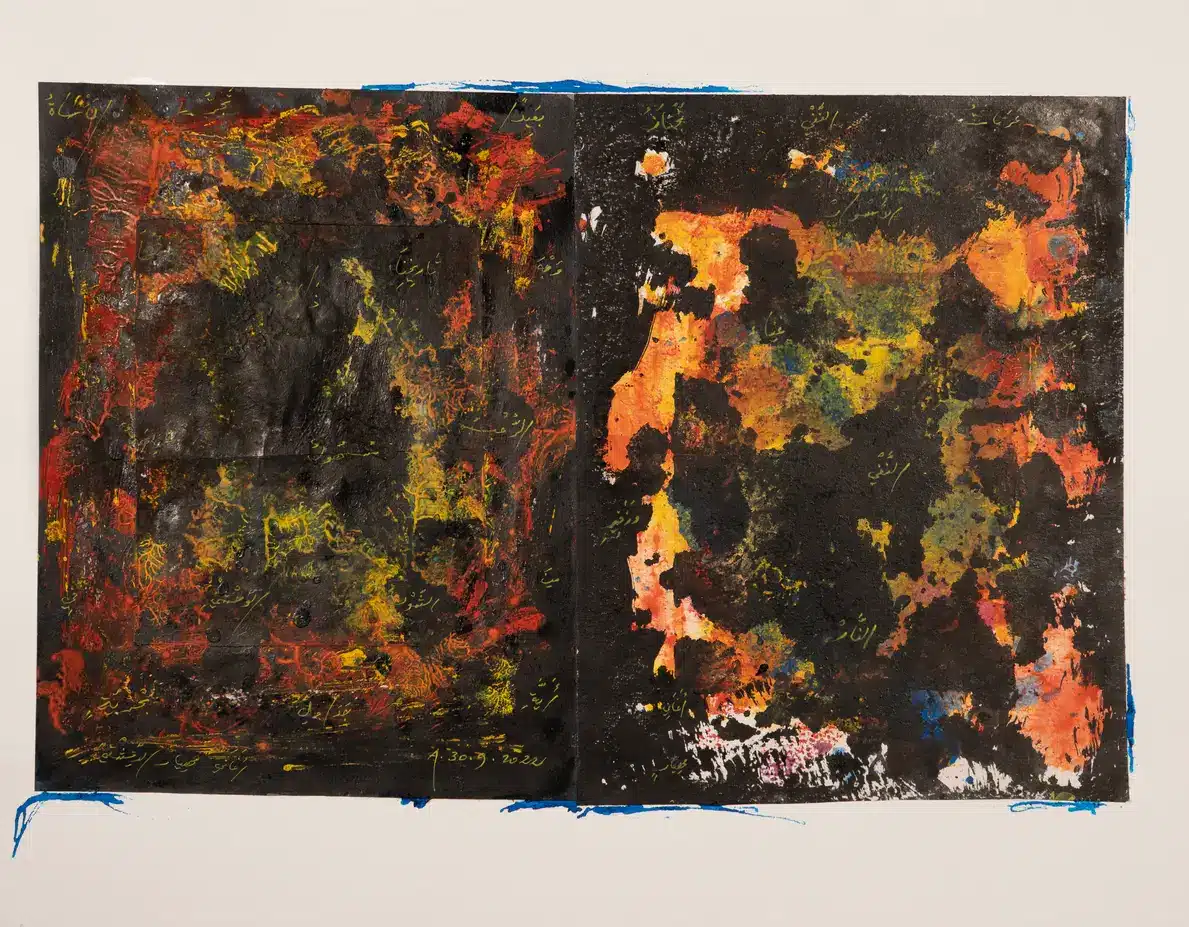
Untitled 26
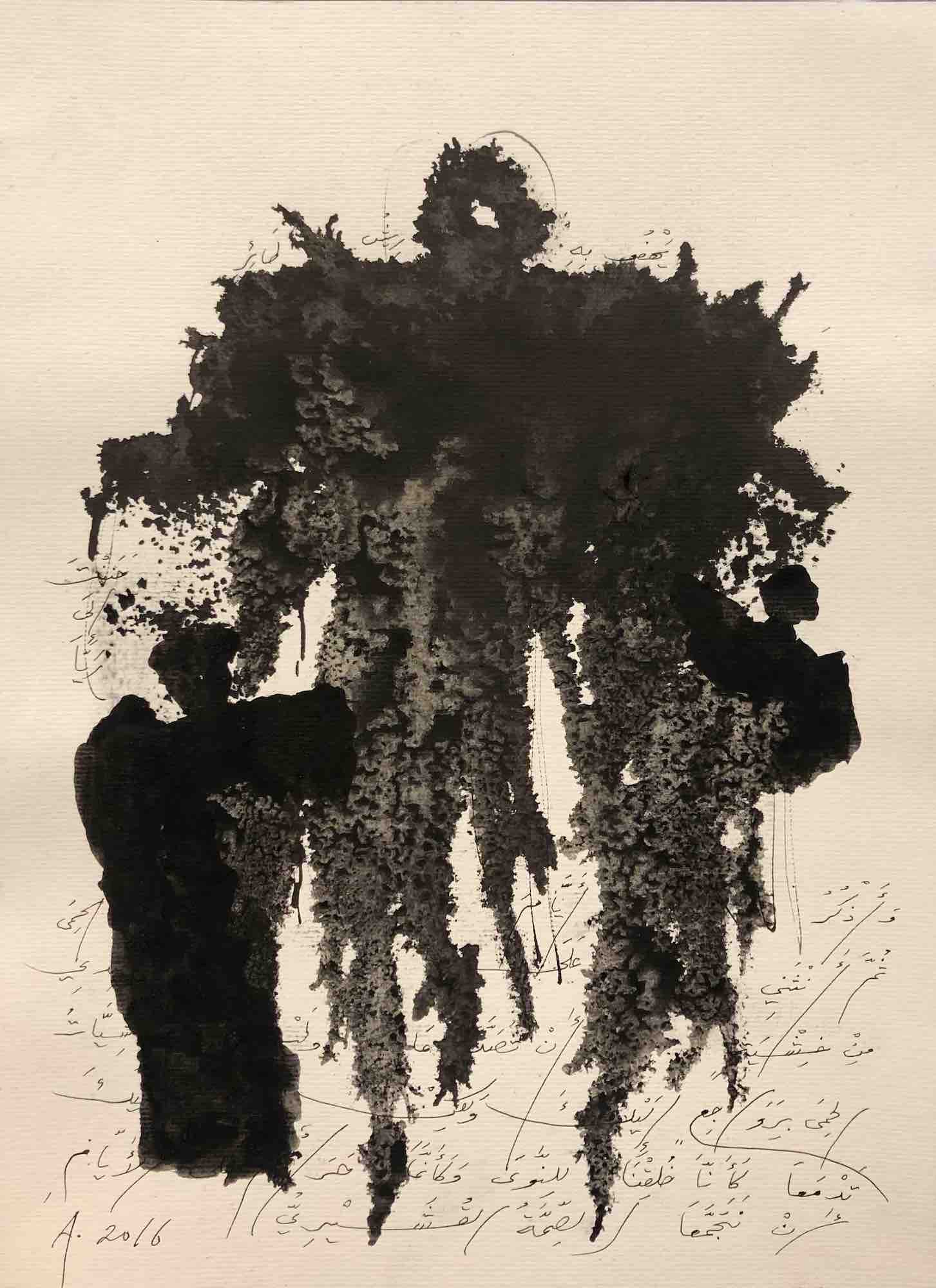
Untitled 5

Untitled 100
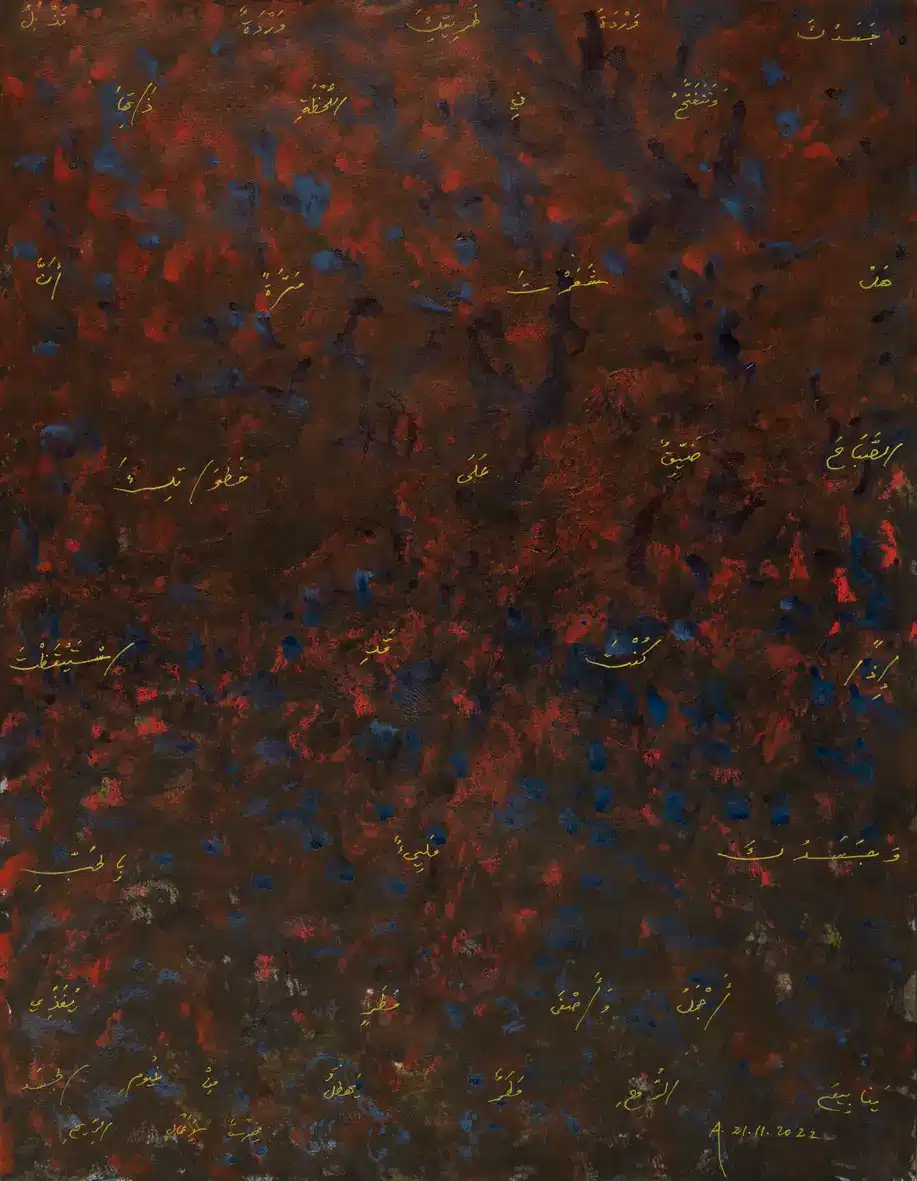
Untitled 30
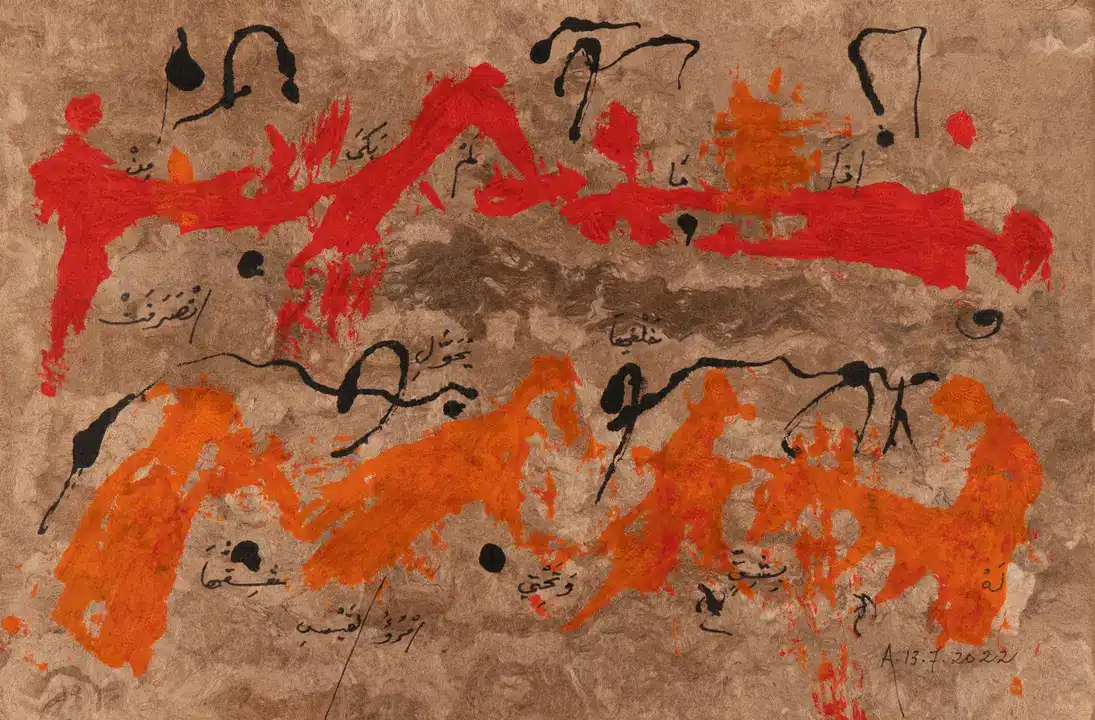
Untitled 31
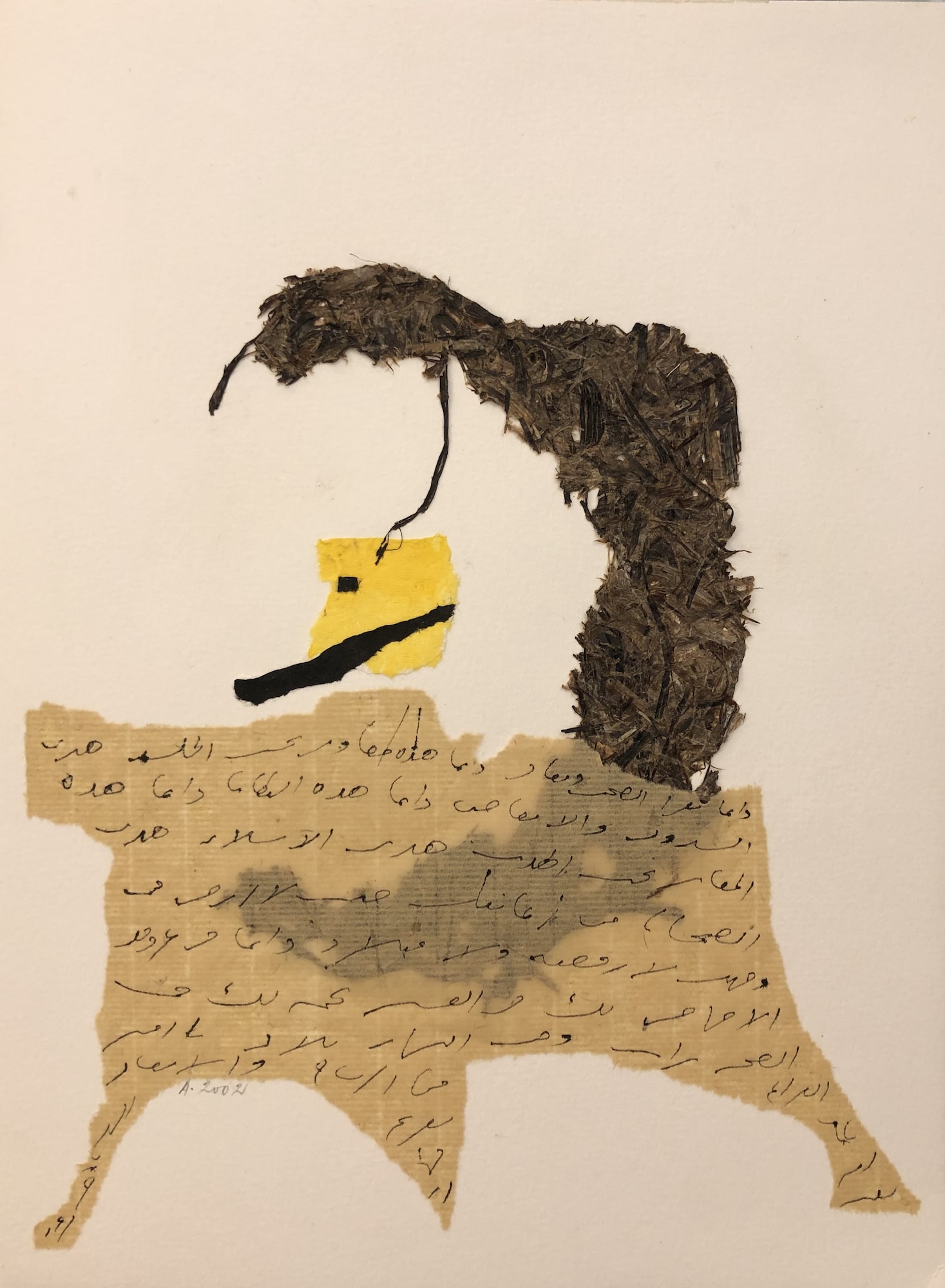
Untitled 4
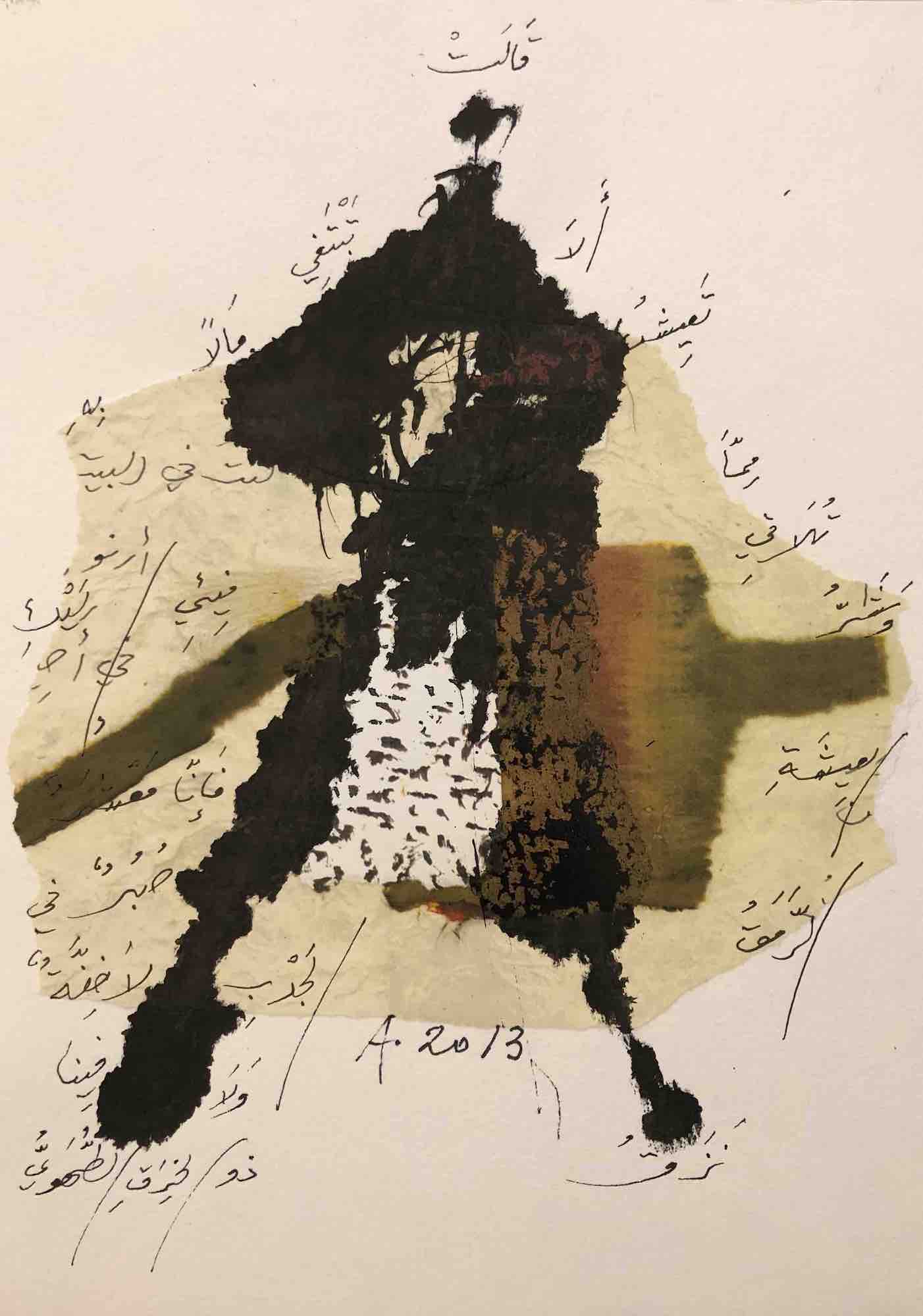
Untitled 2
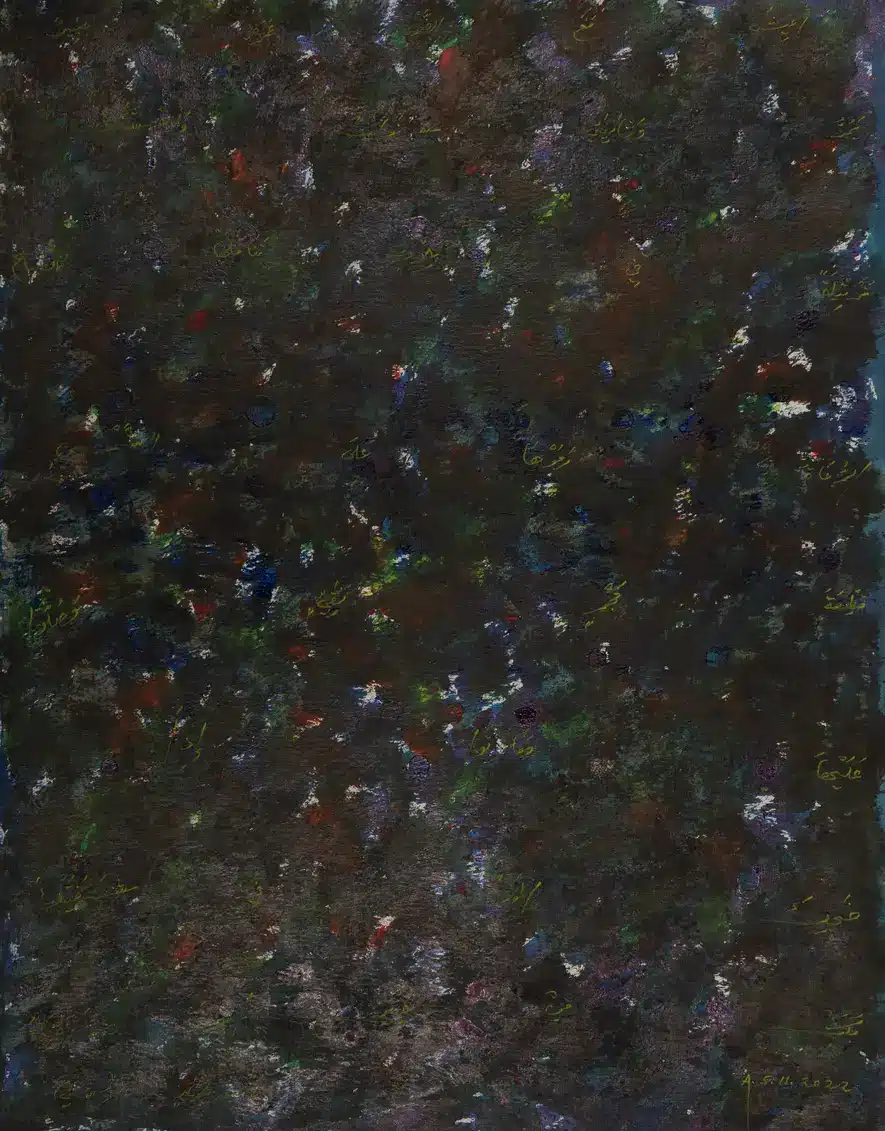
Untitled 18
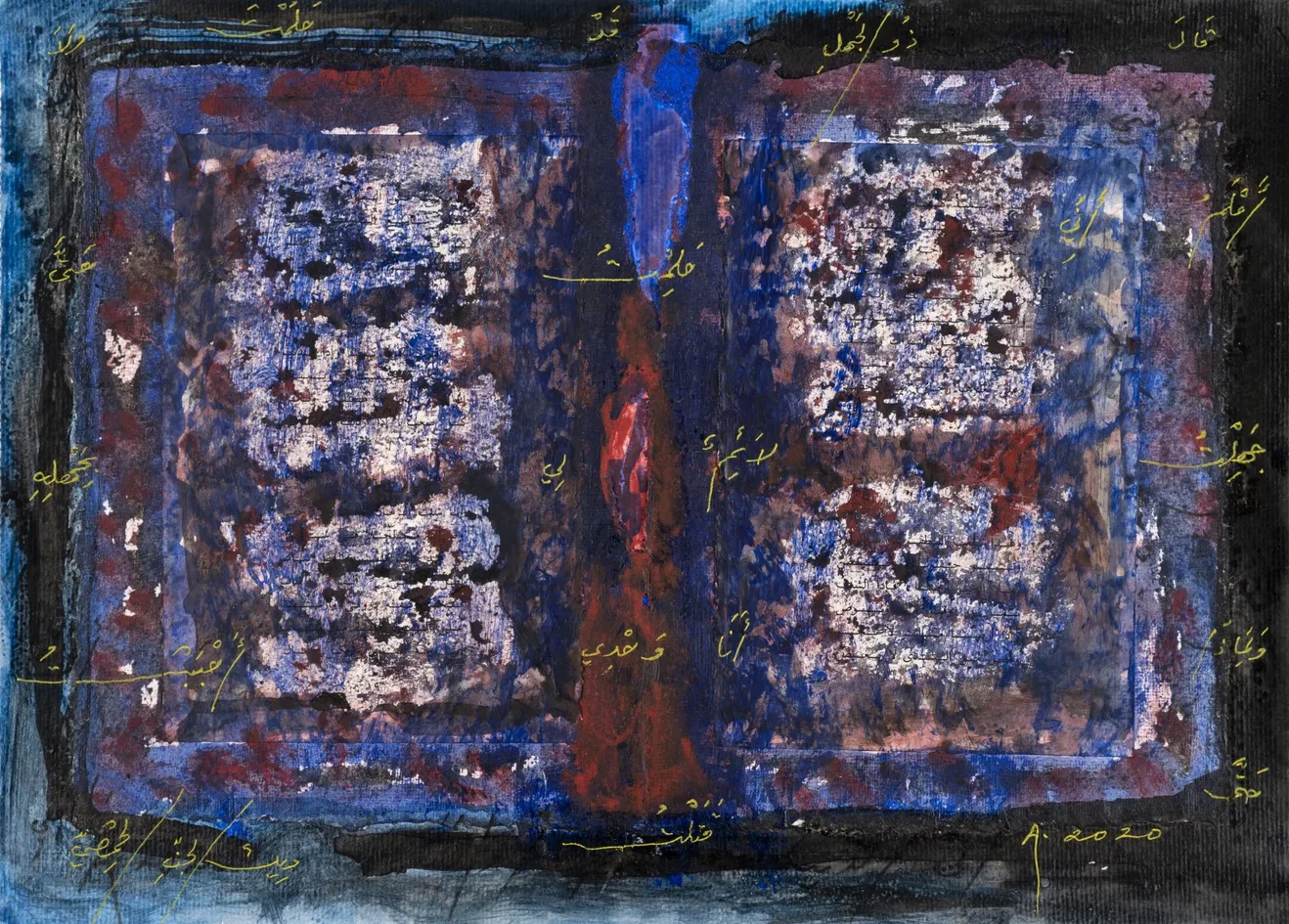
Untitled 96
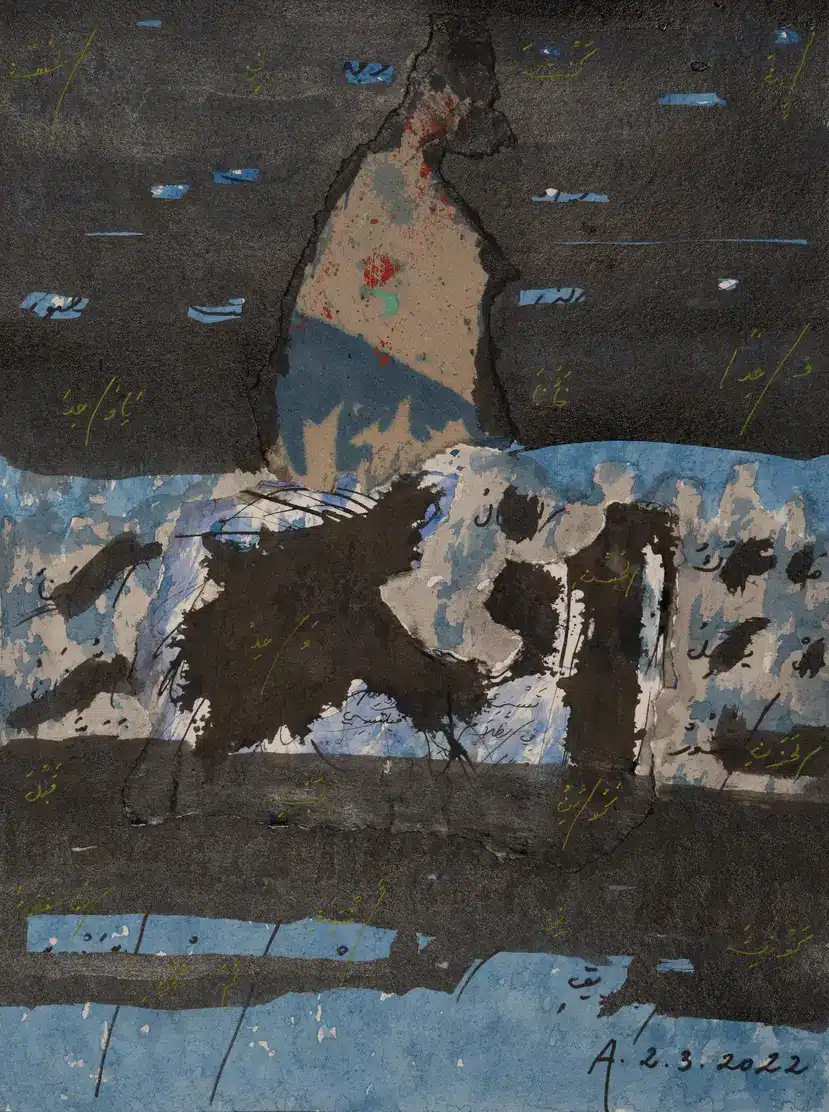
Untitled 10
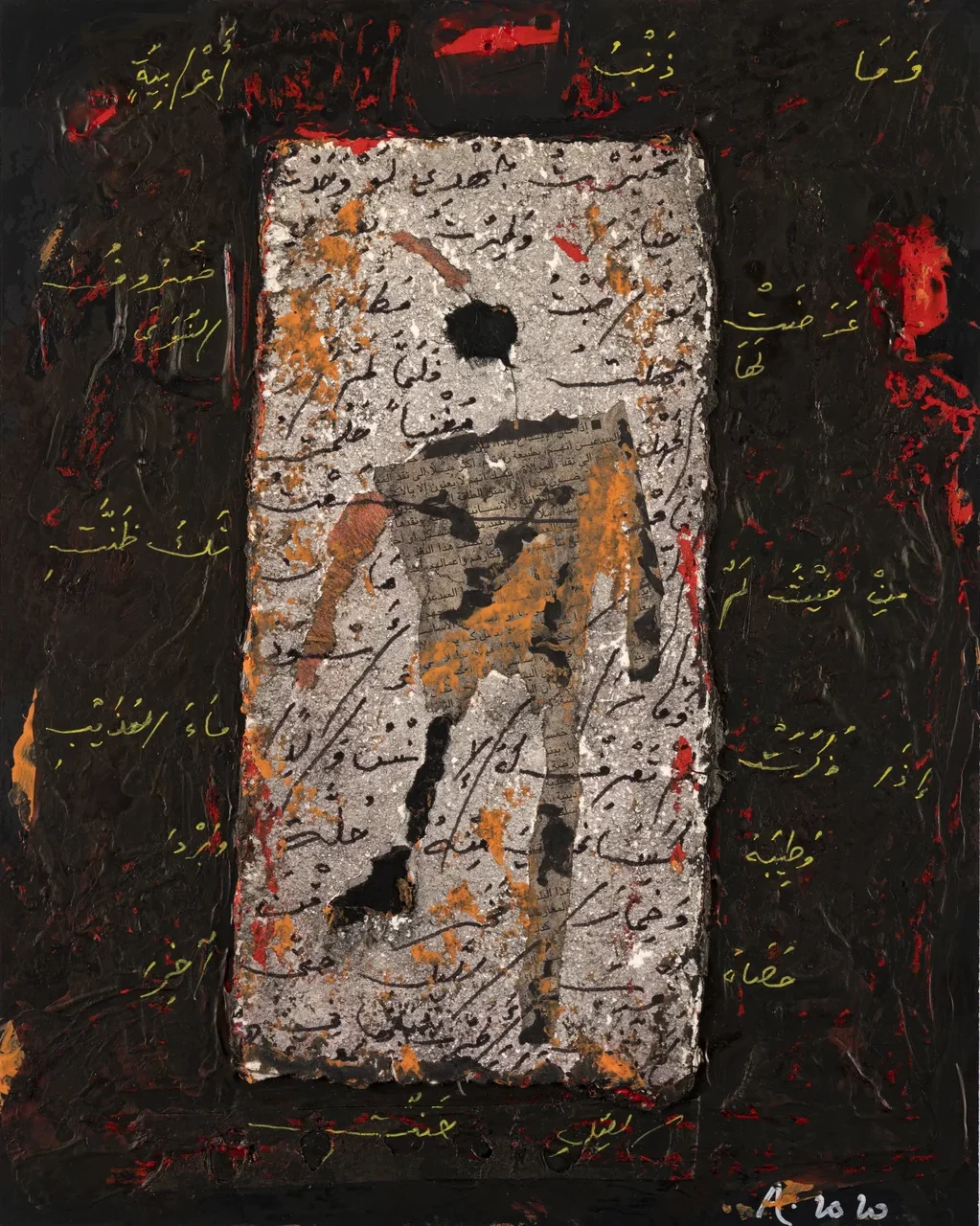
Untitled 105
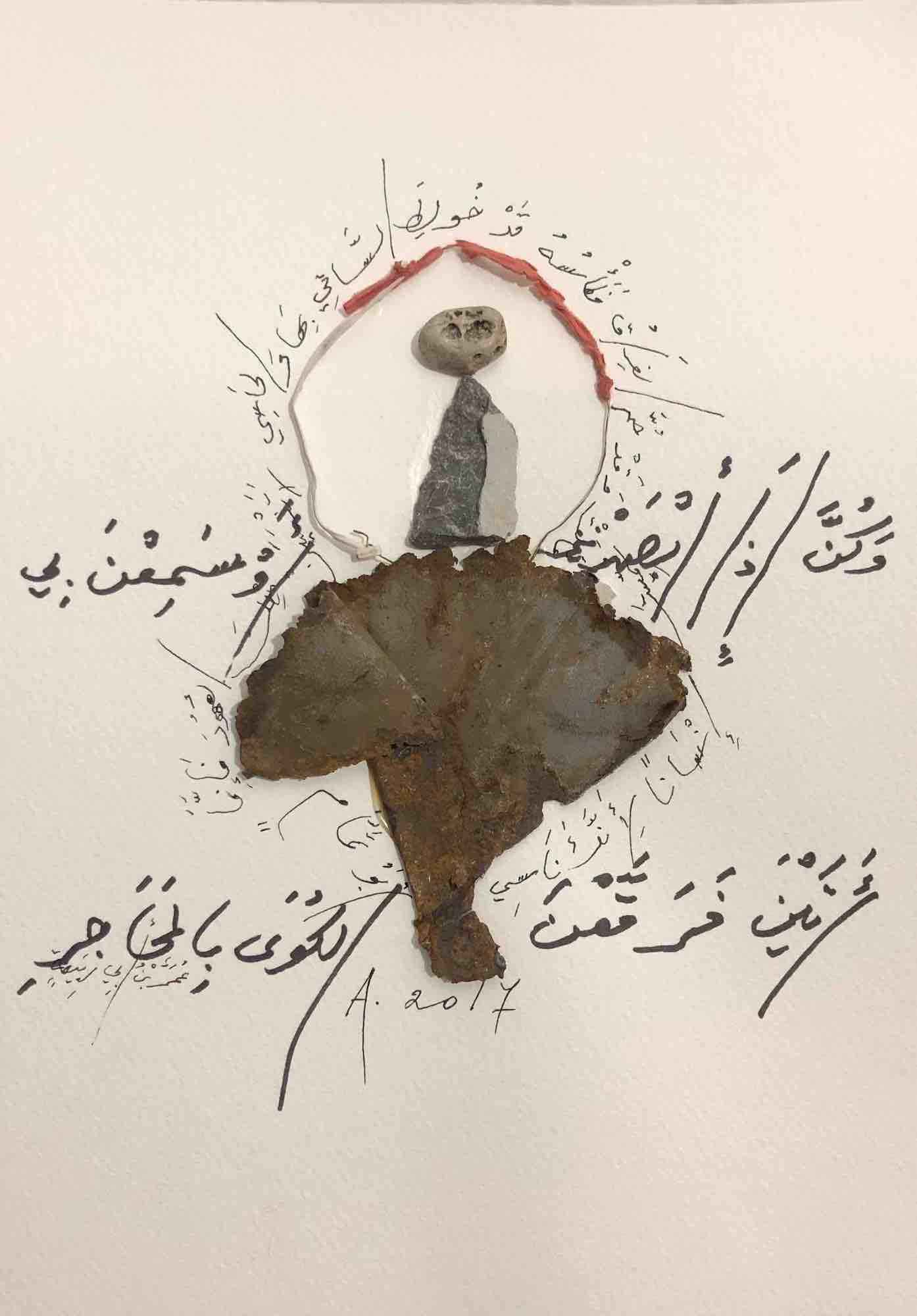
Untitled 12
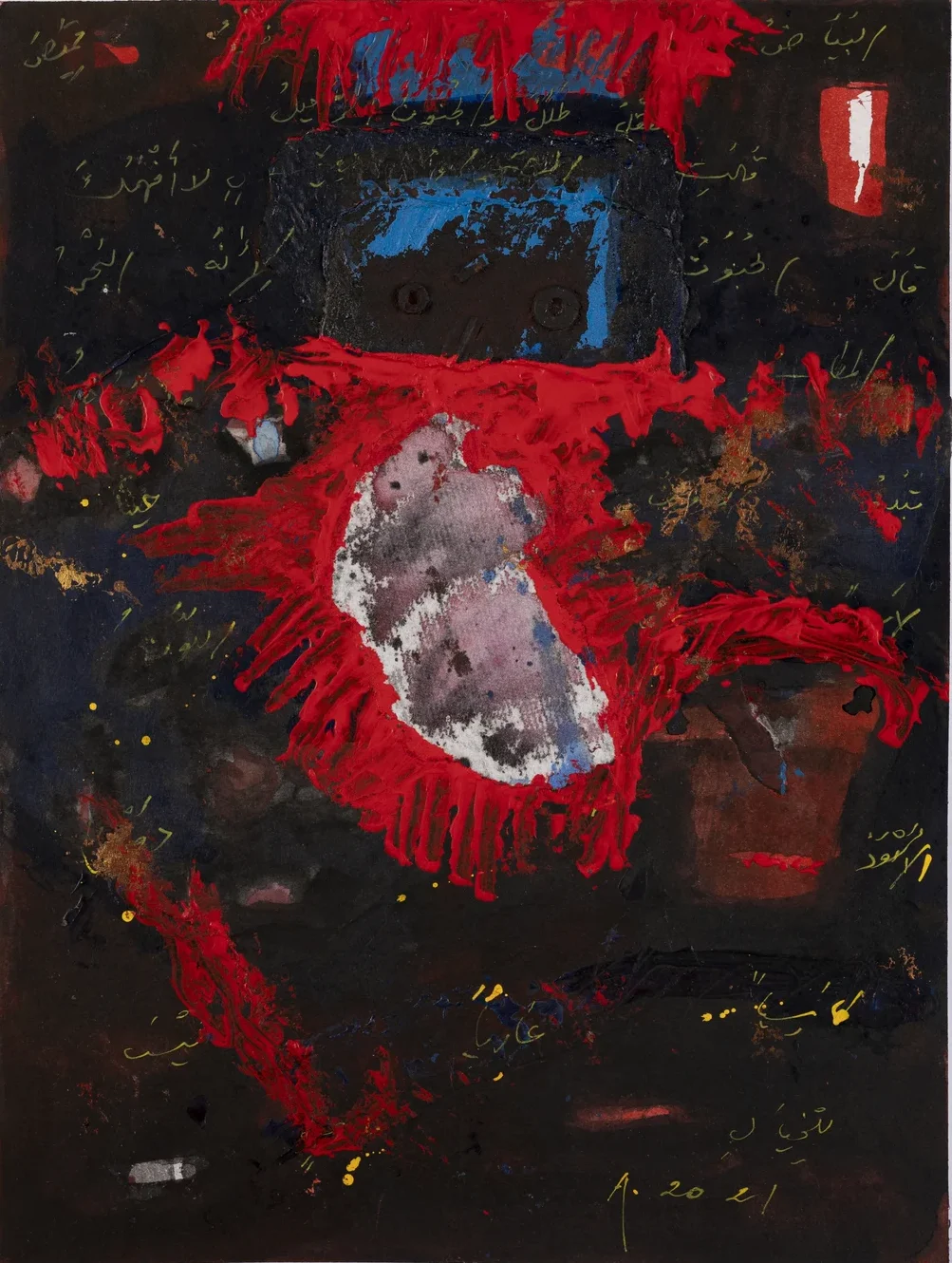
Untitled 104
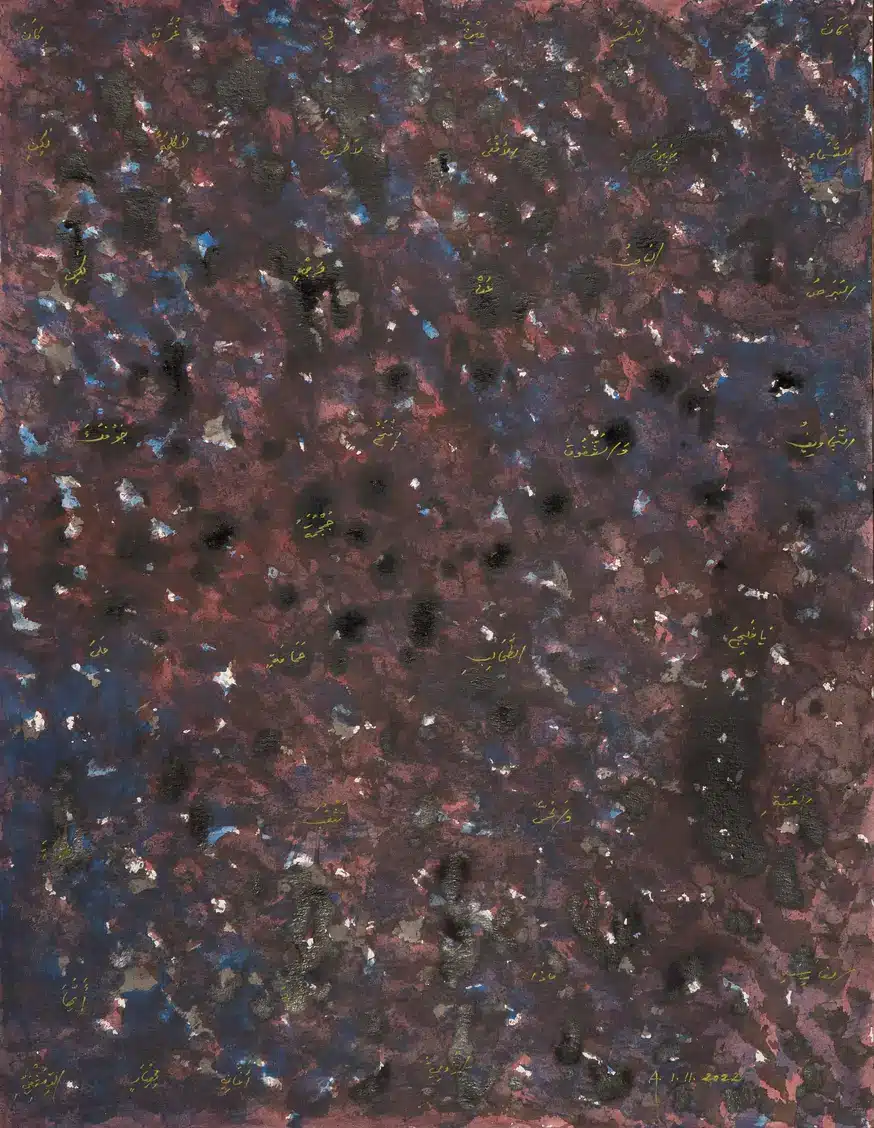
Untitled 17
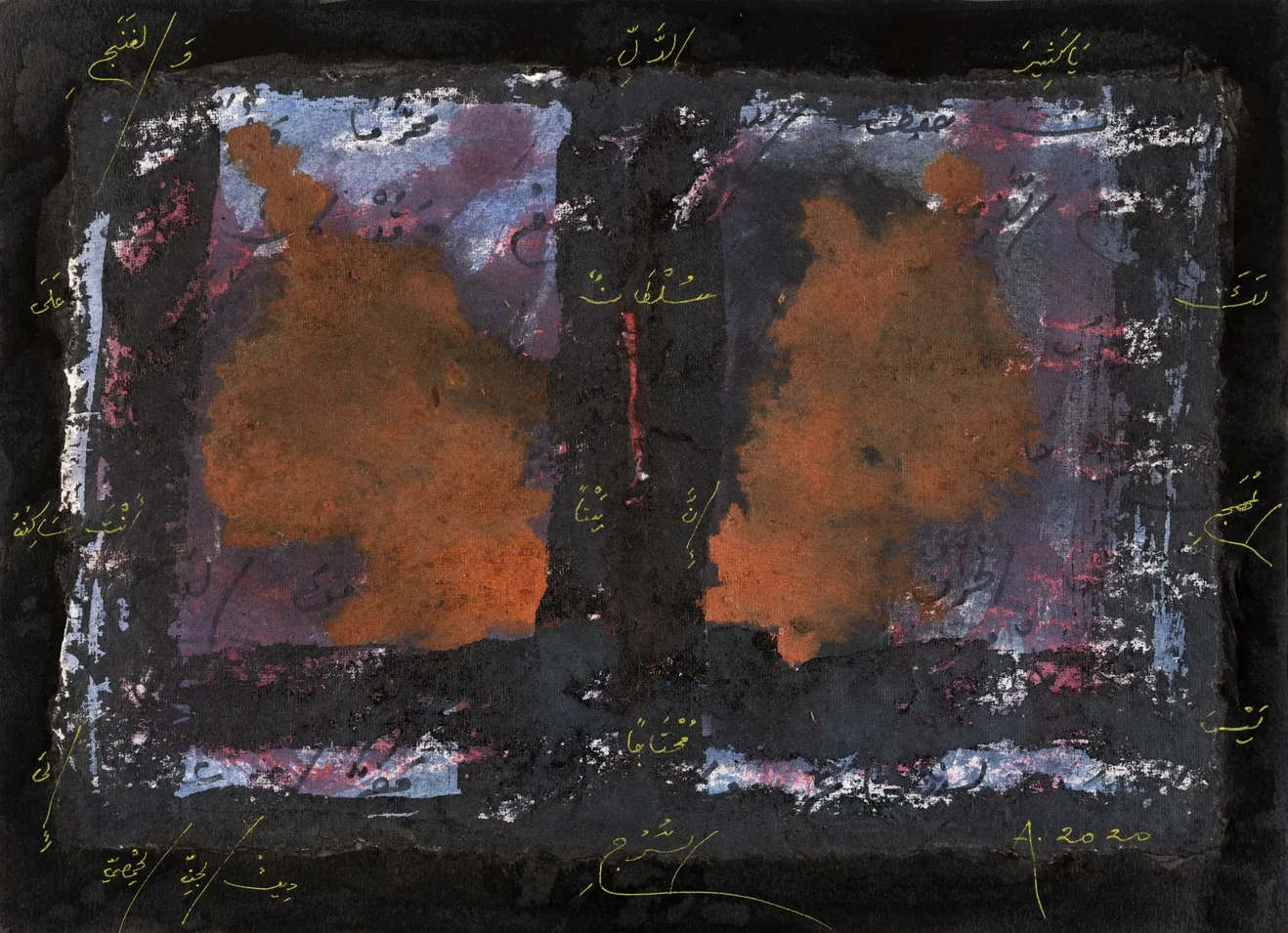
Untitled 103

Untitled 101
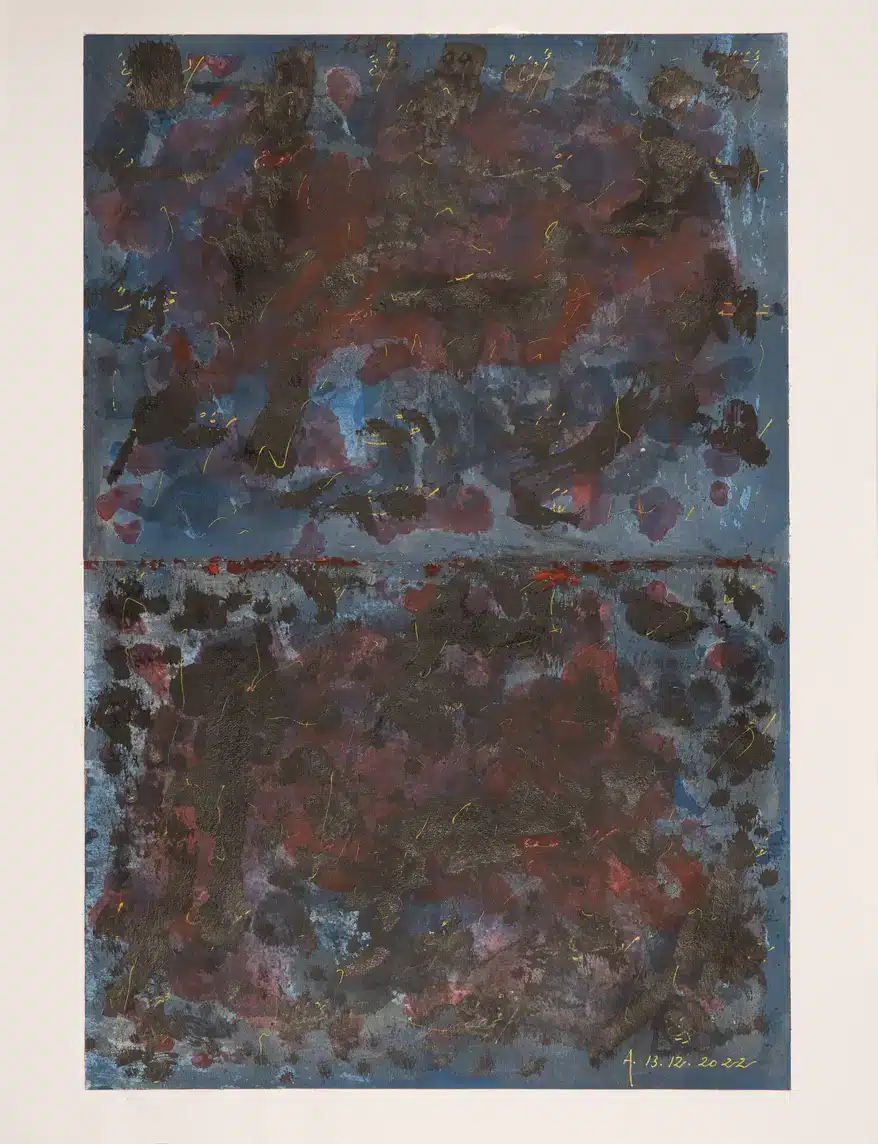
Untitled 20
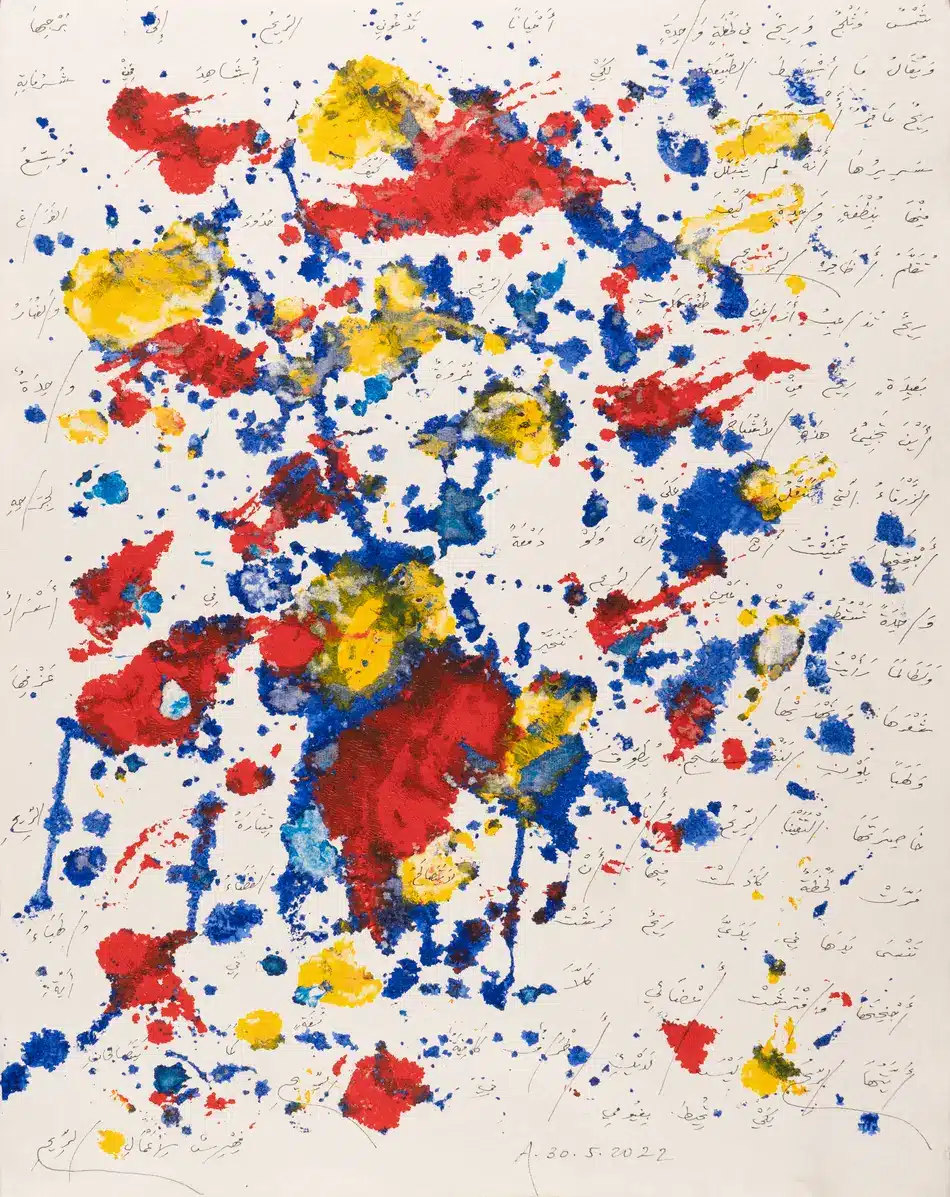
Untitled 33
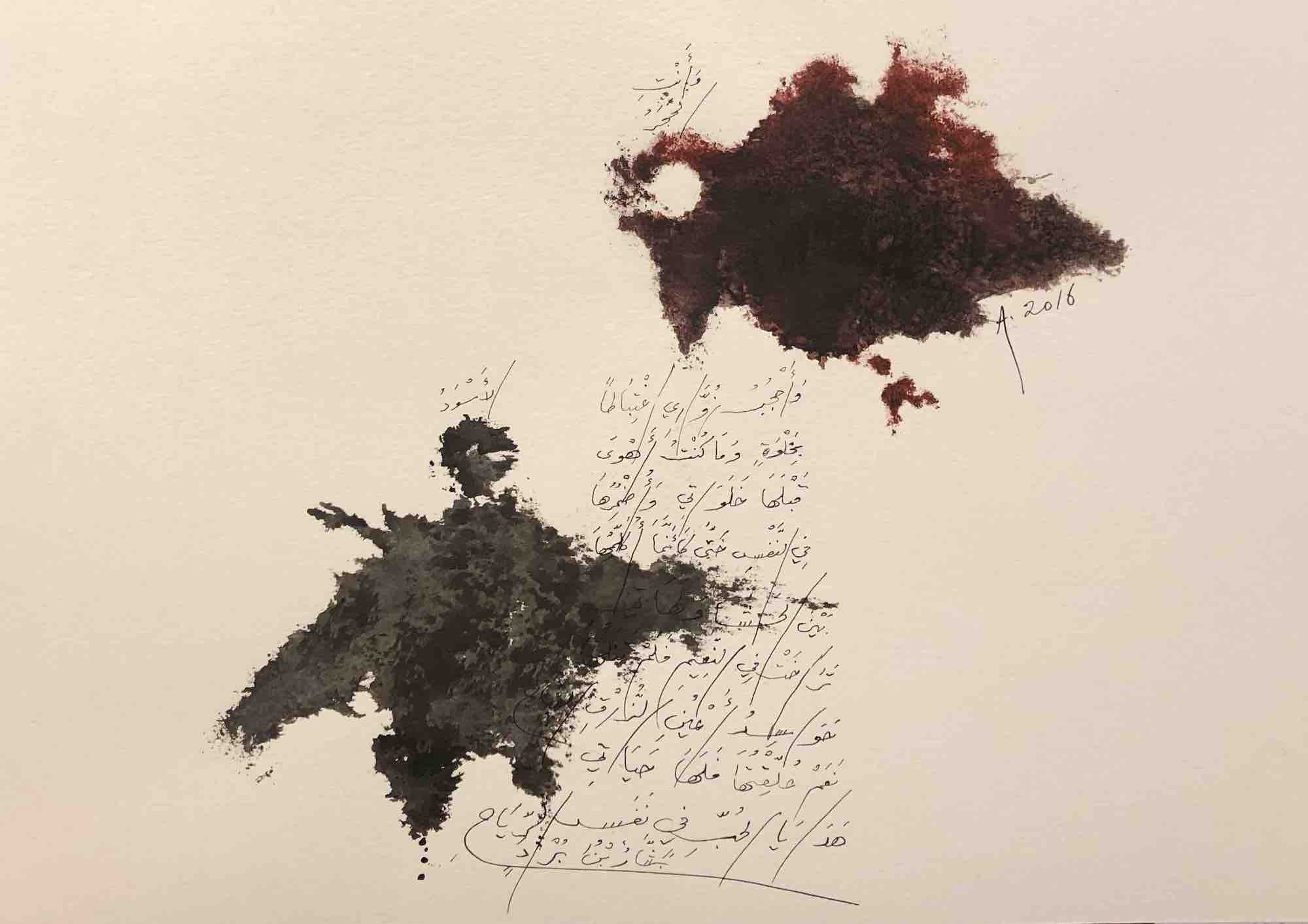
Untitled 7
Untitled 99

Untitled 92
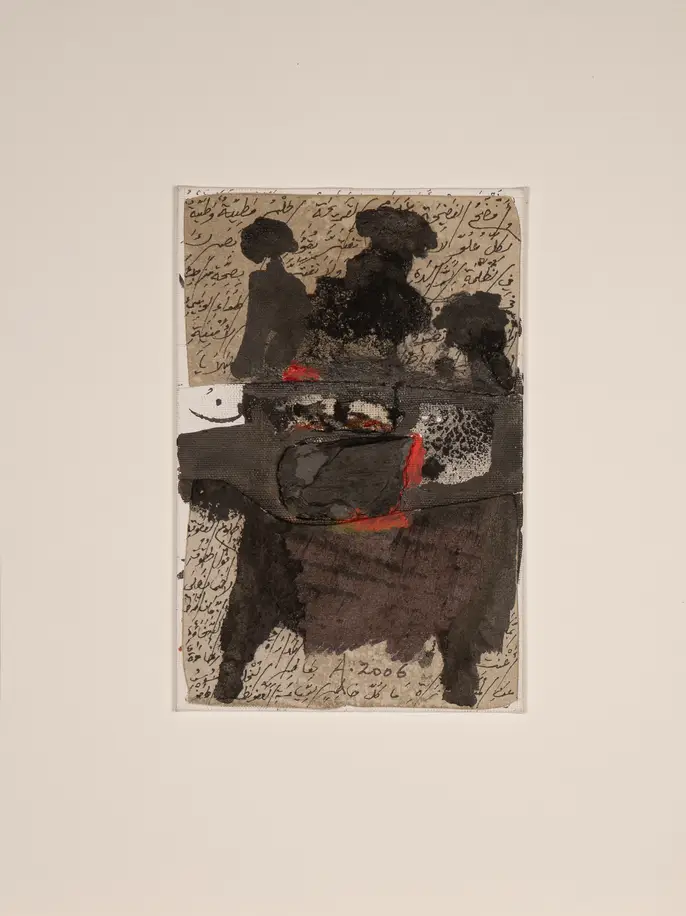
Untitled 3
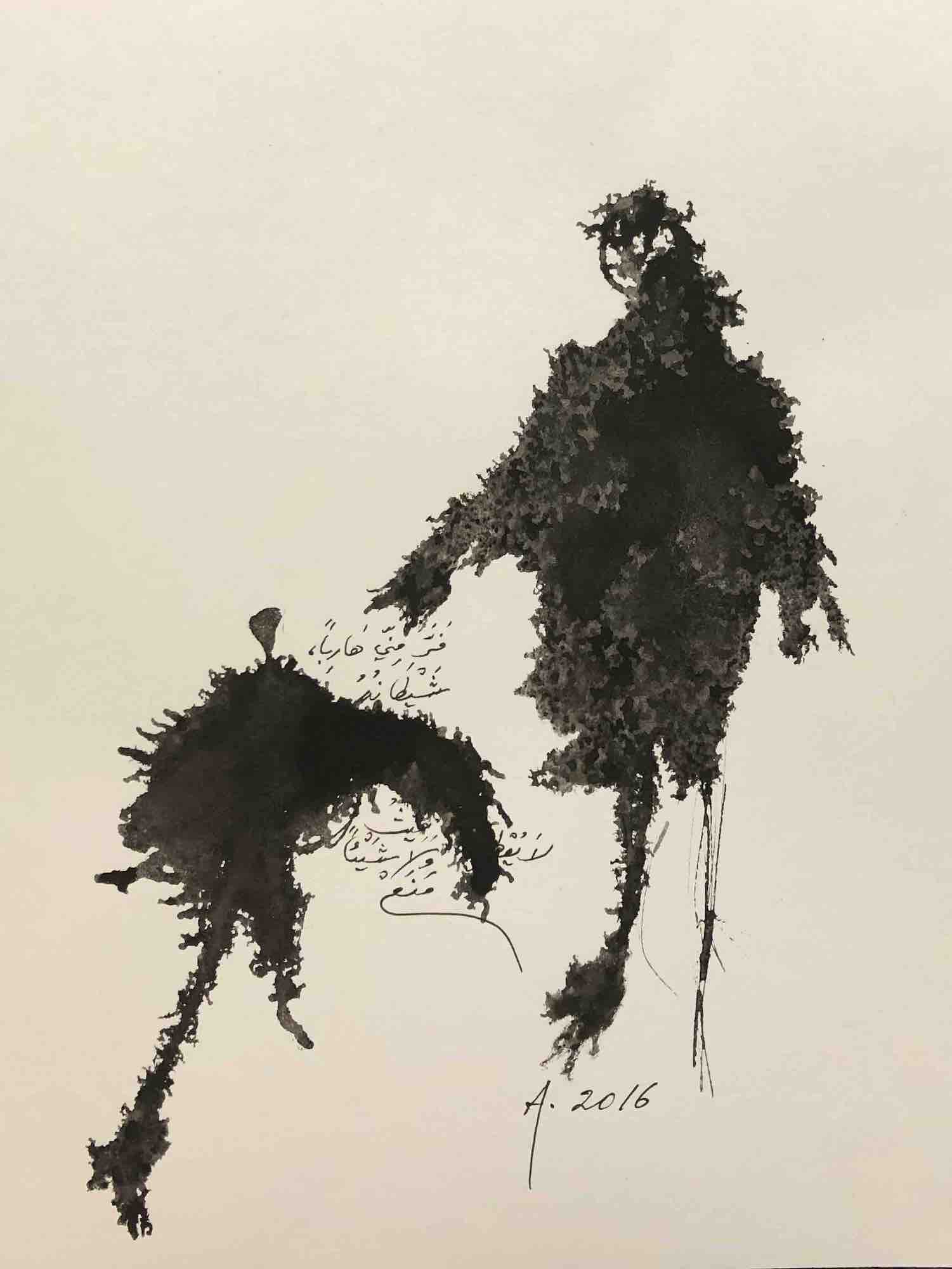
Untitled 6

Untitled 124
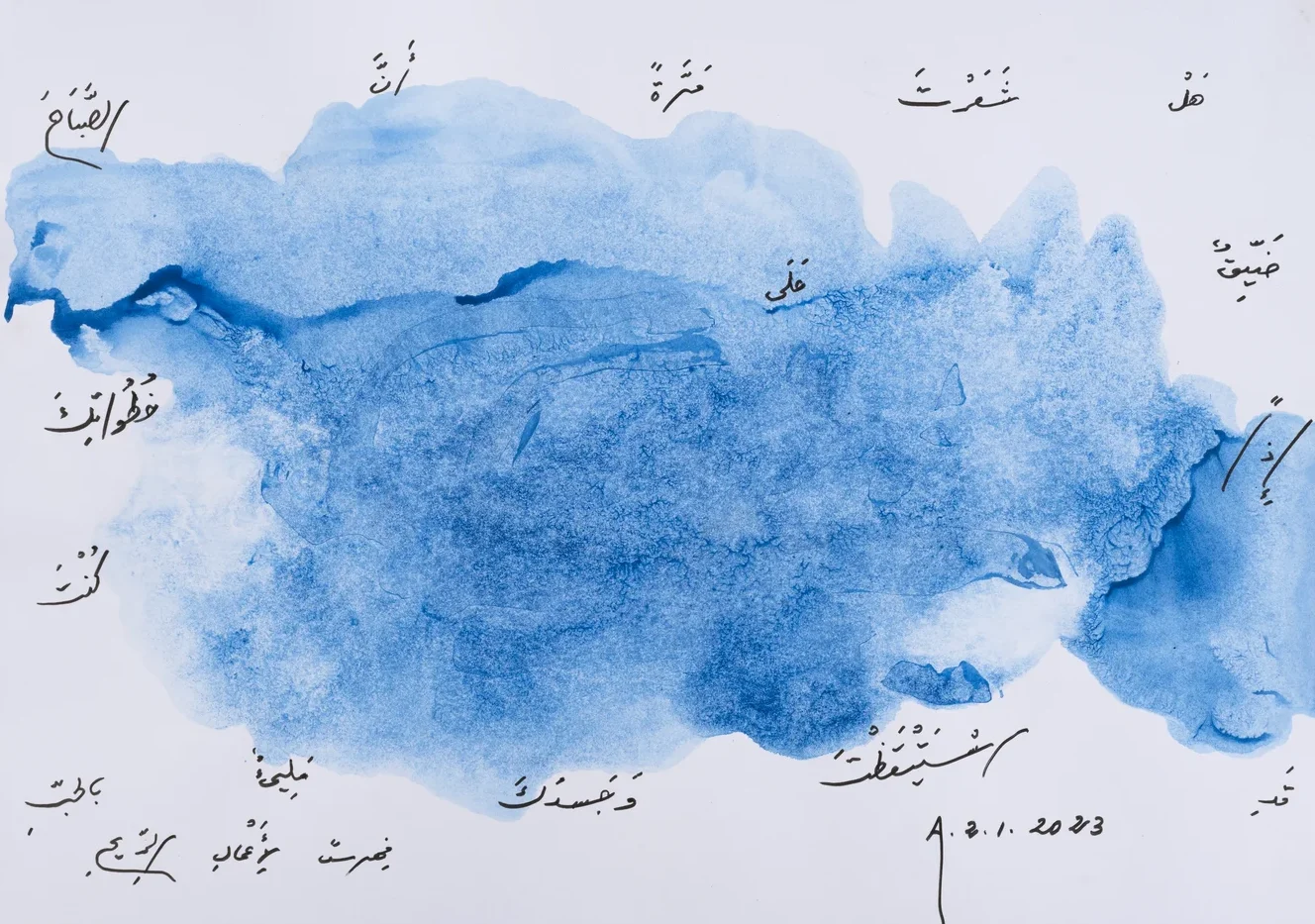
Untitled 119
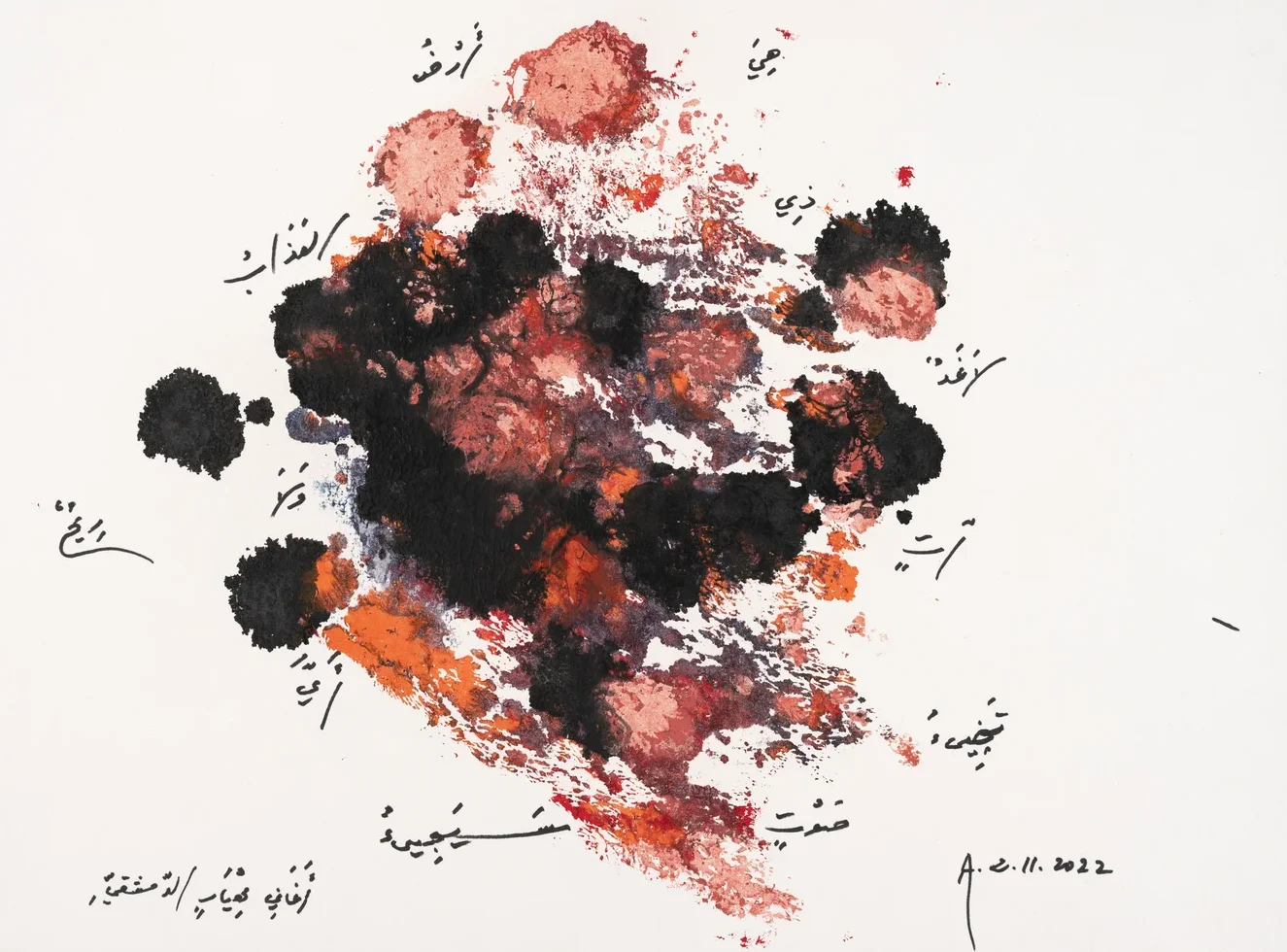
Untitled 109

Untitled 98
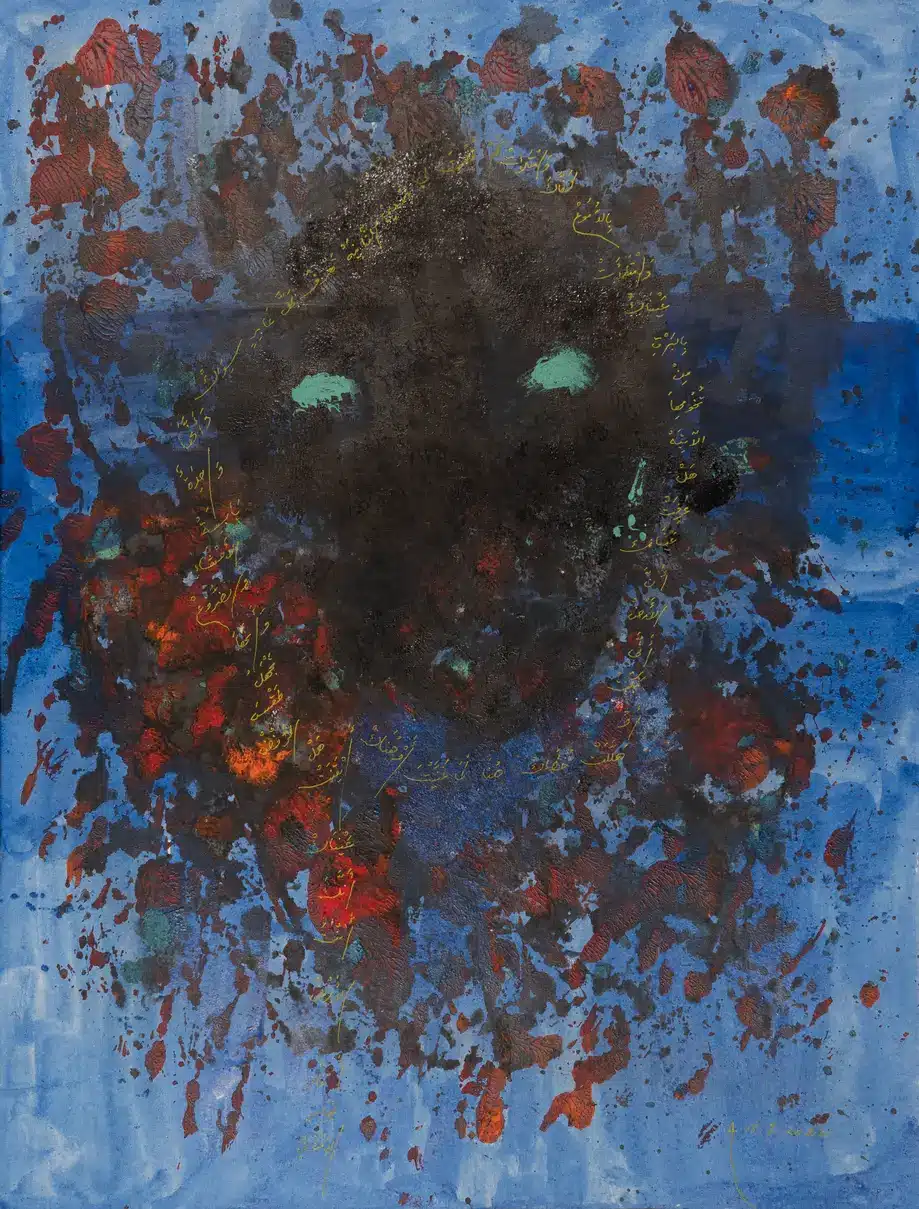
Untitled 22
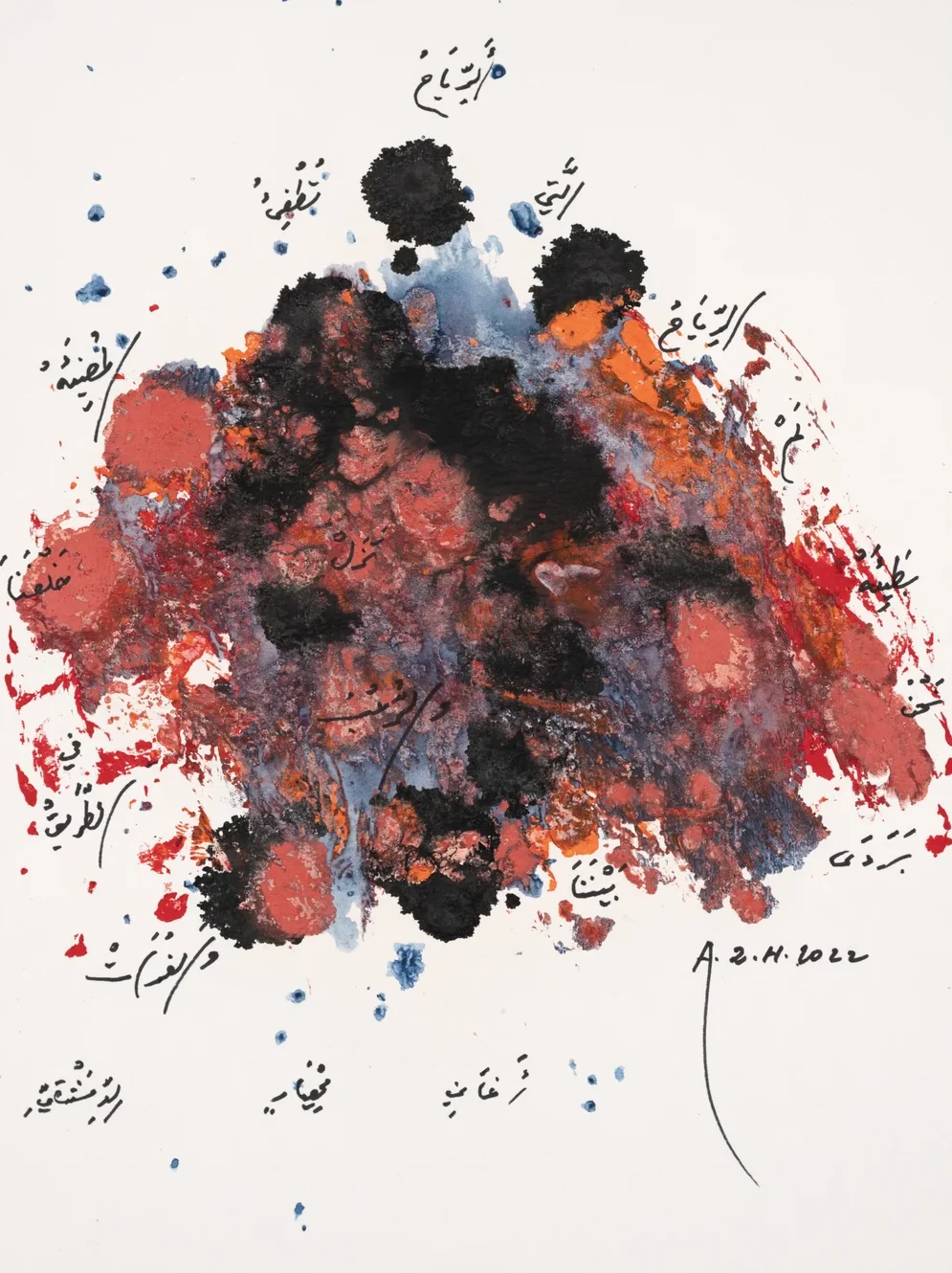
Untitled 110

Untitled 91
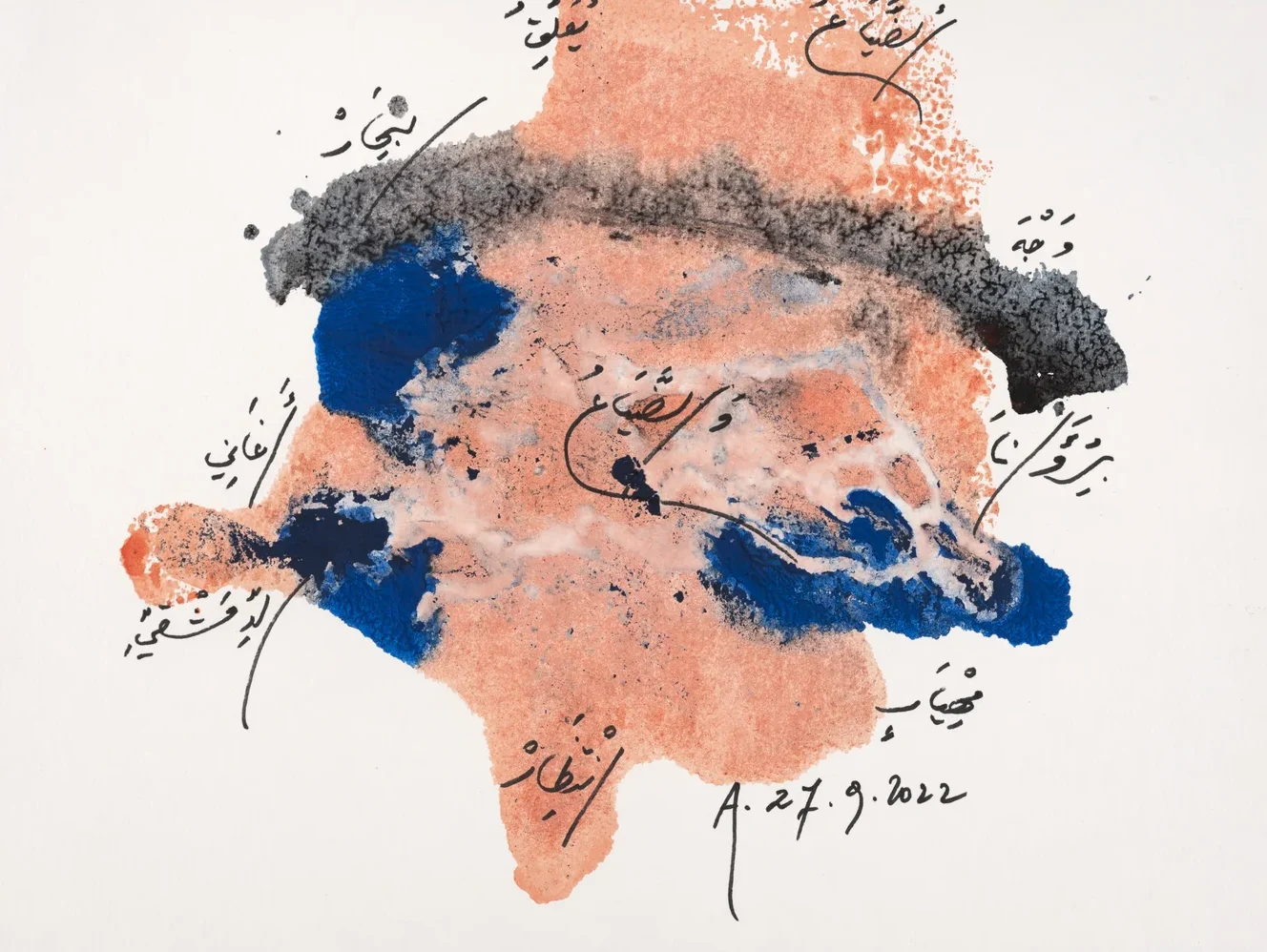
Untitled 118

Untitled 111
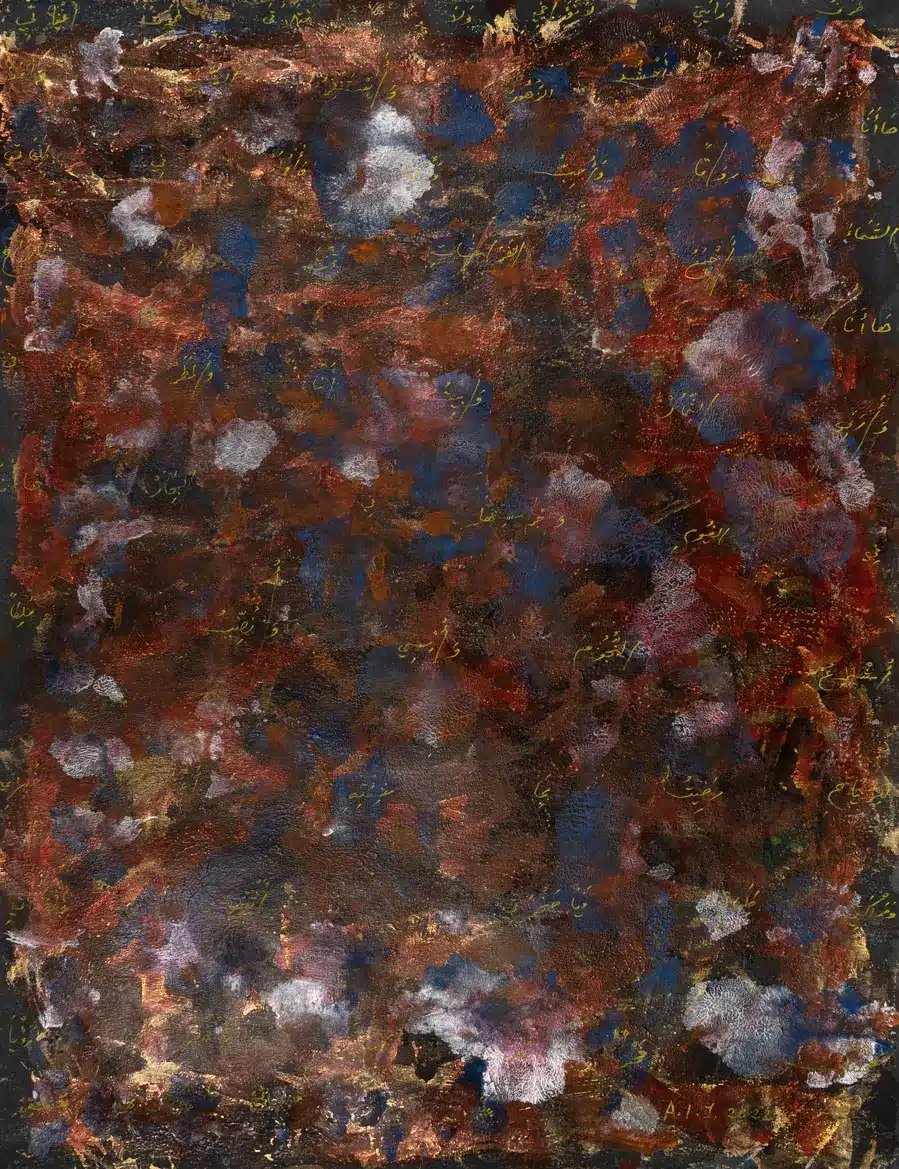
Untitled 24
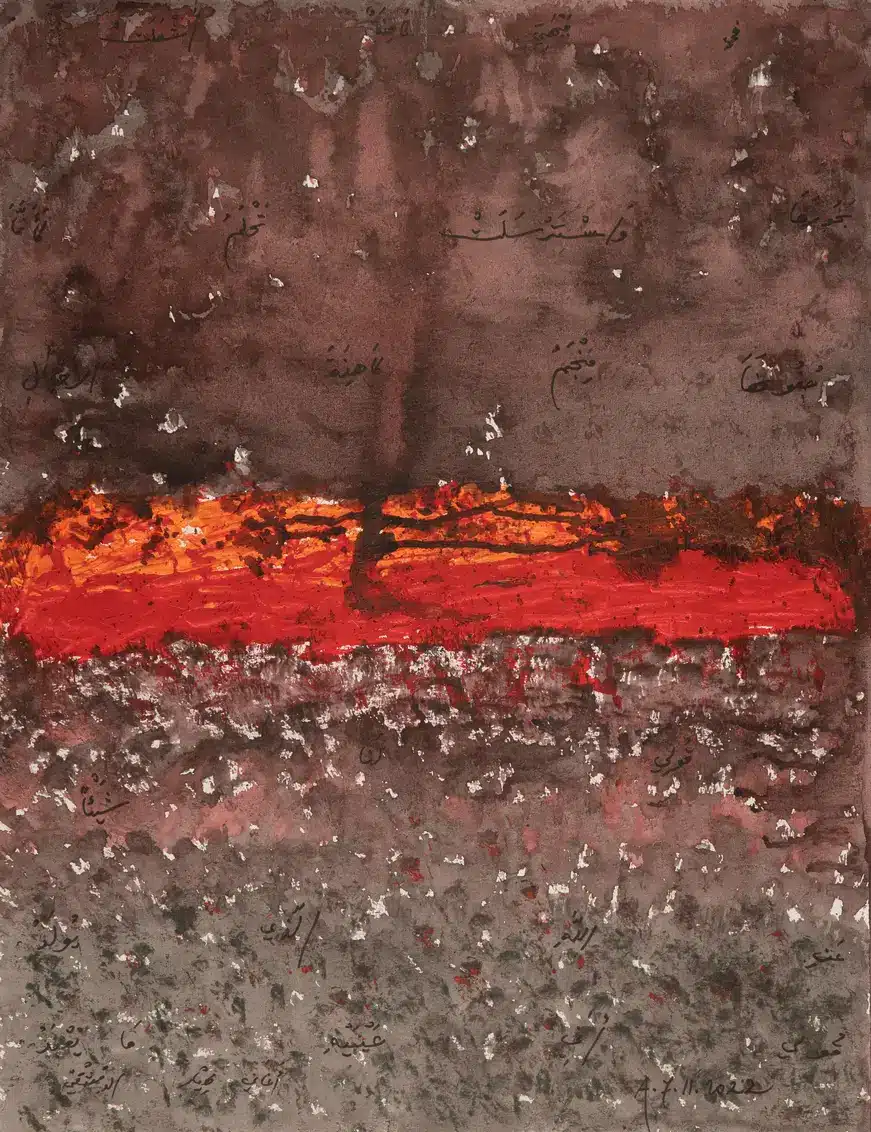
Untitled 19
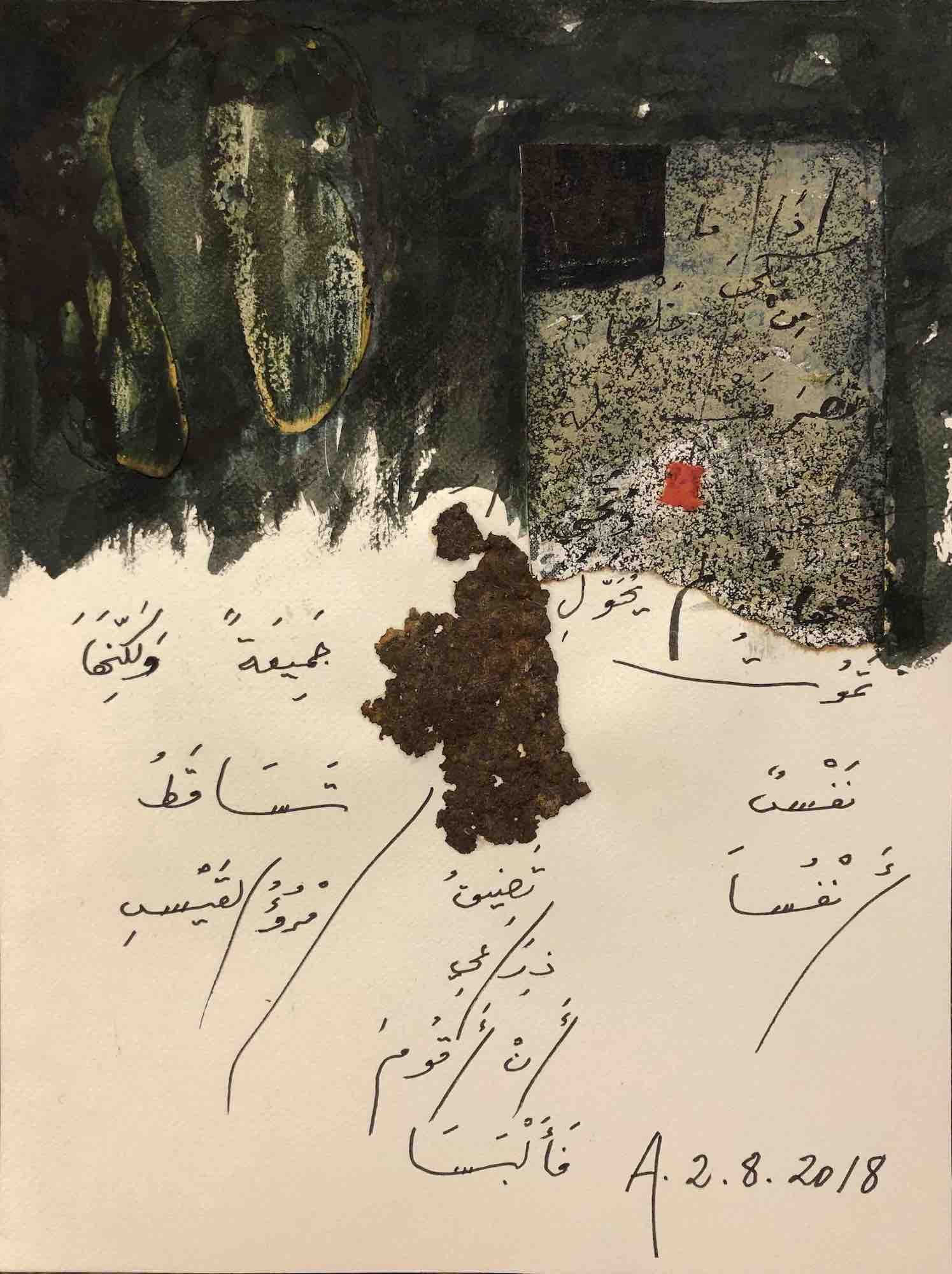
Untitled 13
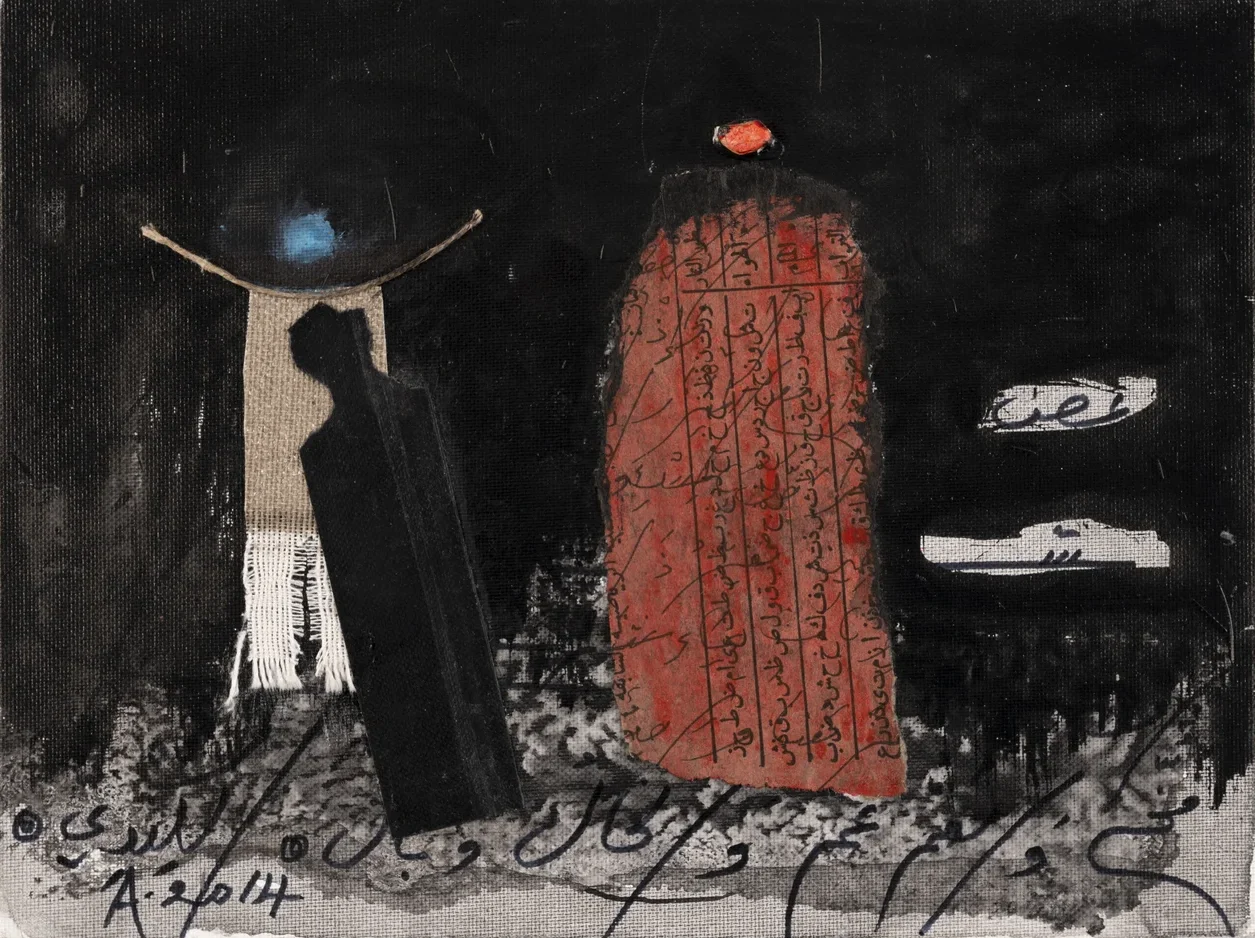
Untitled 106
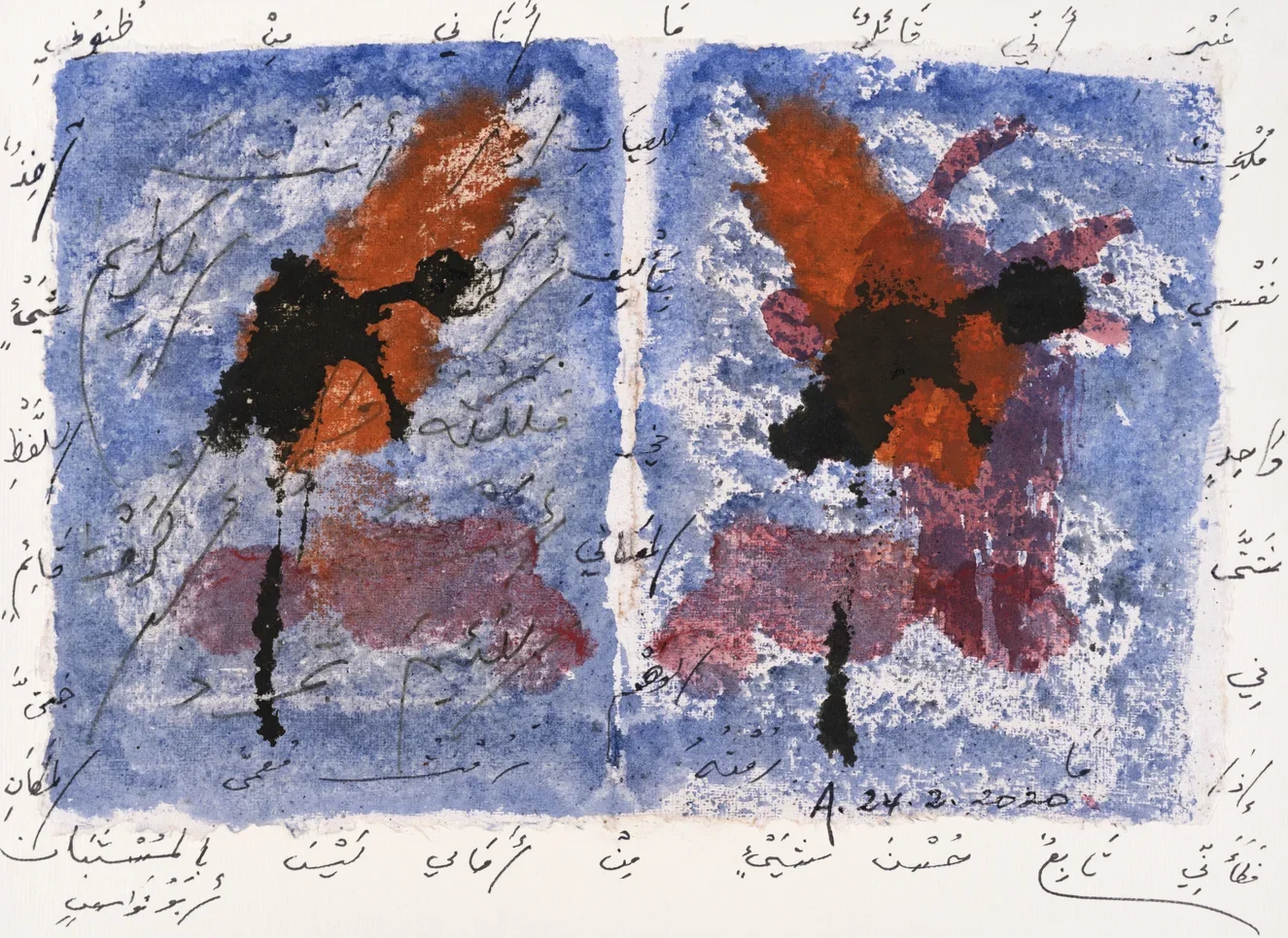
Untitled 123
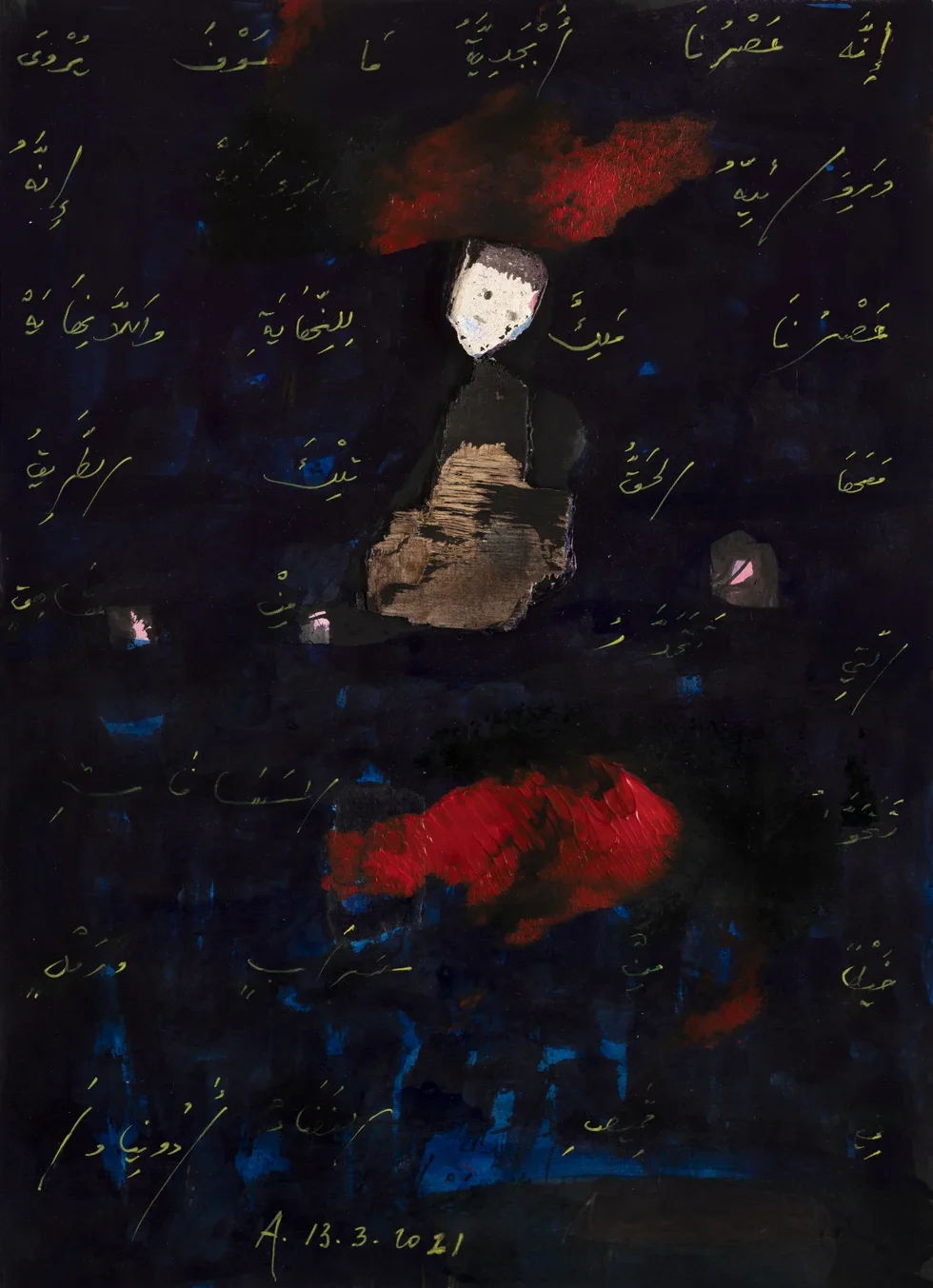
Untitled 97
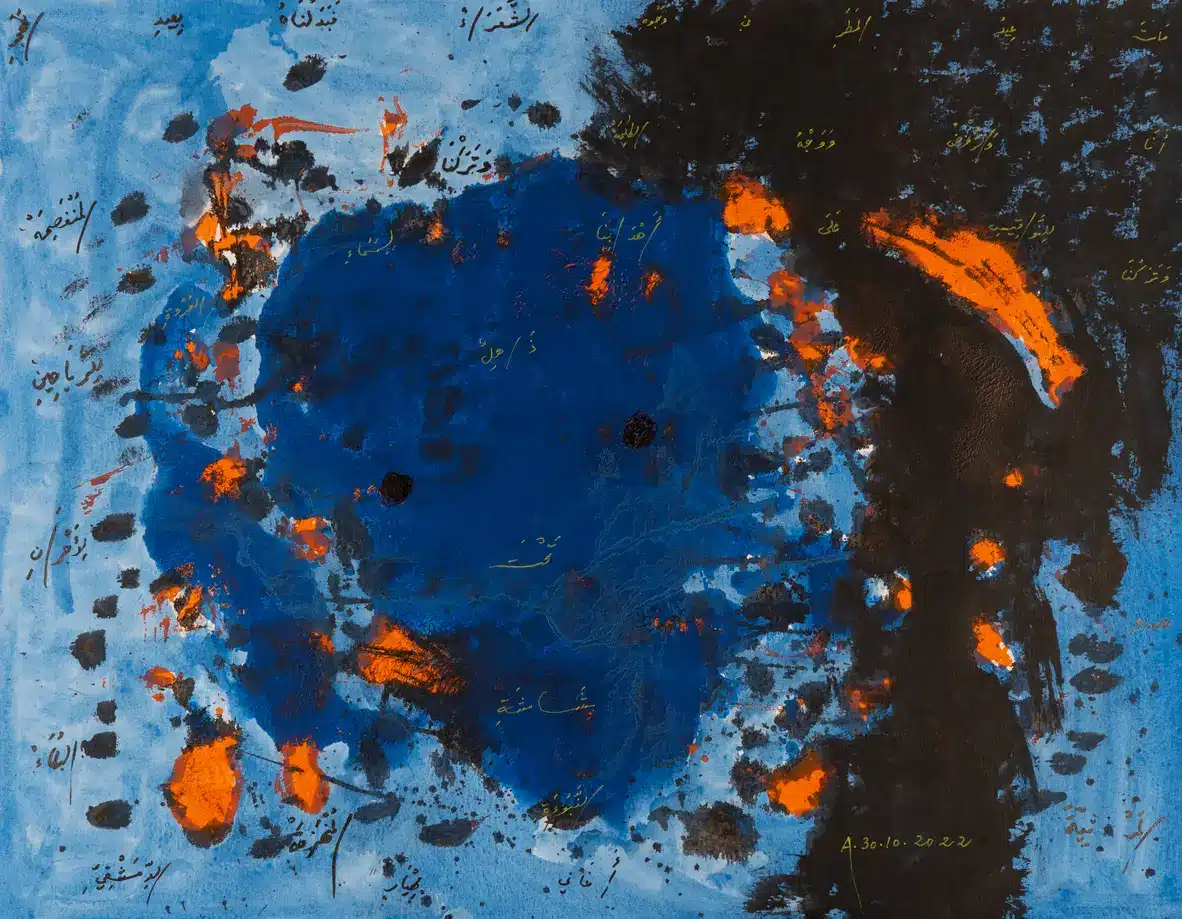
Untitled 35
ADONIS
Adonis is internationally renowned as a poet, essayist, philosopher and theoretician of Arab poetics. Referred to as “the greatest living poet of the Arab world” and “the grand old man of poetry, secularism and free speech in the Arab world”, or as « The man who remade Arabic poetry » (Robyn Creswell in The New Yorker, December 2017) he is one of the most influential figures in poetry. He has been writing for more than 75 years and has more than fifty published works in Arabic of poetry, criticism, essays, and translations. Rebelling against the tropes of traditional Arabic poetry to experiment with free verse, variable meter and prose poetry (drawing on Sufism and mysticism), he is responsible for a poetic revolution in the Arab world the scale of which has been compared to that of what T.S. Eliot did for the English poetic canon.
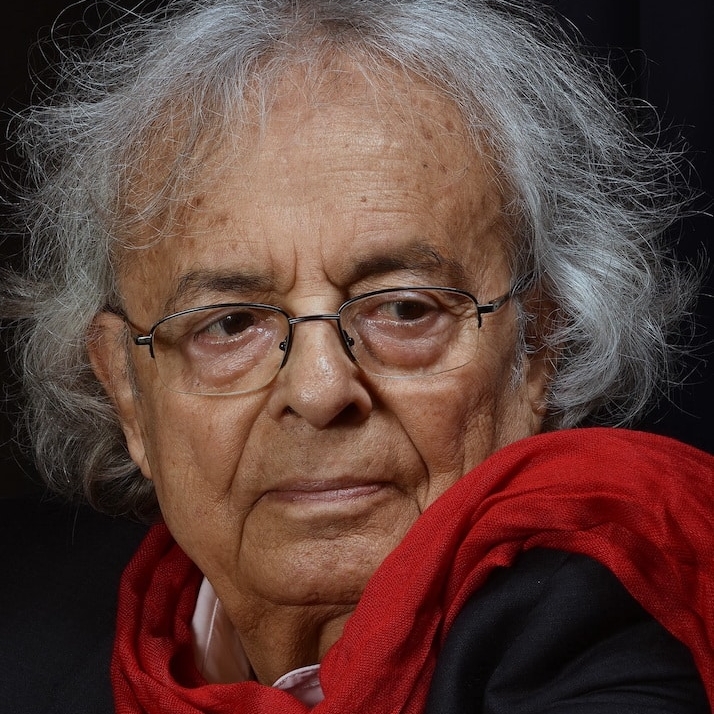

Adonis was born Ali Ahmad Saïd Esber in 1930, in the small village of Qassabin in the coastal mountains of Northern Syria. As a child, he attended the local Kuttab for instruction, reading mainly the Quran, while his father initiated him to classical Arabic poetry. After an encounter with the Syrian president Shukri Al-Quwatli during a visit to his village in 1944, Adonis was granted a place at the French Lycée in Tartus, and, by 17 was submitting poetry under the pen name of Adonis and in so doing unintentionally symbolizing what would become his world view, away from all that’s religious and nationalistic, embracing of all that’s human and universal. He studied philosophy at the University of Damascus in 1951, before serving in the Syrian military. During this time, he was imprisoned for alleged affiliations with the Syrian Social Nationalist Party, and upon his release, fleeing persecution he moved to Beirut in 1956 where his wife, Khalida Saleh joined him a few months later.
In Beirut, he joined the circle of the poet Yusuf al-Khal (1917–87), who has returned to Lebanon in 1953 after an extended stay in the United States and founded the literary journal Shi’r (Poetry), trying to gather the local literary avant-garde around him. When Adonis arrives in Beirut in 1956, he co-directs the journal with al-Khal. This publication, which is dedicated exclusively to the avant-garde, offers a platform not only to recent poetry from the region but also to translations from Western languages, above all from English and French. In addition to editing this journal, Adonis produces his own publications and volumes of poetry, initiating a revolution in the structures and themes of Arabic poetry. In 1960, he spends a year studying in Paris with a scholarship from the French government. In 1961, he publishes Songs of Mihyar the Damascene which is considered to be a turning point not only in Adonis’ writing but in the modernist poetry movement in the Arab world as well. In 1968, he founds his own magazine, Mawâkif (Positions) a unique experience of freedom of speech featuring, alongside with poetry and verses, essays on politics, religion, philosophy, and literary theory, gathering writers from all Arab speaking countries.
In 1971, he receives the Syria-Lebanon Award from the International Poetry Forum in Pittsburgh. This same year, he writes his long poem Tombeau for New York which he considers as an important stage in his life as a poet. He is appointed as professor at the Lebanese University in Beirut and in 1973, he publishes his PhD dissertation, The Fixed and the Dynamic, a synoptic study of Arabo Islamic history, including social movements, literature and theology from the pre-Islamic period through the early twentieth century. In 1980, he teaches as a visiting professor at the Université de la Sorbonne Nouvelle, Paris III, and in 1984, Adonis gives a series of four lectures at the Collège de France titled “An Introduction to Arab Poetics.” In 1986, he moves with his family to the French capital for the long term. That same year, he receives the Grand Prize of the Biennale Internationale de la Poésie in Liège.
Between 1995 and 1997, he is a visiting lecturer at the Institute for the Transregional Study of the Contemporary Middle East, North Africa, and Central Asia, Princeton University. From 1998 to 2000, he spends two years in Berlin as fellow at the Institute for Advanced Studies. From 1995 to 2002 he publishes the 3 volumes of Al Kitab (The Book), his poetry masterpiece.
Adonis’ poetry is translated to many languages, including French, English, Chinese, Spanish, Italian, Swedish, and German, to mention a few. His works in English translation include The Blood of Adonis (selected poems translated by Samuel Hazo), An Introduction to Arab Poetics (essay, Saqi books), The Pages of Day and Night (selected poems translated by Samuel Hazo), If Only the Sea Could Sleep, (selected poems translated by Kamal Bullata, Susan Einbinder and Mirène Ghossein), A Time Between Ashes and Roses (translated by Shawkat M. Toorawa, Syracuse University Press), Sufism and Surrealism (essay, Saqi books), Adonis, selected poems, (translated by Khaled Mattawa, Yale University Press), Violence and Islam I and II, Conversations with Houria Abdelouahed (Polity Books), Concerto al-Quds, (translated by Khaled Mattawa, Yale University Press), Songs of Mihyar the Damascene, (translated by James Kareem Abu-Zeid and Ivan Eubanks, New Directions).
Adonis has won numerous awards, including the highest French honour of Chevalier of the Légion d’Honneur (2012), Commander of the Ordre des Arts et des Lettres (1997), Turkey’s Nazim Hikmet Prize (1994), the Premio Nonino Internazionale, (Italy, 1999), The Bjornson Prize for Freedom of Expression (Norway, 2007), Goethe Prize (Frankfurt, Germany 2011), the Petrarca-Preis (Munich, 2013), the Erich-Maria Remarque Freedom Award (Osnabruck, 2015), Prix Littéraire Prince Pierre-de-Monaco (2016), the US PEN/Nabokov International Literature Lifetime Achievement Award (2017), The 13th Poetry and People Award (Guangzhou, China) 2018.
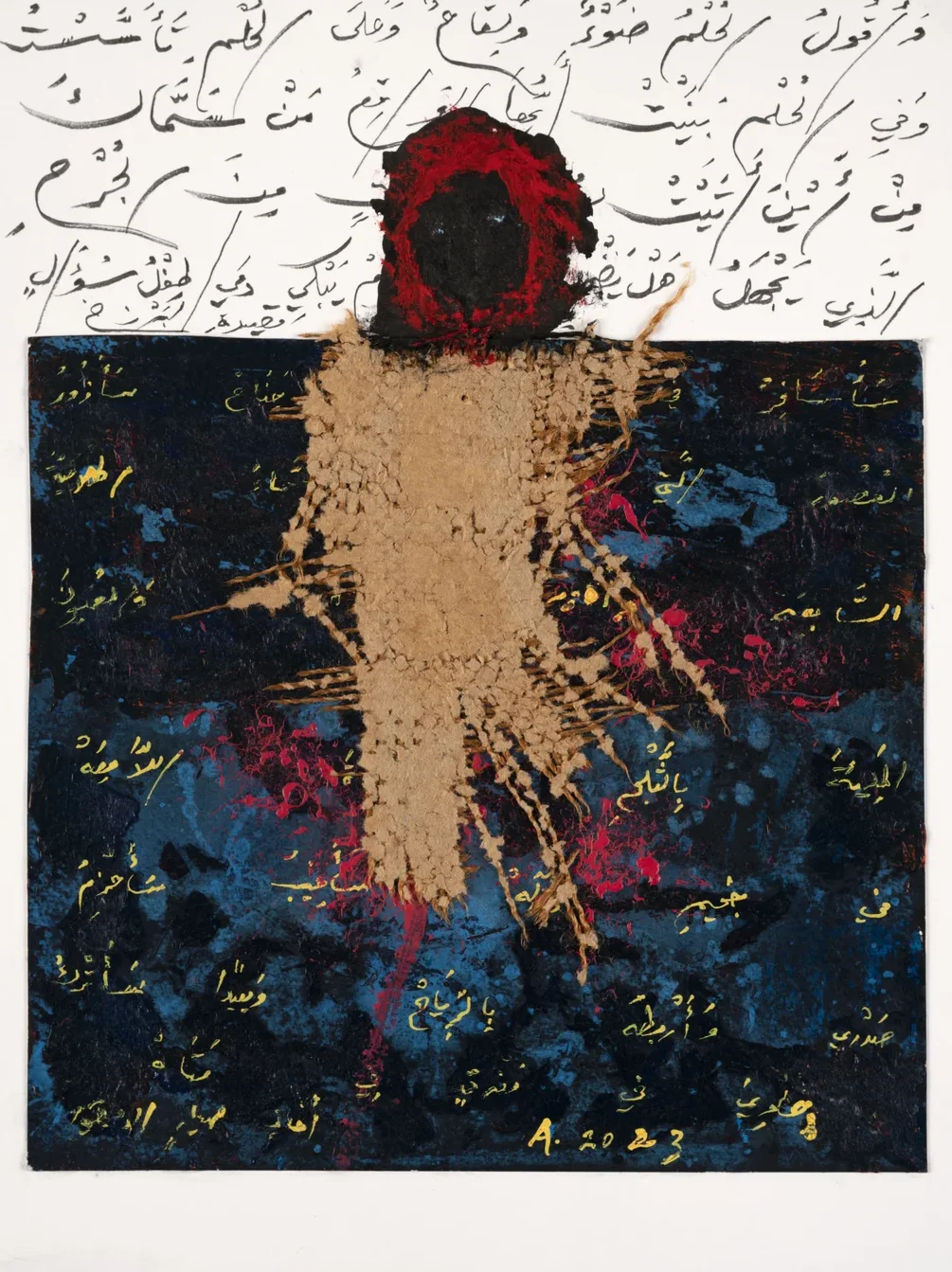
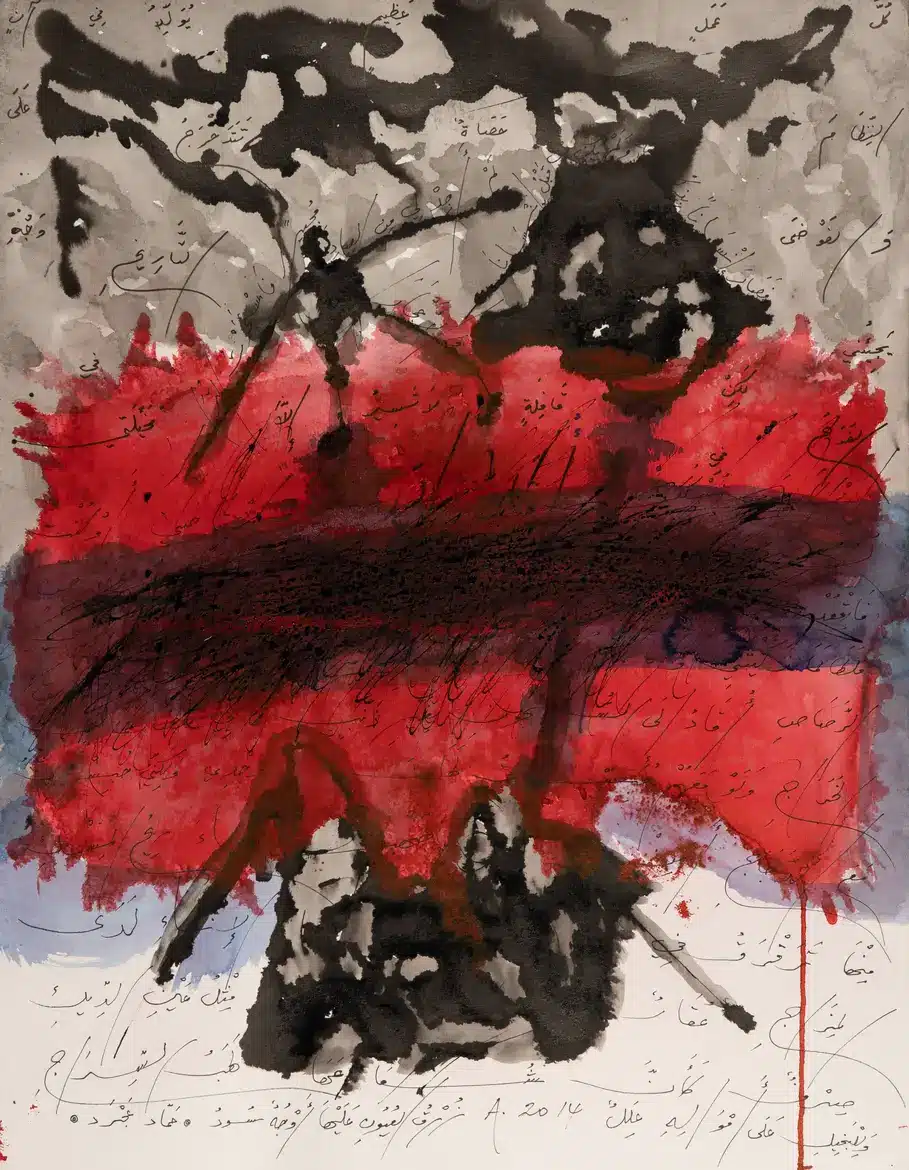
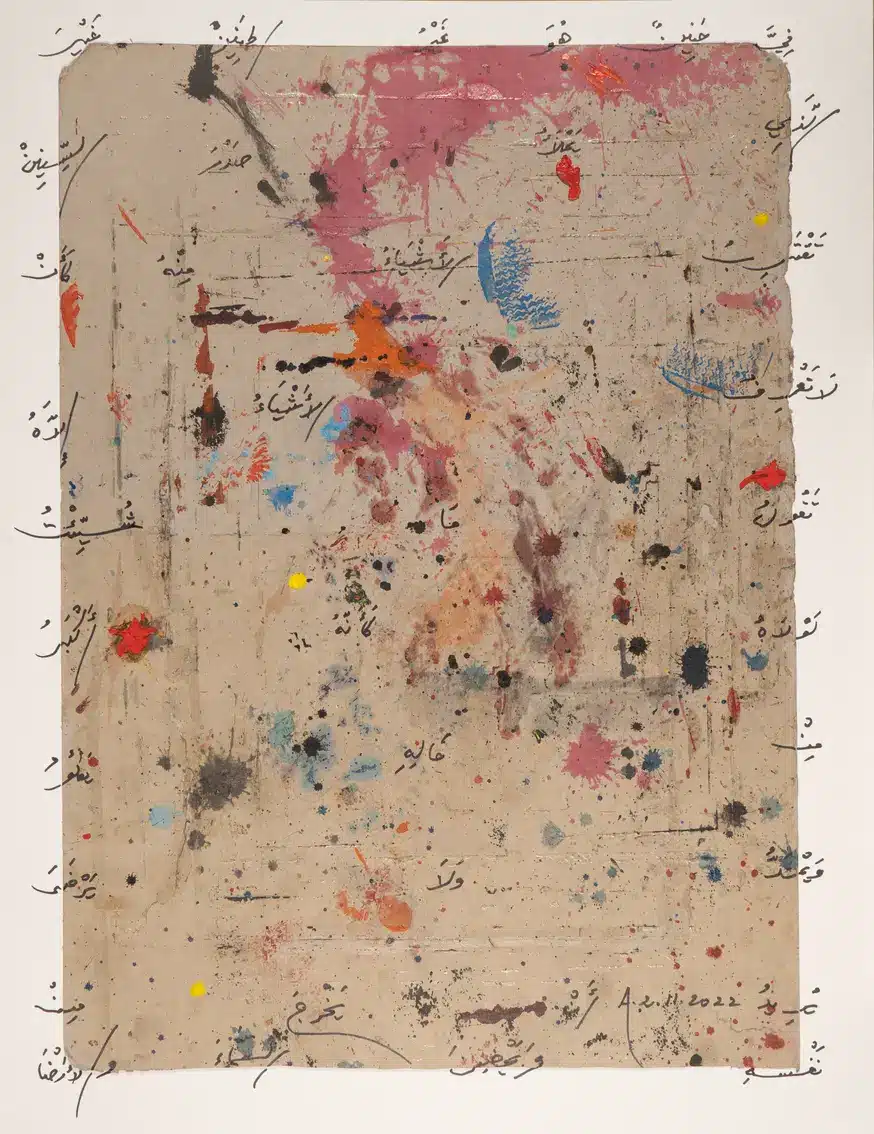
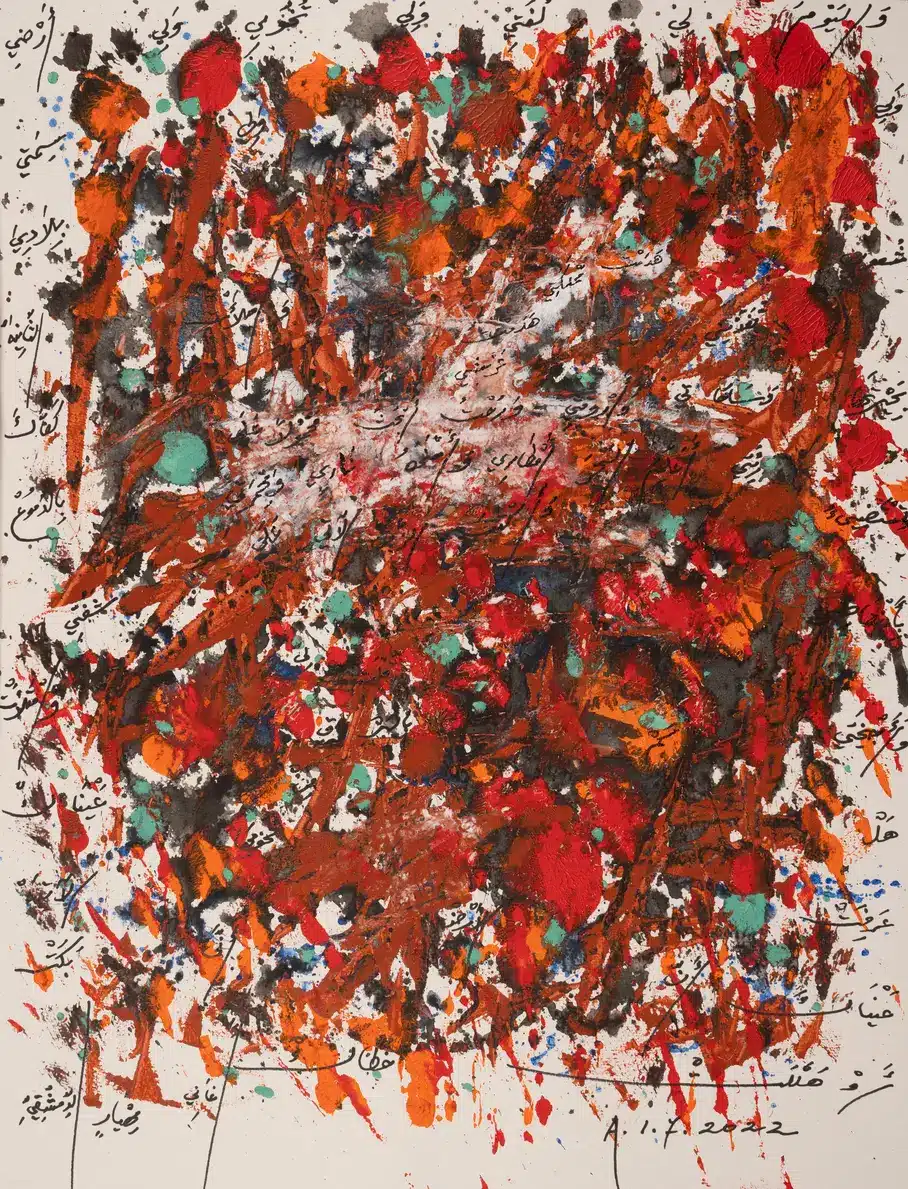
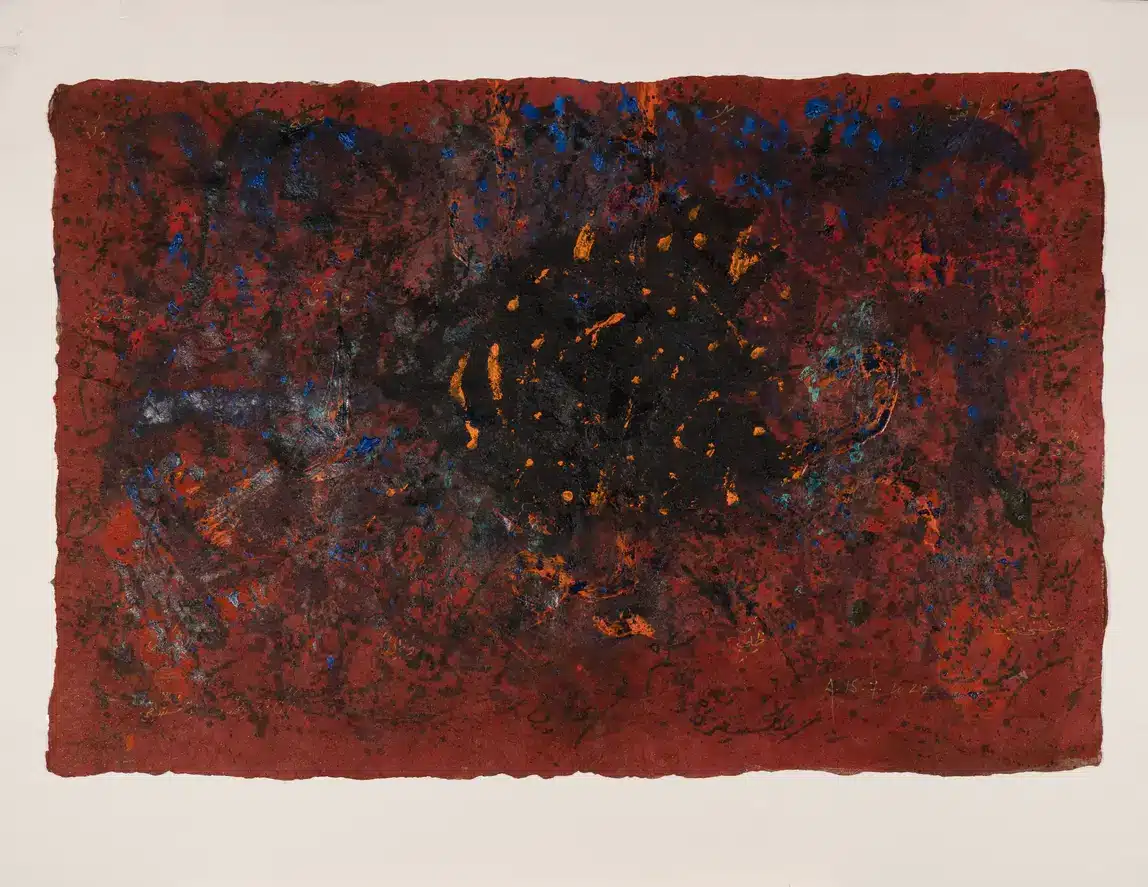
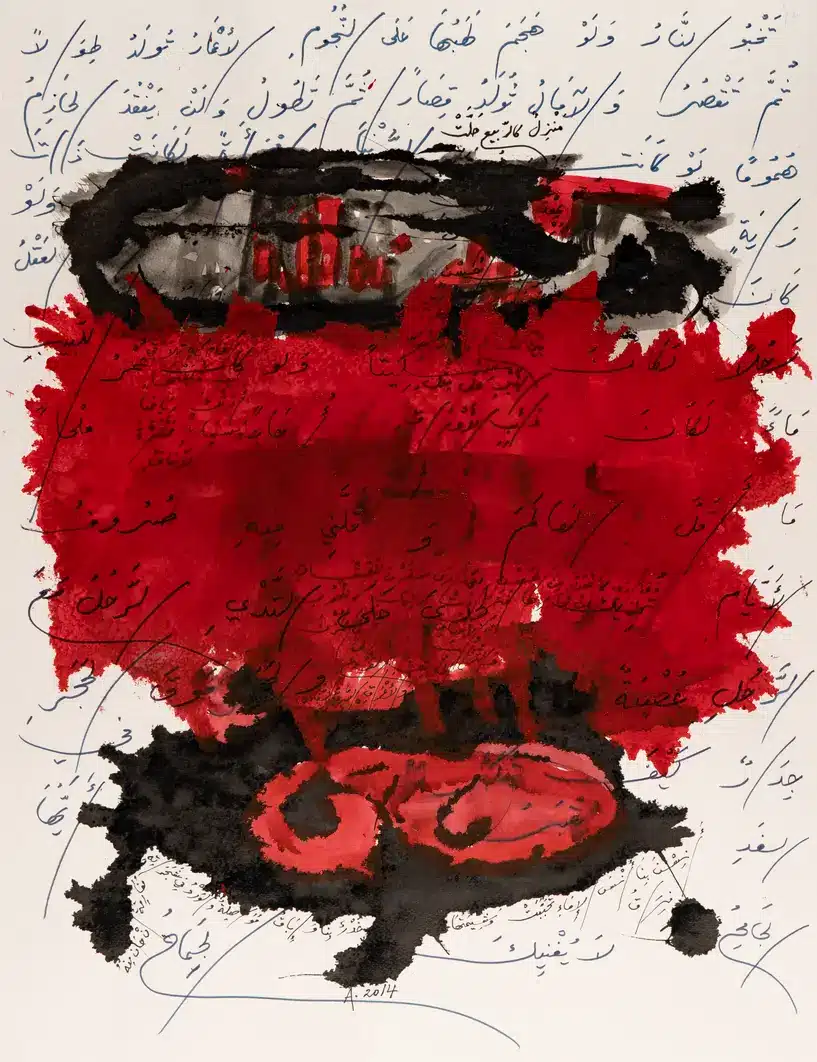
Adonis has collaborated with several artists, including Mona Saudi, Kamal Boullata, Dia Azzawi and Ziad Dalloul. In the 80’s he started his own experiences with visual art exploring a new artistic and poetic expression, by writing and drawing simultaneously, mixing collages, calligraphy and encres de Chine.
Since then, this visual work has been presented in numerous solo exhibitions in Paris, London, Berlin and in China.
It is important to stress out that Adonis does not consider himself as a painter. For him, this visual work is an extension to his poetry and writings.
Nothing found.
Nothing found.
Nothing found.
Expressive Beat
2009
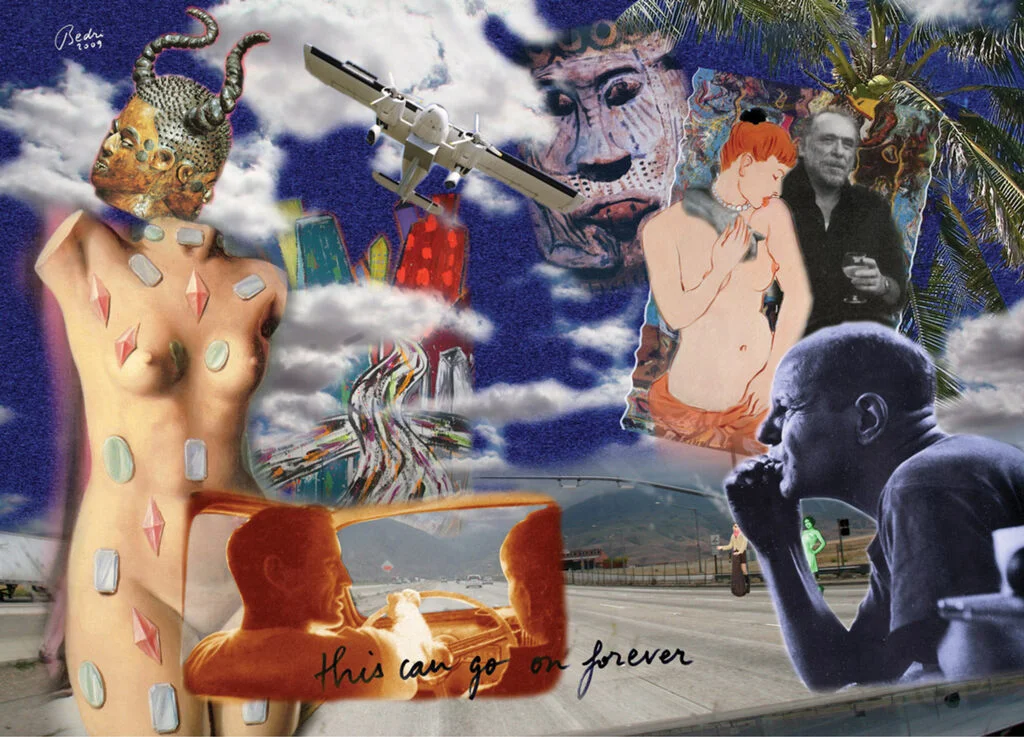
African Art, that we see on the background of this large size lenticular 4D, influenced among other movements, surrealism. As we see here in the works of Magritte. Surrealism influenced beat generation writers in California, through its visuals and its automatic writing, as was influenced Jack Kerouac in his legendary beat novel On The Road portrait here in the being of Neal Cassady (a car, a girl, a road and Neal Cassady anytime, anywhere) Beat generation writers influenced American Abstract Expressionist painters like the unforgettable Jackson Pollock we can spot on the right; the abstract expressionists influenced new generation writers again in the post-war era like Charles Bukowski, who this time influenced the Neo-expressionist painters of the end 70s and the 80s with his freestyle nonchalant prose;
The painting states in fact overall that “this can go on forever” and that several generations of art and artists are influencing each other continuously and consecutively.
(Baykam also has an abstract large painting from the 80s called This Can Go On Forever)
- 70.87" x 94.49" in (180 x 240 cm) Edition of 3 + AP
We ship worldwide and use a multitude of providers to safely deliver your artwork. Domestic delivery and installation may also be available via Hilton Contemporary’s private art shuttle. Please inquire.
The Drunken Boat
2007
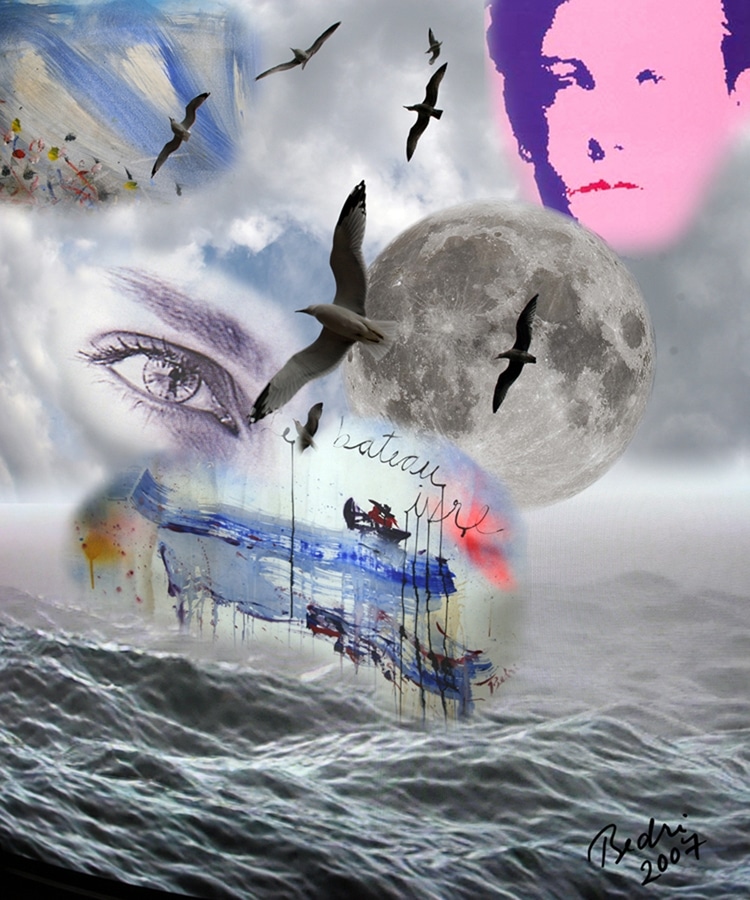
Baykam’s first lenticular, in 2007, referential 4D (besides Baykam’s Fenerbahçe lenticulars. Name of his famous İstanbul Football Club. For whom Baykam prepared a full exhibition for the 100th year of the club.) The Drunken Boat (Le Bateau Ivre) one of the ever most famous poems in French Literature, by legendary, child prodigy poet, Arthur Rimbaud. Baykam originally did this drawing in 1985 and it portraits the drunken boat going uphill in the ocean. The eye on the left belongs to his wife Sibel. The name meaning “so beautiful” in French. A thin attractive portrait of young Arthur Rimbaud who is passionate and tumultuous relation with another French male poet, Paul Verlaine became one of the most crazy and epic affairs of the late 19th century.
- 47.24" x 35.43" in (120 x 90 cm) Edition of 3 + AP
We ship worldwide and use a multitude of providers to safely deliver your artwork. Domestic delivery and installation may also be available via Hilton Contemporary’s private art shuttle. Please inquire.
The Harem D’Avignon is 100 Years Old
2008
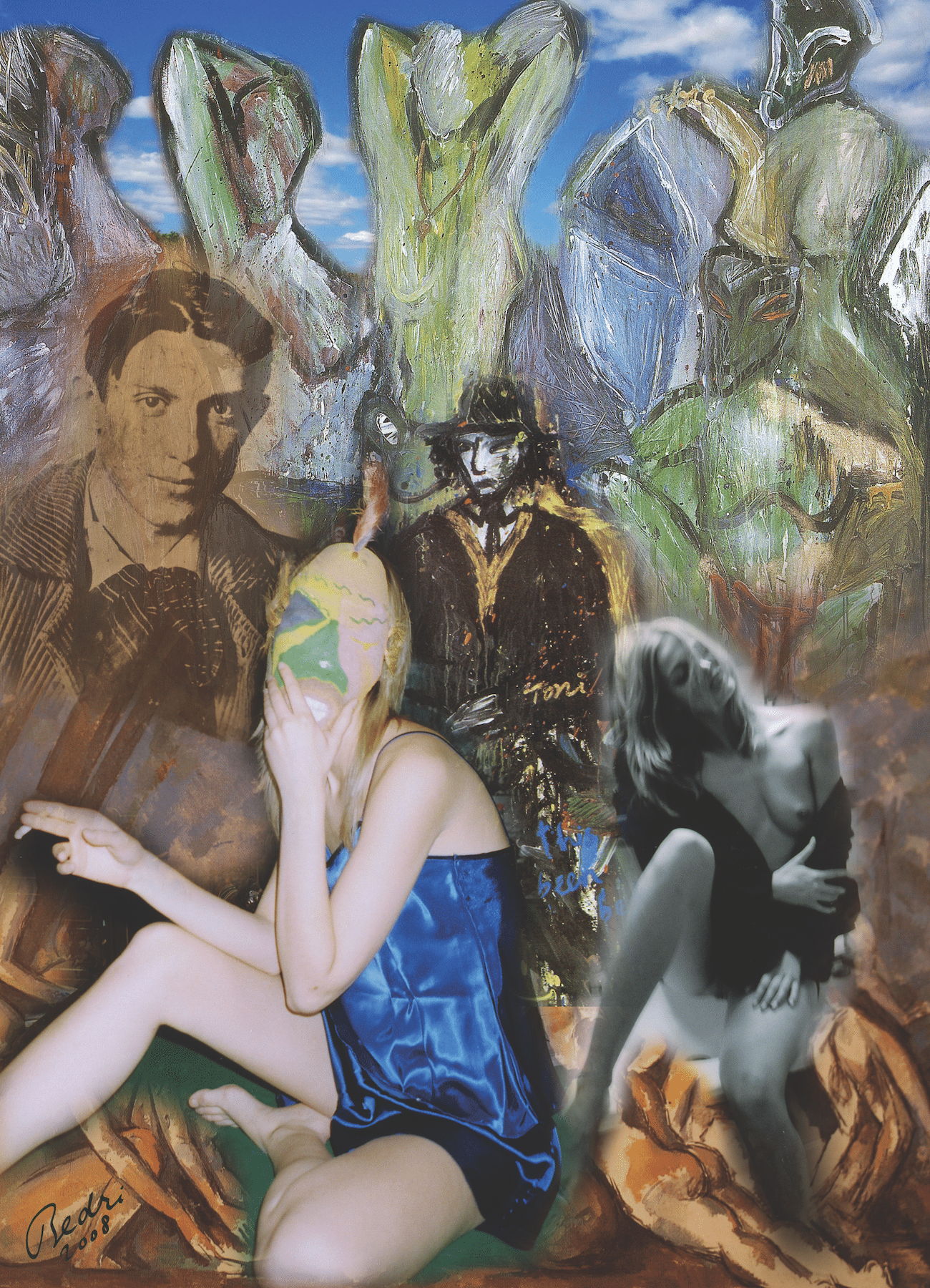
Picasso’s Demoiselles D’Avignon (1907) has been one of the old time inspiration sources for Bedri Baykam since 1980 and he has done several referential works commenting to the Spaniard painters masterpiece. Also, Baykam’s 1987 photo-colage I Wish I had a Harem whose original is in the collection of İstanbul Modern, often gets “married” to the Demoiselles as the two theme perfectly match. In this 4D lenticular piece, young Picasso from the days in which he painted the Demoiselles stands near Baykam sitting in his “Harem”. The Avignon ladies are in the background of the work whereas the front is occupied one more time with Baykam’s North European models, Linnea (Sweden) and Suzanna (Czech). Baykam’s 4D lenticular references of Demoiselles d’Avignon had also been shown in Picasso Museum in Barcelone in 2014 in an exhibition bringing together some of the most important international contemporary artists.
- 71" x 47.24" in (180 x 120 cm) Edition of 3 + AP
We ship worldwide and use a multitude of providers to safely deliver your artwork. Domestic delivery and installation may also be available via Hilton Contemporary’s private art shuttle. Please inquire.
Message in the Bottle
2008
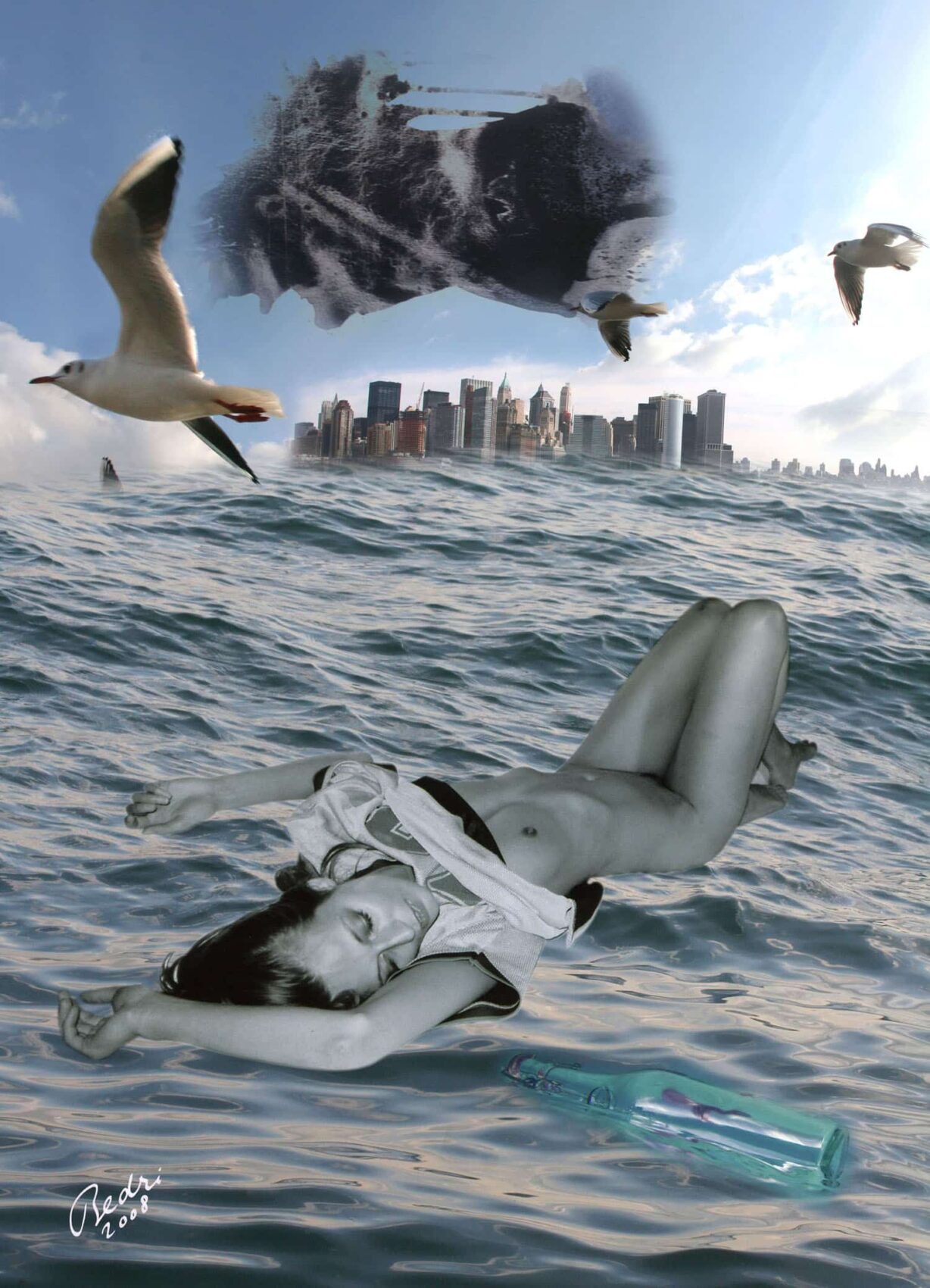
Baykam works with several nude models for his paintings as well as his photography. This is one of his Czech models from Prague Suzanna, This piece is one of the pioneer for these, that comes as a simple, surrealistic landscapes with the seagulls flying over a lady getting a sun tan, while laying gracefully on the ocean. The Message in The Bottle, approaches her but we don’t know what life will bring. Seagulls are watching over her, as the cloud is taken from one of Baykam’s abstract paintings as a reminiscence of his continuous interest in multimedia. The island far away is a parody of New York, Manhattan. One of the main centers of attention where Baykam showed continuously as a young struggling artist in the early 80s.
-
71" x 47.24" in (180 x 120 cm) Edition of 3 + AP
We ship worldwide and use a multitude of providers to safely deliver your artwork. Domestic delivery and installation may also be available via Hilton Contemporary’s private art shuttle. Please inquire.
BEDRİ BAYKAM
Nothing found.
BEDRİ BAYKAM
Ankara-Turkey, 1957
Bedri Baykam is one of Turkey’s internationally most well-known artists and intellectuals. The son of politician Dr. Suphi Baykam and engineer-architect Mutahhar Baykam has had international exhibitions since the age of six until today in Bern, Geneva, New York, Washington, Paris, London, Rome, Munich, Frankfurt, Stockholm, San Francisco, Monaco, Cannes, Berlin, Los Angeles to name a few.
He studied at the Sorbonne University in Paris from 1975 to 1980 and got MBA degree. During this time, he also studied drama in L’Actorat, Paris. He lived in California during the years 1980-1987, studied painting and filmmaking at the California College of Arts and Crafts (CCAC, now CCA) in Oakland. He has had several shows in New York, California and Paris. He returned to Turkey in 1987 and has been living in İstanbul since.
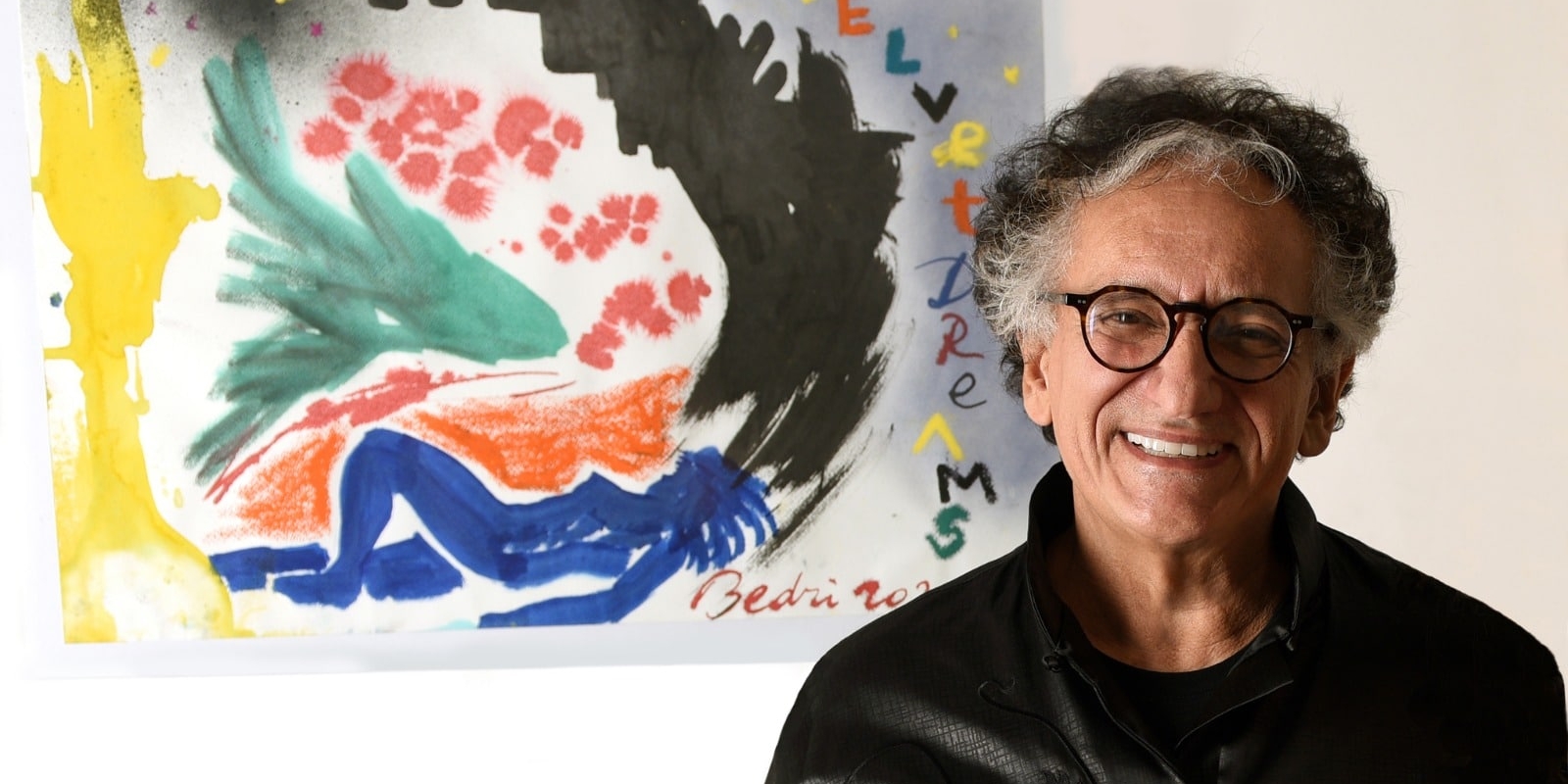
He has had 142 one-man-shows in various countries in addition to participating to numerous group shows. His works have been shown in museums and institutes such as Berlin Akademie der Künste, Barcelona Picasso Museum, Paris Roland-Garros Museum, Pinacothèque de Paris, Stedelijk Schiedam Museum in Holland, Museum der Moderne Salzburg, Osthaus Museum Hagen, Künstlerhaus Bethanien Berlin, Bahrain National Museum, Kunstverein für die Rheinlande und Westfalen, National Academy of Arts of Ukraine and in Biennales such as Cairo, Venice, İstanbul and Buenos Aires; he also showed his works at galleries world-wide, such as Daniel Templon (Paris), Stephen Wirtz (San Francisco), Yahşi Baraz (İstanbul), The Proposition (New York), Gallery Siyah Beyaz (Ankara), E.M. Donahue (New York), Galerie Kuchling (Berlin), Lavignes-Bastille (Paris), Galerie Pages (Geneva), Opera Gallery (London), Gloria Delson Contemporary Arts (Los Angeles) among others.
Baykam is one of the pioneers of New-Expressionism in the early 80s and of multi-media, political art. He has directed several 16 mm films and videos and has acted in several parts in feature films. He is the author of 31 published books, two feature film scripts and there are 51 catalogs and 8 books about his works. Baykam also became one of the graffiti artists who changed the face of New York in the 80s. Bringing the large-scale works, politics and eroticism that he has standardized since the 80s to our contemporary art scene, the artist has started to produce “4D” four-dimensional works that have attracted great attention all over the world, as an extension of his transparent layers series with digital imagery and all sorts of transparencies about which he has been working on for the last five years.
He is the co-founder and actual President of Uluslararası Plastik Sanatlar Derneği (UPSD-Turkish Plastic Arts Association) which is a member of International Association of Art (IAA) –official partner of UNESCO. Baykam was also elected as the World President of the International Association of Art at 18th General Assembly in Plzen in 2015, with his term lasting till February 2023. In 2011, Baykam’s proposal for starting a World Art Day at the birthday of Leonardo da Vinci, during the 17th General Assembly of IAA World in Guadalajara/Mexico, was accepted unanimously by the participant countries. Since then, every year a growing number of artists associations in several countries are celebrating “World Art Day”, with several art forms harmoniously blending together. In 2019, UNESCO accepted the proposal brought by Baykam as World President of IAA and World Art Day became one of the International UNESCO Days.
Also, Baykam has been a columnist for several Turkish publications such as Tempo, Siyah-Beyaz, Aydınlık, Akşam and OdaTv among others. He has been writing in Cumhuriyet daily in İstanbul for long years. He is one of the central characters of the artistic and political milieu in Turkey. He was a Party Assembly Member of CHP, the Turkish social democrats, in the second half of the 90s and a Presidential candidate for the same Party in 2003.
The artist is the founder of Piramid Publishing (1998) and Piramid Sanat (2006-art center) in Taksim Square in Istanbul, one of the most active and independent spots in Turkish contemporary art. He has also curated several group exhibitions. Baykam is married to Sibel Baykam and they have a son named Suphi Baykam (Born 1999).