

Osama Esber
Nothing found.
Mixed Media
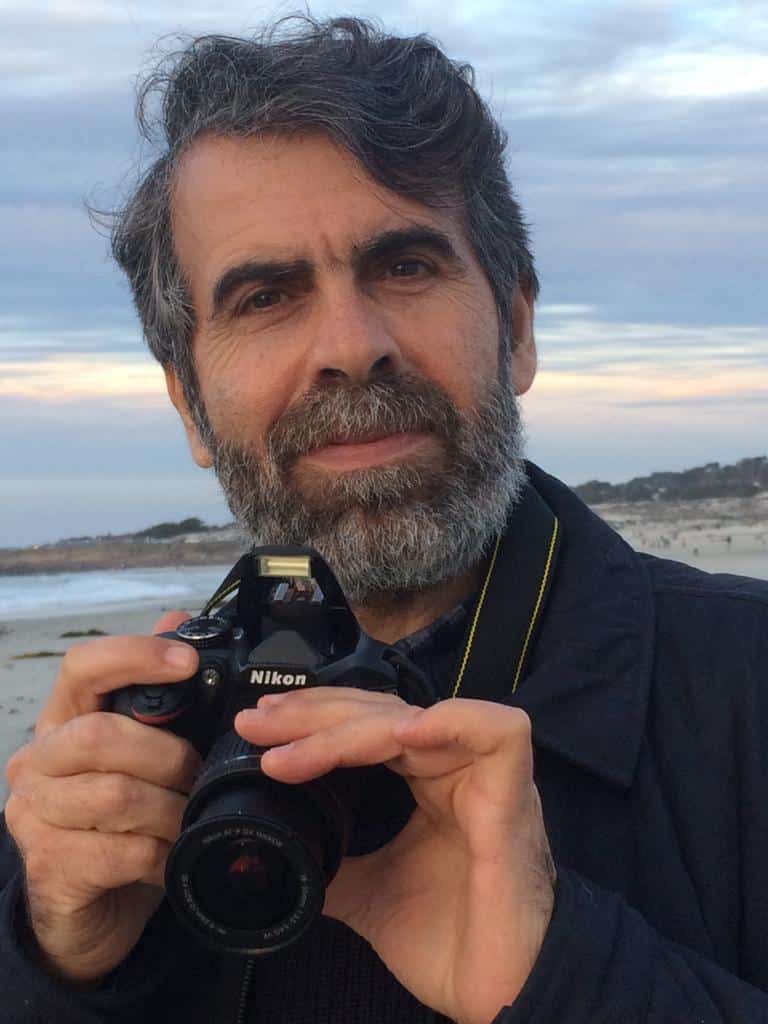
Osama Esber, born in Syria in 1963, is a widely published author of poetry and short stories, as well as a major translator of English writings into Arabic. He currently lives in the United States, where he arrived initially in 2012 as a visiting scholar at the University of Chicago. He is also an editor for the Arab Studies Institute’s Tadween Publishing House and a host of Status Audio Magazine and co-editor in the Arab section of Jadaliyya magazine.
He has published 7 poetry collections, which include:
- Screens of history (1994)
- The Accord of waves (1995)
- Where He Does not Live (2000)
- Repeated Sunrise in Exile (2004)
- On My Seaside Paths (2020)
- On the Bank of the River of Things (2021)
- And My Body Told Me (2022).
Osama Esber is also an essayist and short story writer. His published short story collections are entitled The Autobiography of Diamonds (1996); A Café for Committing Suicide (2000).
He was also a writer in residence at the International Writing Program at Iowa University in 1994 and was a guest at a number of international symposiums and events.
Moving to the States
I moved to the United States in 2012, leaving a country (Syria) torn by war. I moved first inside the country to avoid bombing and violence and then traveled with my family to Spain where I was invited to the University of Chicago as a scholar in residence.
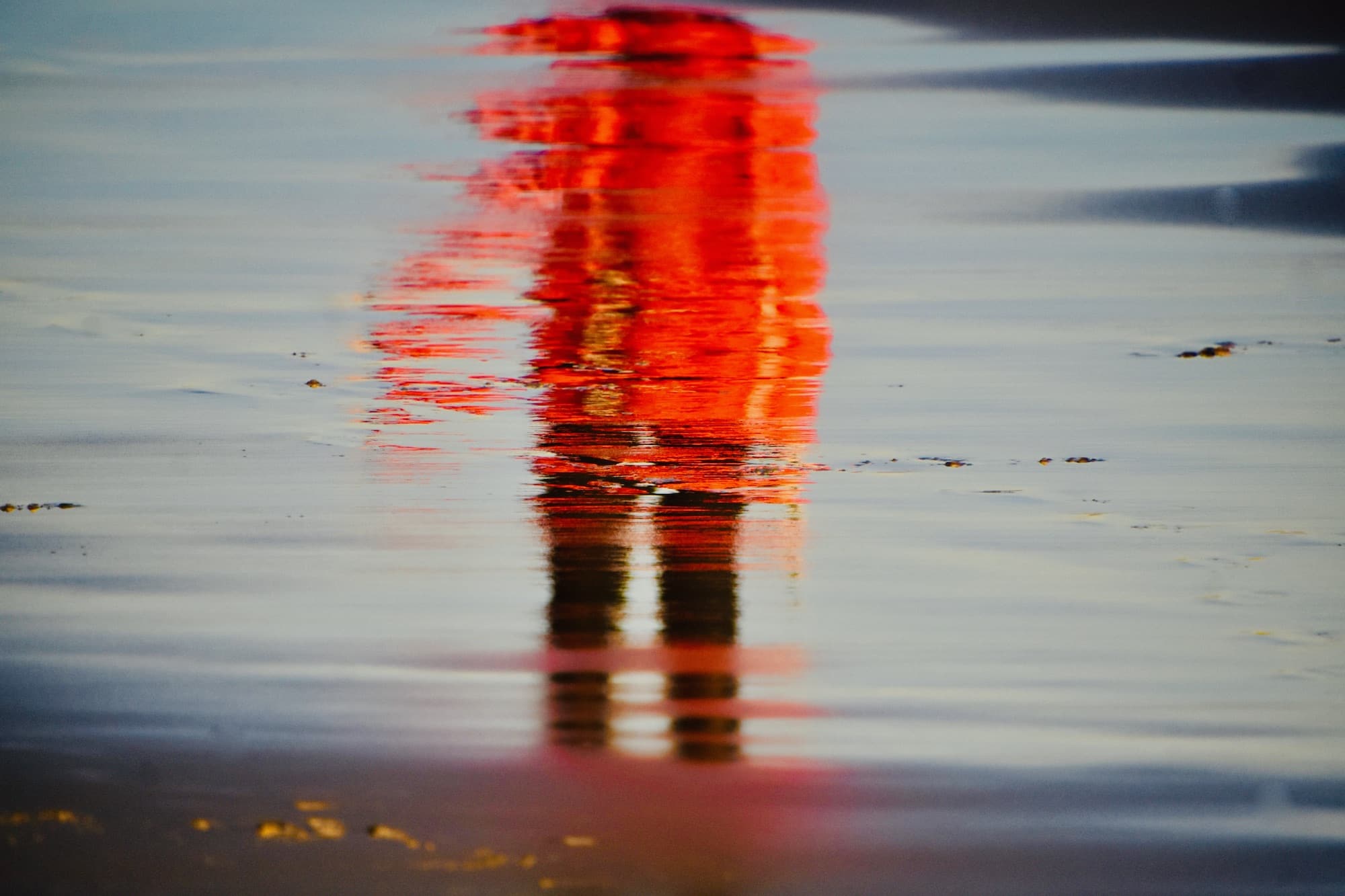
Photography was a savior for me as a poet. It liberated me from the influence of a long literary tradition and the dominating language of powerful Arab poets through escaping from the memory of language to the open possibilities of visual reality. Chasing and following the running away photograph opened my eyes to nature, to details and the daily objects that we usually take for granted and forget when we write. I started to look at what I ignored in my early writing and write about stones, trunks of trees, shells, fallen feathers, and the cast away seaweeds and roaring waves which I first catch by camera and then I explore their endless suggestive layers in the poetic realm connecting them to culture and the daily life within the culture that defines us.
Sometimes a poem comes to my head while I am taking photographs. I record it by my voice and work on it later. The poem here is the product of the image, where words and photos overlap and work together to create a world of their own that lives in a poem.
I imagine myself as a photographer with his camera around his neck, walking on the beach, in the mountains or forests searching for an escaping image to capture. This is the process of searching for the lost photograph, the one that I dream to capture daily, the one that I call the photo of photos, as I call the poem I search for the poem of poems. Both are born out of the magical relationship between the eyes and the objects on the canvas of their changing existence in shadow and light through a sufi relationship.
The image inspired me to search for the poem, which I weave word by word, image by image, metaphor by metaphor to make the magical carpet that flies the reader to unknown spaces.
Nothing found.
Nothing found.
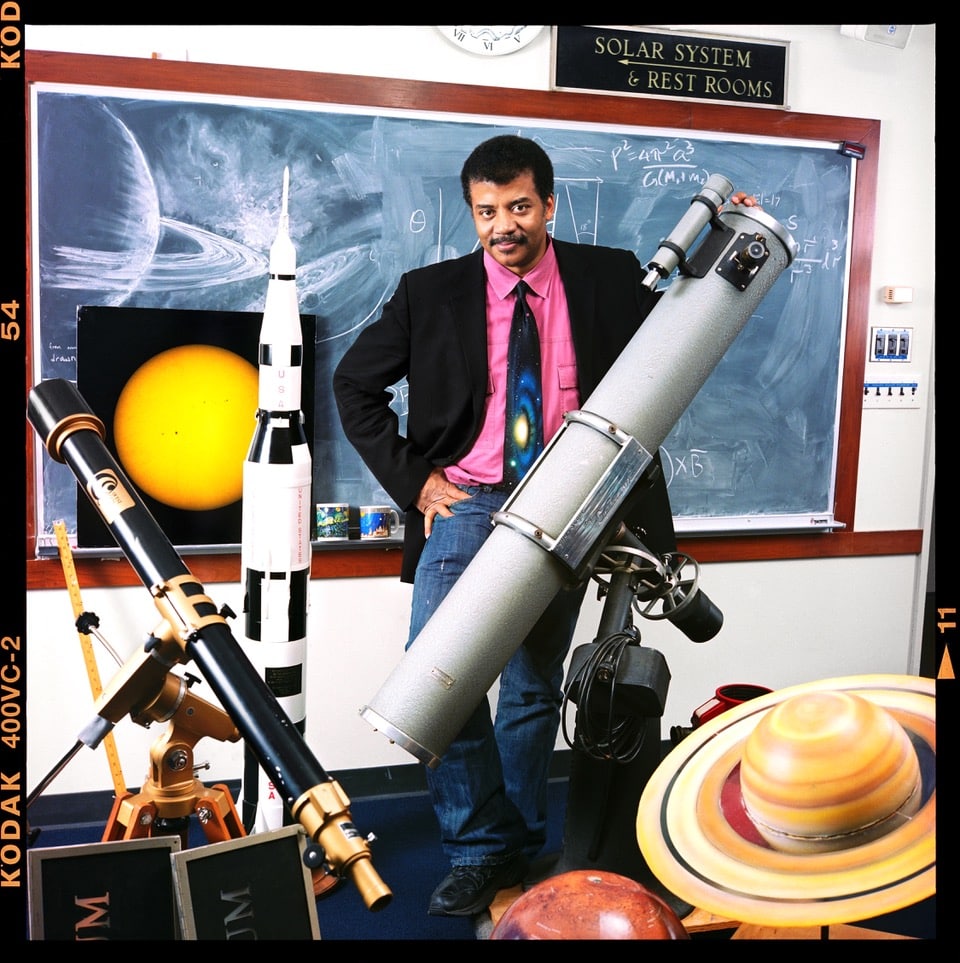
Neil Degrasse Tyson

New York City, 2008
Taken in his office at the American Museum of Natural History in New York, famed astrophysicist Neil deGrasse Tyson also used this image as the book jacket for “The Pluto Files”. Additionally, you can find this image in the permanent collection of the National Portrait Gallery at the Smithsonian in DC.
Available size options with and without framing are below;
- Paper 24" x 24" - Edition size: 10
- Paper 30" x 30" - Edition size: 6
- Metal 30" x 30" - Edition size: 6
We ship worldwide and use a multitude of providers to safely deliver your masterpiece. Domestic delivery and installation may also be available via Hilton Asmus Contemporary’s private art shuttle. Please inquire.
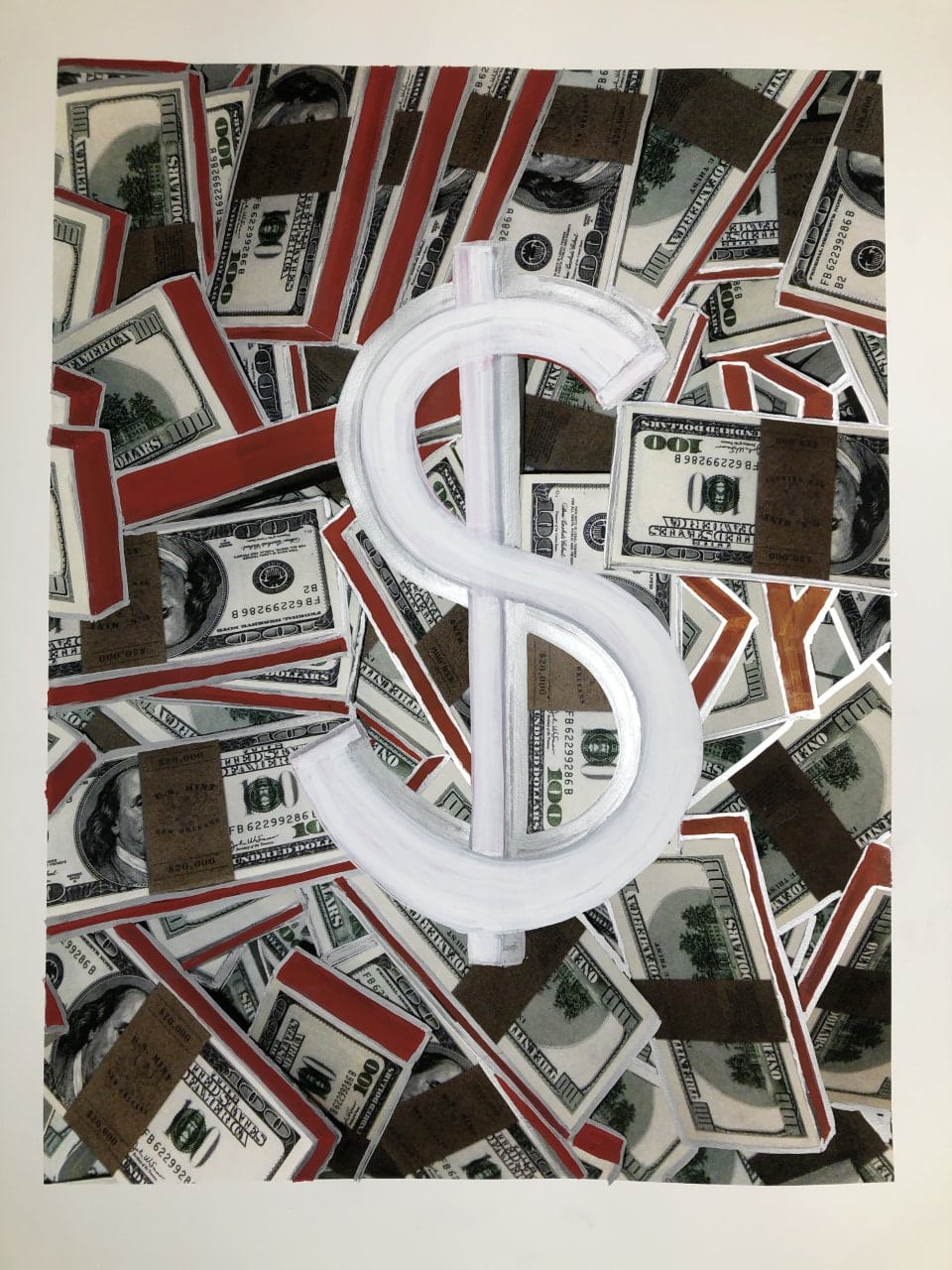
The dollar sign and money
Archival and Acrylic Paint on Paper, 2018.
Unique painting
Available size options with and without framing are below;
- 30" x 40"
We ship worldwide and use a multitude of providers to safely deliver your artwork. Domestic delivery and installation may also be available via Hilton Contemporary’s private art shuttle. Please inquire.
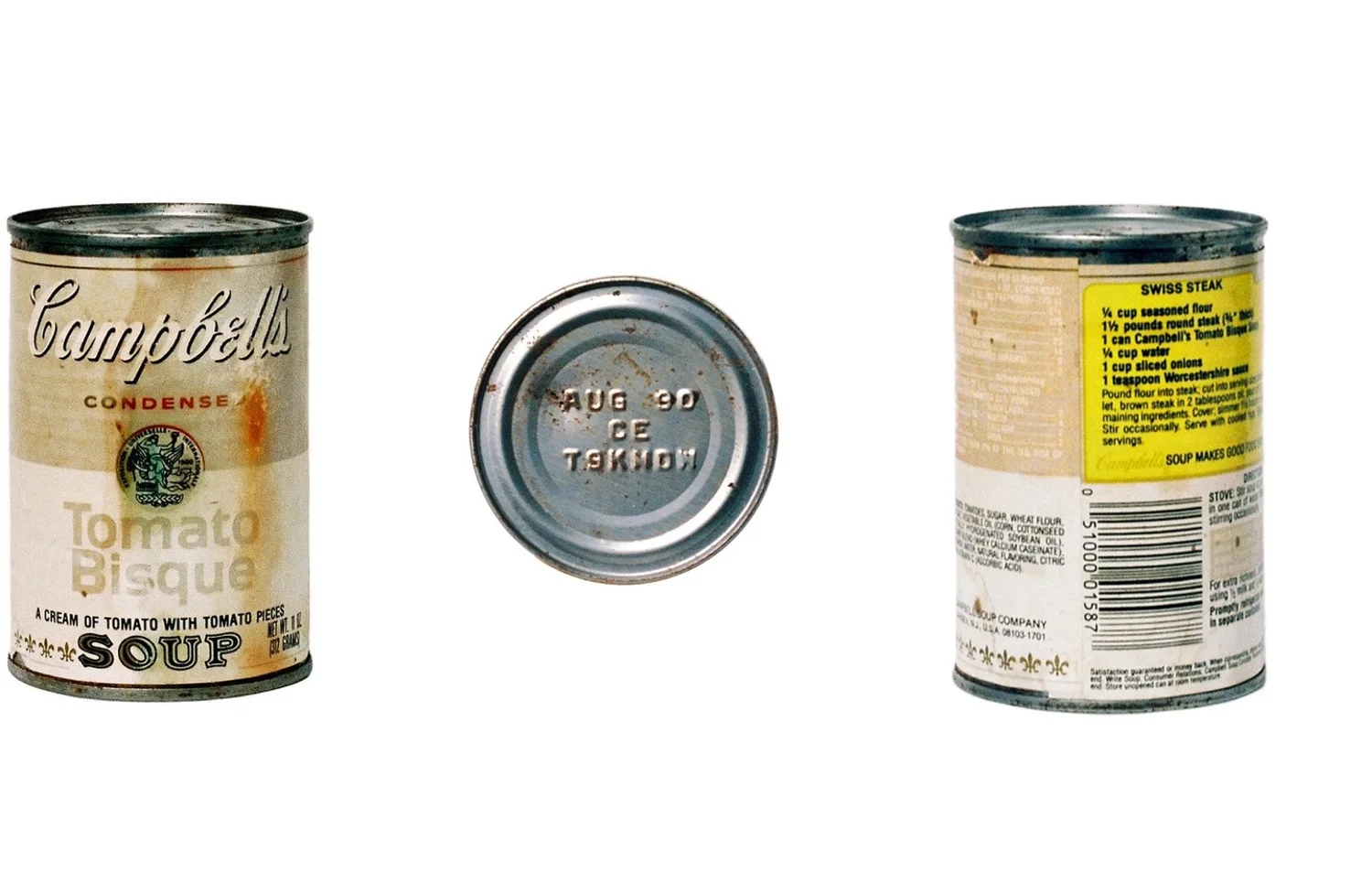
30yrs The Death of Art inside a Can
Triptych
East 66th St NYC 1987
Pictured: Campbell’s Soup Can found in Andy Warhol’s Kitchen
Warhol’s kitchen is one of the most iconic images taken by Gamble as part of this extraordinary series. The kitchen is a place where fragments tell the story of an artist whose inspiration truly came from the simplest, and yet so very important, objects of popular culture. Situated in the lower ground floor of his NYC home, the kitchen was where Andy ate every meal—a cosy and simple environment yet filled with the artist’s distinctive taste that made his artwork so vibrant and original. From the Fiesta dishware to the omnipresent Campbell Soup Can, the kitchen is a visual catalog of the colors, shapes, and rhythmic repetition that defined the artist’s body of work.
It is during this photoshoot that Gamble found the Can of Campbell Tomato Bisque stuck between the kitchen cupboard and the wall. It might have been accidentally knocked over by a cleaner who ignored the rolling sound and the muted thud that could have destined the tin for the garbage can. All food had been already removed from the cabinets in view of the property sale. It was after Gamble had left the house that his assistant gave the can to him. He had taken it in the knowledge that it would have been soon thrown out too and that it somehow felt like a special object in the context of Warhol’s life.
This very Campbell Soup can has been in Gamble’s possession ever since. As a consumable everyday object bearing an “August 1990” expiry date, the can has become the ultimate Warhol memento mori. Its ability to preserve food from decay has been extended further by the fetishization surrounding Warhol’s iconic persona, thus becoming a true pop-relic. Aware of its special aura, and its internal decay of the food inside. Gamble first photographed the can in 1997, ten years after Warhol’s death, and more recently, in 2017 to mark the 30th anniversary and it’s further visual demise.
Gamble’s images document the slow decaying of the object as its label fades and rust stains the naked metal parts. Day by day, this can becomes a ruin—a reminder that, despite all our efforts, eventually, everything erodes and disappears.
Available size options with and without framing are below;
- Aluminum - 20" x 24" - Edition size: 10
We ship worldwide and use a multitude of providers to safely deliver your artwork. Domestic delivery and installation may also be available via Hilton Contemporary’s private art shuttle. Please inquire.
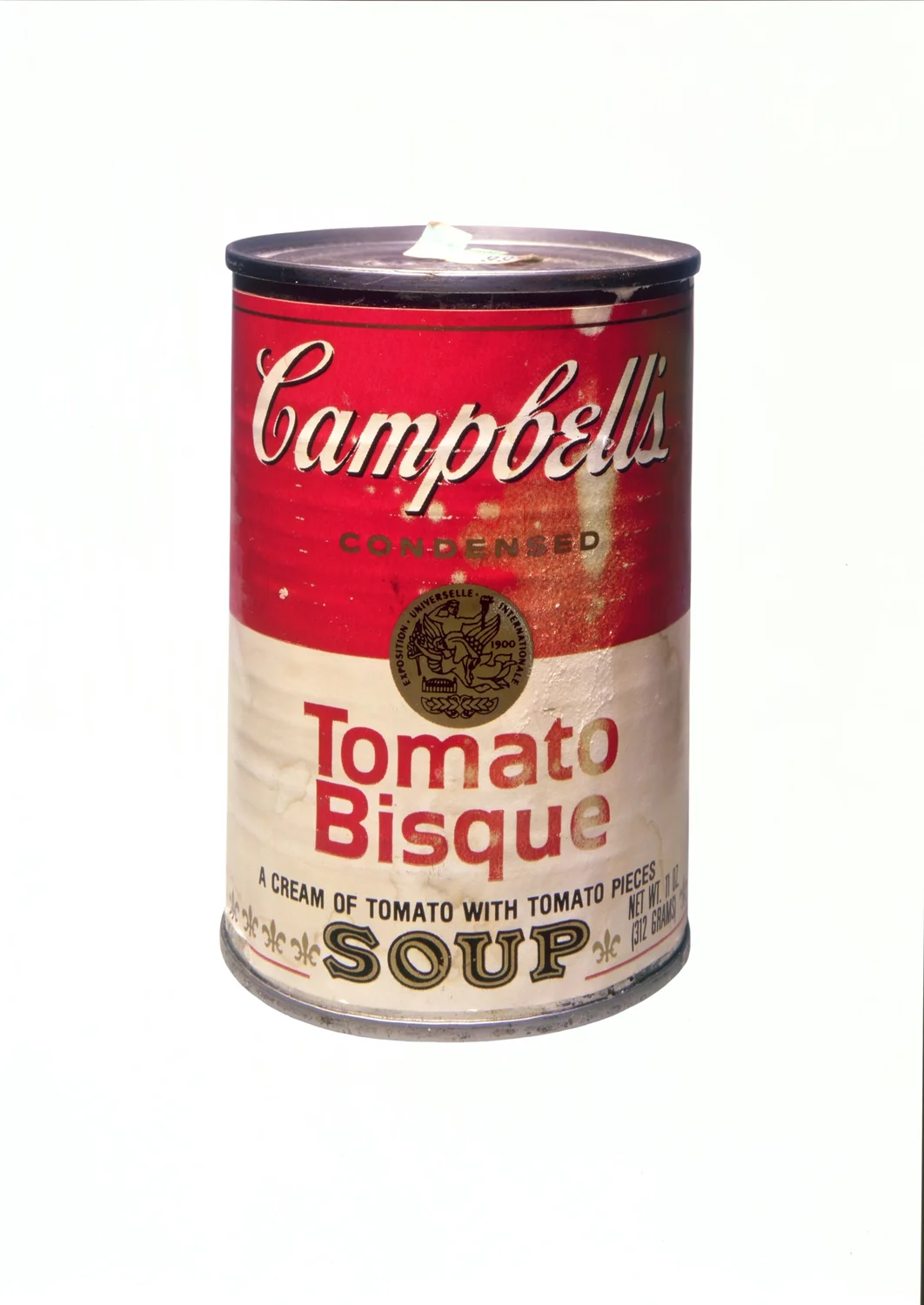
10yrs Corruption of Art inside a Can, 1997
East 66th St NYC 1987
Pictured: Campbell’s Soup Can found in Andy Warhol’s Kitchen
Warhol’s kitchen is one of the most iconic images taken by Gamble as part of this extraordinary series. The kitchen is a place where fragments tell the story of an artist whose inspiration truly came from the simplest, and yet so very important, objects of popular culture. Situated in the lower ground floor of his NYC home, the kitchen was where Andy ate every meal—a cosy and simple environment yet filled with the artist’s distinctive taste that made his artwork so vibrant and original. From the Fiesta dishware to the omnipresent Campbell Soup Can, the kitchen is a visual catalog of the colors, shapes, and rhythmic repetition that defined the artist’s body of work.
It is during this photoshoot that Gamble found the Can of Campbell Tomato Bisque stuck between the kitchen cupboard and the wall. It might have been accidentally knocked over by a cleaner who ignored the rolling sound and the muted thud that could have destined the tin for the garbage can. All food had been already removed from the cabinets in view of the property sale. It was after Gamble had left the house that his assistant gave the can to him. He had taken it in the knowledge that it would have been soon thrown out too and that it somehow felt like a special object in the context of Warhol’s life.
This very Campbell Soup can has been in Gamble’s possession ever since. As a consumable everyday object bearing an “August 1990” expiry date, the can has become the ultimate Warhol memento mori. Its ability to preserve food from decay has been extended further by the fetishization surrounding Warhol’s iconic persona, thus becoming a true pop-relic. Aware of its special aura, and its internal decay of the food inside. Gamble first photographed the can in 1997, ten years after Warhol’s death, and more recently, in 2017 to mark the 30th anniversary and it’s further visual demise.
Gamble’s images document the slow decaying of the object as its label fades and rust stains the naked metal parts. Day by day, this can becomes a ruin—a reminder that, despite all our efforts, eventually, everything erodes and disappears.
Available size options with and without framing are below;
- Paper - 27" x 33" - Edition size: 10
- Aluminum - 20" x 24" - Edition size: 10
- Aluminum - 40" x 50" - Edition size: 6
We ship worldwide and use a multitude of providers to safely deliver your artwork. Domestic delivery and installation may also be available via Hilton Contemporary’s private art shuttle. Please inquire.
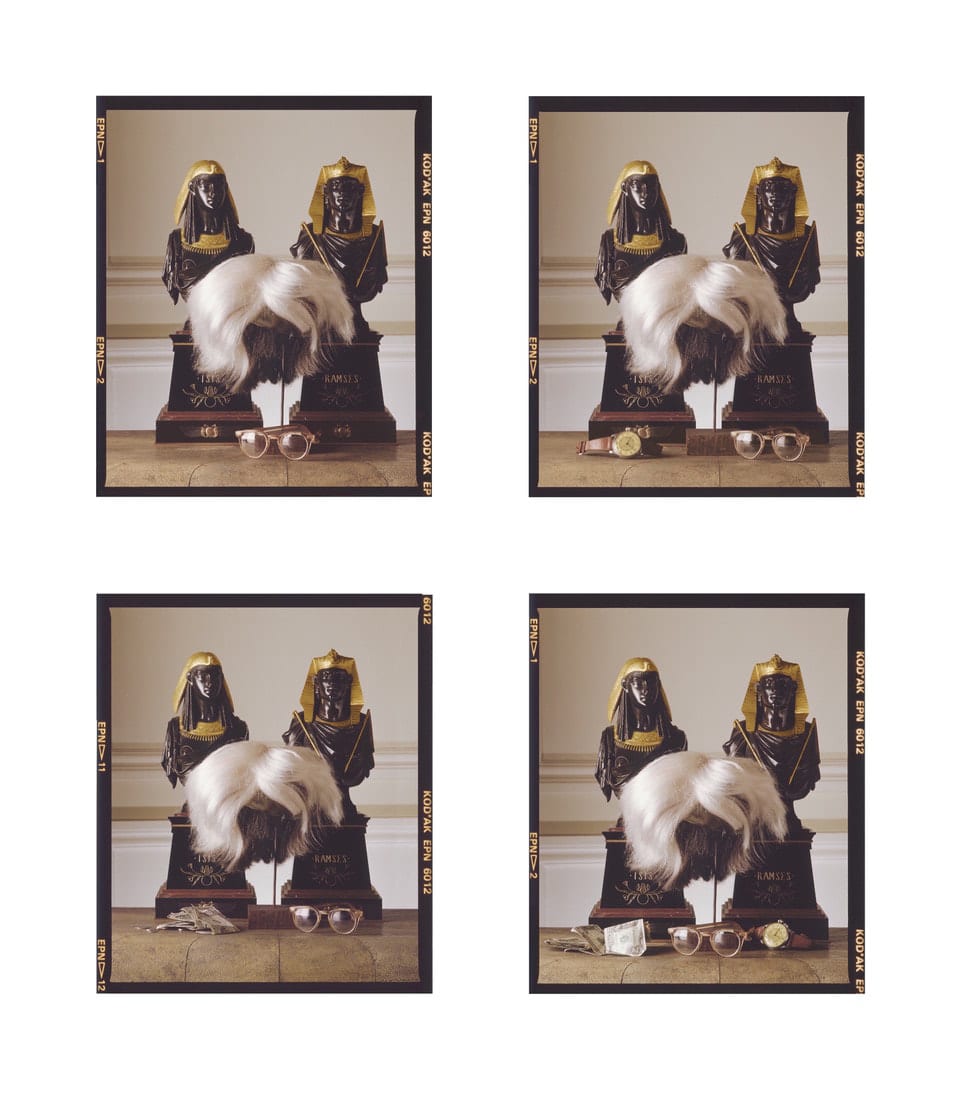
Andy Warhol's Wig
East 66th St NYC 1987
Pictured: Andy Warhol’s Wig, Glasses, and Watch photographed in his New York City apartment.
Soon after Warhol’s death photographer David Gamble was permitted access to Warhol’s East 66th street House, Factory and Warehouse. There, he captured the placement of Warhol’s belongings as the artist had lived with them over the years. Rather than simply documenting the space, Gamble’s careful still-lifes capture the humanity and fierce individuality of the artist.
The wig series consists of four images representing Warhol’s beliefs in Life and Death. The two statuettes of Rameses and Isis, the god’s of external existence and the god of money, and the watch representing material possession and Time. Each image is slightly different in content.
Available size options with and without framing are below;
- Paper 24" x 20" - Edition size: 10
- Aluminum - 24" x 20" - Edition size: 10
- Aluminum - 48" x 40" - Edition size: 5
We ship worldwide and use a multitude of providers to safely deliver your artwork. Domestic delivery and installation may also be available via Hilton Contemporary’s private art shuttle. Please inquire.
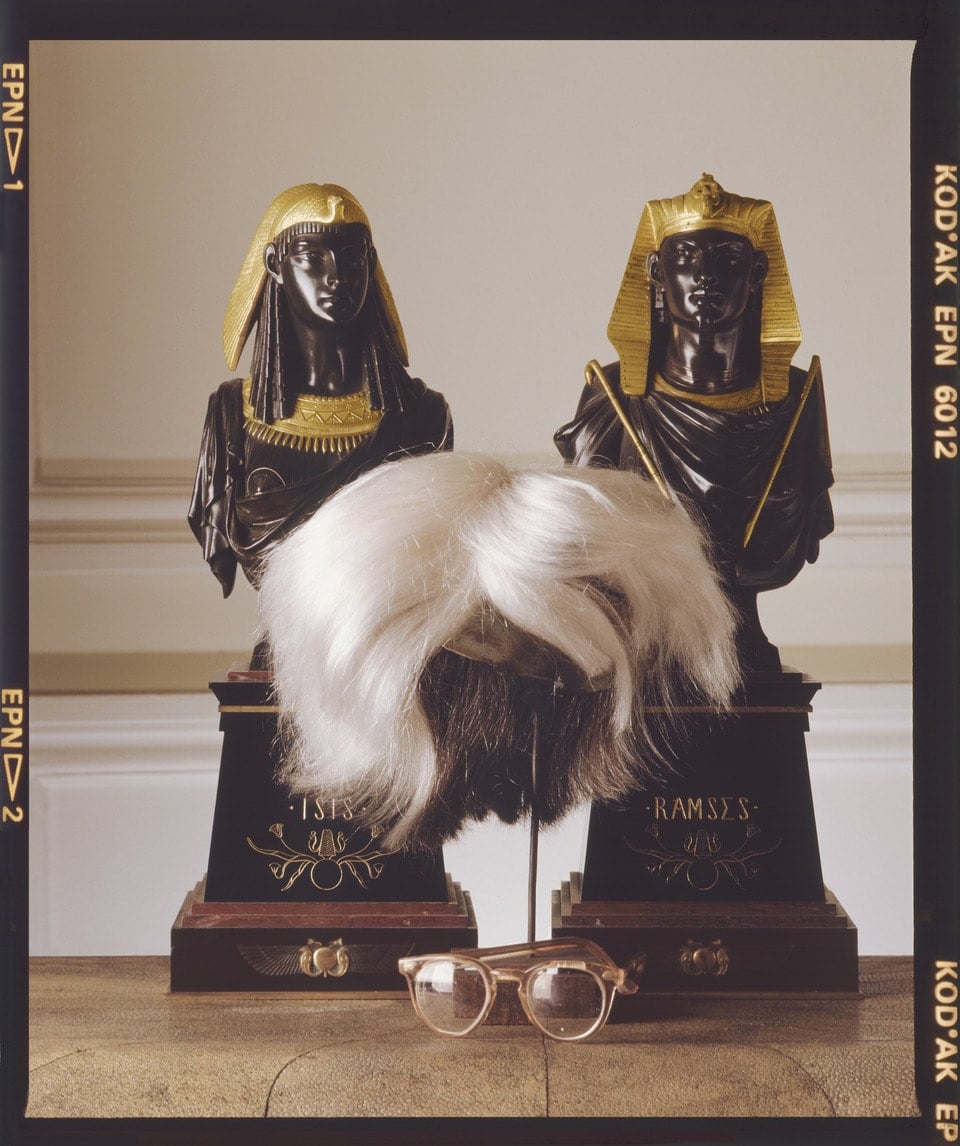
Andy Warhol's Wig and Glasses
East 66th St NYC 1987
Pictured: Andy Warhol’s Wig and Glasses photographed in his New York City apartment.
Soon after Warhol’s death photographer David Gamble was permitted access to Warhol’s East 66th street House, Factory and Warehouse. There, he captured the placement of Warhol’s belongings as the artist had lived with them over the years. Rather than simply documenting the space, Gamble’s careful still-lifes capture the humanity and fierce individuality of the artist.
The wig series consists of four images representing Warhol’s beliefs in Life and Death. The two statuettes of Rameses and Isis, the god’s of external existence and the god of money, and the watch representing material possession and Time. Each image is slightly different in content.
Available size options with and without framing are below;
- Paper 24" x 20" - Edition size: 10
- Aluminum - 24" x 20" - Edition size: 10
- Aluminum - 48" x 40" - Edition size: 5
We ship worldwide and use a multitude of providers to safely deliver your artwork. Domestic delivery and installation may also be available via Hilton Contemporary’s private art shuttle. Please inquire.
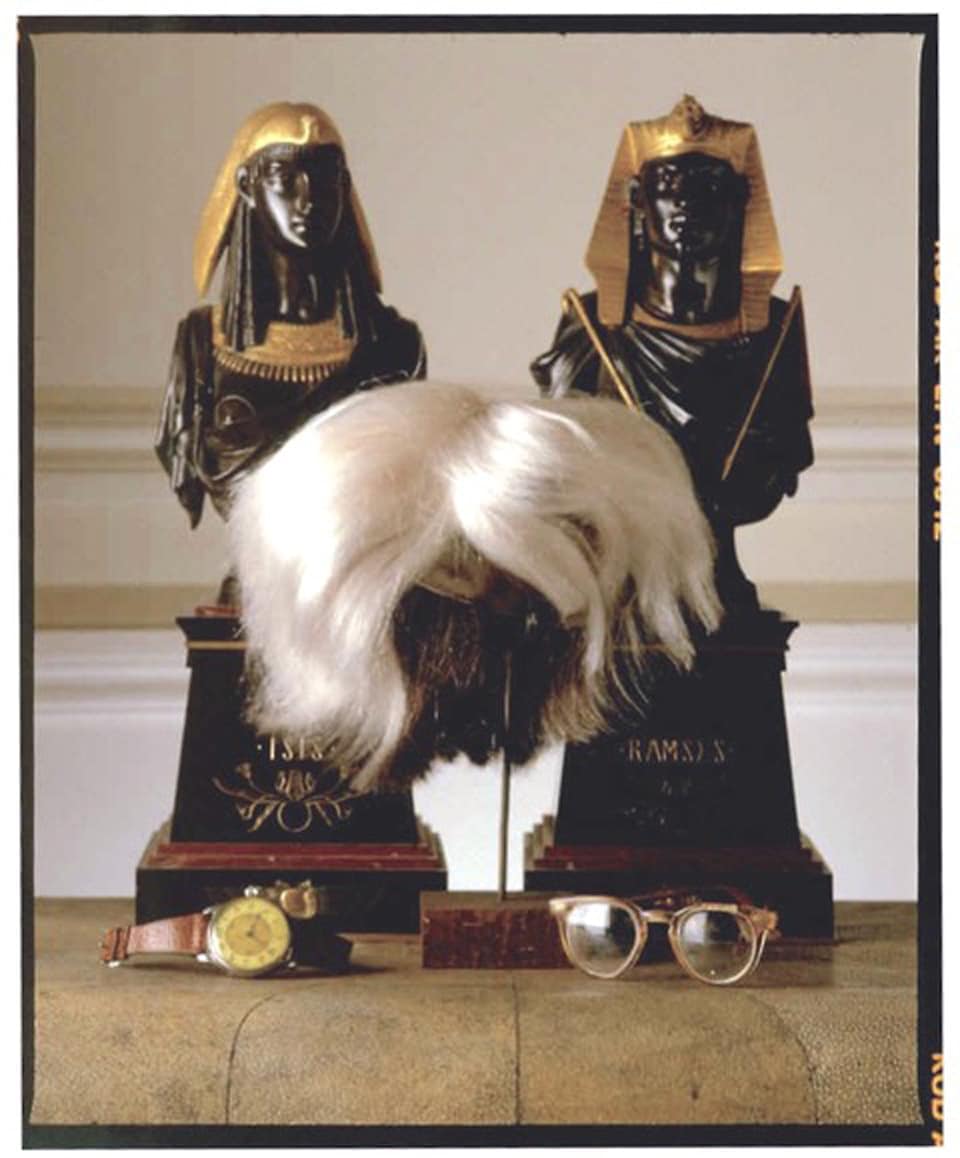
Andy Warhol's Wig, Glasses, and Watch
East 66th St NYC 1987
Pictured: Andy Warhol’s Wig, Glasses, and Watch photographed in his New York City apartment.
Soon after Warhol’s death photographer David Gamble was permitted access to Warhol’s East 66th street House, Factory and Warehouse. There, he captured the placement of Warhol’s belongings as the artist had lived with them over the years. Rather than simply documenting the space, Gamble’s careful still-lifes capture the humanity and fierce individuality of the artist.
The wig series consists of four images representing Warhol’s beliefs in Life and Death. The two statuettes of Rameses and Isis, the god’s of external existence and the god of money, and the watch representing material possession and Time. Each image is slightly different in content.
Available size options with and without framing are below;
- Paper 24" x 20" - Edition size: 10
- Aluminum - 24" x 20" - Edition size: 10
- Aluminum - 48" x 40" - Edition size: 5
We ship worldwide and use a multitude of providers to safely deliver your artwork. Domestic delivery and installation may also be available via Hilton Contemporary’s private art shuttle. Please inquire.